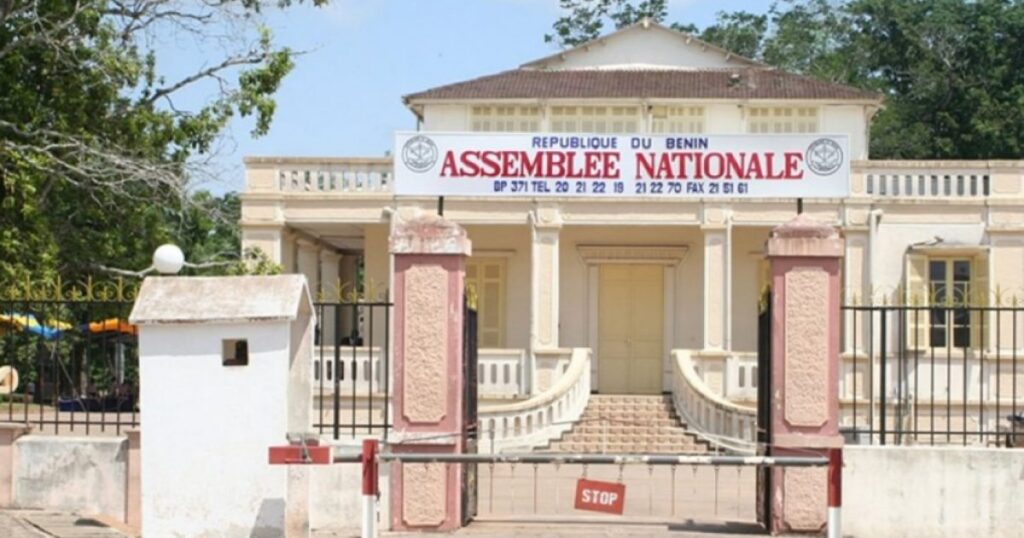
The financial strategy for the Beninese state over the next three years has been outlined in the 2027–2029 Multi-Year Budget and Economic Programming Document, which was presented to members of parliament during a budgetary orientation debate. This foundational framework details the government’s plan to build upon recent economic achievements while simultaneously paving the way for a new era of structural transformation.
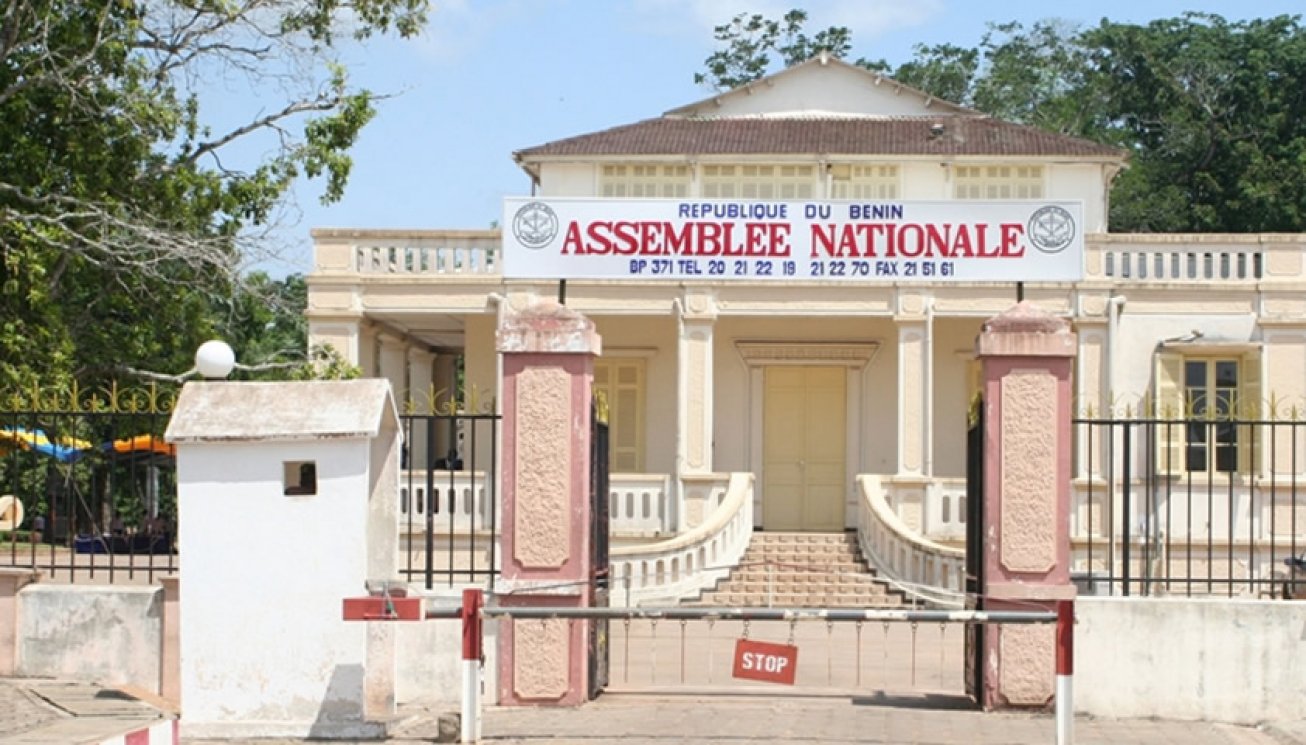
Meeting for a plenary session at the Palais des Gouverneurs in Porto-Novo, legislators scrutinized the primary proposals that will shape the general state budget for the 2027 fiscal year. This session carries special weight, as it marks the inaugural debate of its kind within the new political term led by the administration of President Romuald Wadagni.
Gérard Gbénonchi, president of the National Assembly’s Finance and Exchange Commission, emphasized that this debate is a crucial step in the budgetary process. It provides a vital opportunity to assess the outcomes of recent years and to verify the soundness of medium-term projections, especially given the ongoing instability in the regional and international landscape.
The macroeconomic data presented reveals the remarkable resilience of Benin’s economy. From 2023 to 2026, the nation successfully sustained a robust growth momentum, navigating through global geopolitical tensions, disruptions in the energy sector, and persistent security challenges across West Africa.
A report provided to the deputies highlights a steady increase in the gross domestic product. The growth rate climbed from 6.4% in 2023 to 7.5% in 2024, with projections showing it will reach 8.1% in 2025—a rate not seen since the nation’s democratic renewal.
This strong economic performance is built on several key pillars. The agricultural sector remains a central driver, complemented by a resurgence of activity in industry, construction and public works, as well as commercial services and trade. Together, these sectors have fortified the national production base and enhanced macroeconomic stability.
Through the 2027–2029 programming, the government signals its commitment to a strategy that merges fiscal discipline with the continuation of reforms and structural investments. The ultimate goal is to firmly establish sustainable growth and ensure its social benefits are distributed more widely.

More Stories
Simporé’s televised admission: can Burkina Faso’s army still hold the line?
Gabon’s ghost worker purge: can 11 billion CFA francs in savings really reach the people?
Is Burkina Faso’s anti-terror drive becoming a war on moderate imams?