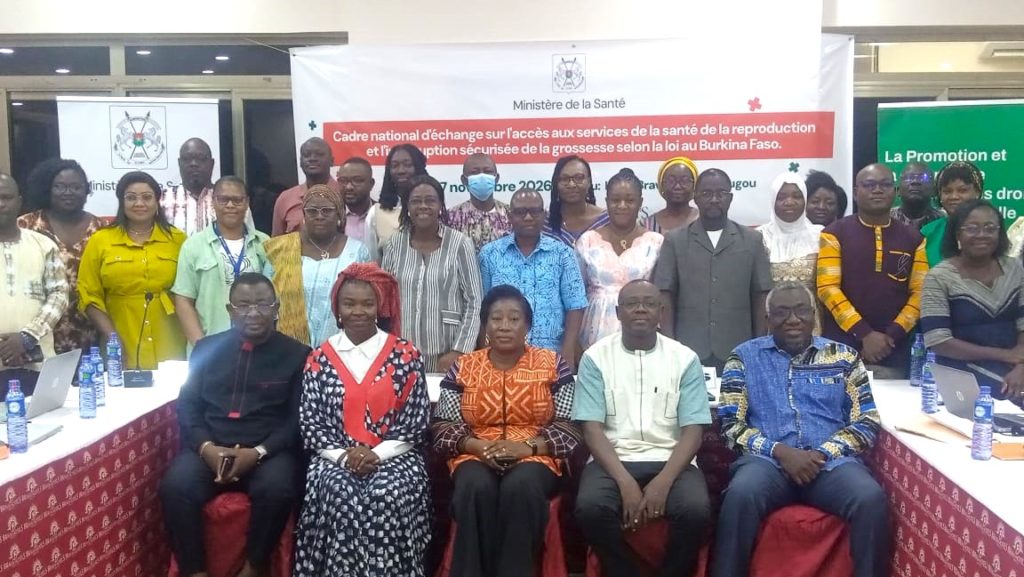
Ouagadougou faces a mounting public health crisis as maternal mortality rates remain stubbornly high, prompting government leaders to convene a landmark two-day national forum aimed at closing critical gaps in sexual and reproductive healthcare access.
The high-level gathering, organized by Burkina Faso’s Ministry of Health and supported by the Association Burkinabè pour le Bien-être Familial (ABBEF), brings together policymakers, healthcare professionals, legal experts, and civil society representatives to address systemic barriers that continue to endanger women and girls across the country.
The human cost of unmet needs
Every year, thousands of Burkinabè women suffer preventable health complications or lose their lives due to complications from pregnancy, unsafe abortions, and limited access to reproductive services. The maternal mortality ratio stands at 198 deaths per 100,000 live births—nearly three times the international target of less than 70 by 2030 set by global health authorities.
Hundreds more face unintended pregnancies or are forced to seek unsafe procedures when legal exceptions for abortion—such as life-endangering pregnancies, severe fetal anomalies, or cases of rape—are not properly understood or implemented within healthcare facilities.
Policy meets reality: where the system falls short
Despite government initiatives including free maternal care, pediatric services for children under five, and expanded family planning access, stubborn bottlenecks persist:
- Regional disparities: Rural women often travel over 50 kilometers to access basic reproductive health services, with some facilities lacking trained staff or critical medical supplies.
- Legal confusion: Many healthcare providers and patients remain unaware of the specific conditions under which safe abortion is permitted under national law, leading to underutilization of legal services.
- Stigma and silence: Cultural taboos surrounding sexual health discourage open discussion, preventing women from seeking timely care or accurate information.
A call for unified action
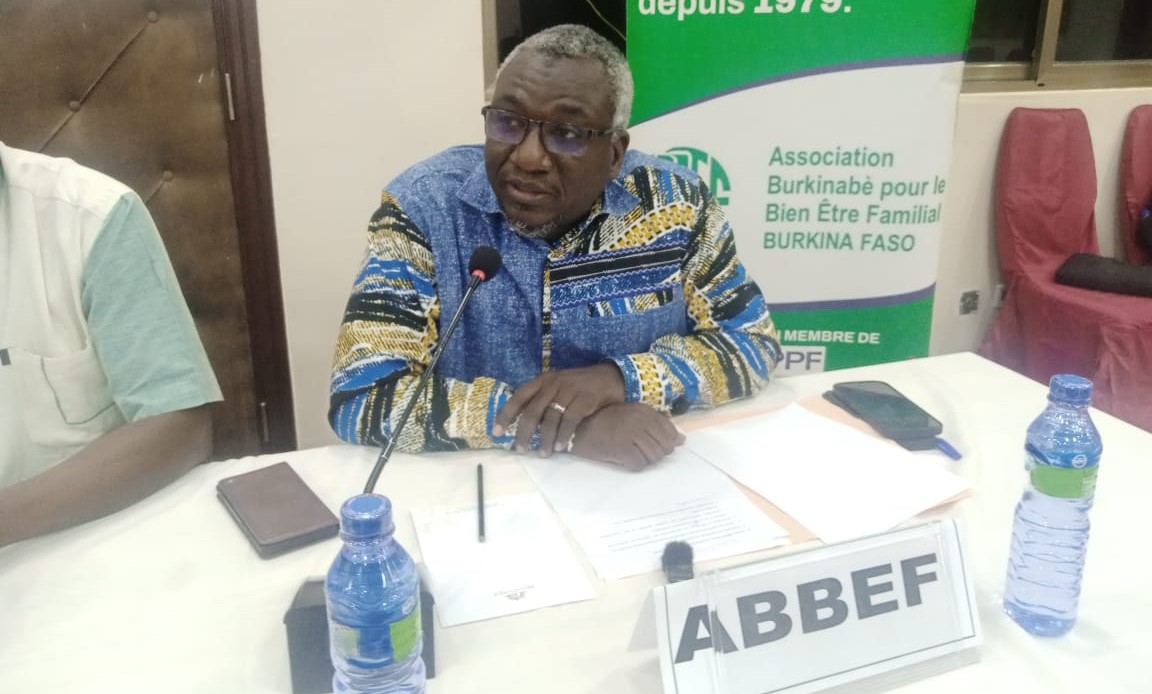
ABBEF Executive Director Kouanda Mohmed Hamdy emphasized the urgency of coordinated action: “This forum is not just about discussion—it’s about survival. We must translate policy into practice, ensuring no woman or girl is left behind due to geography, ignorance, or fear.“
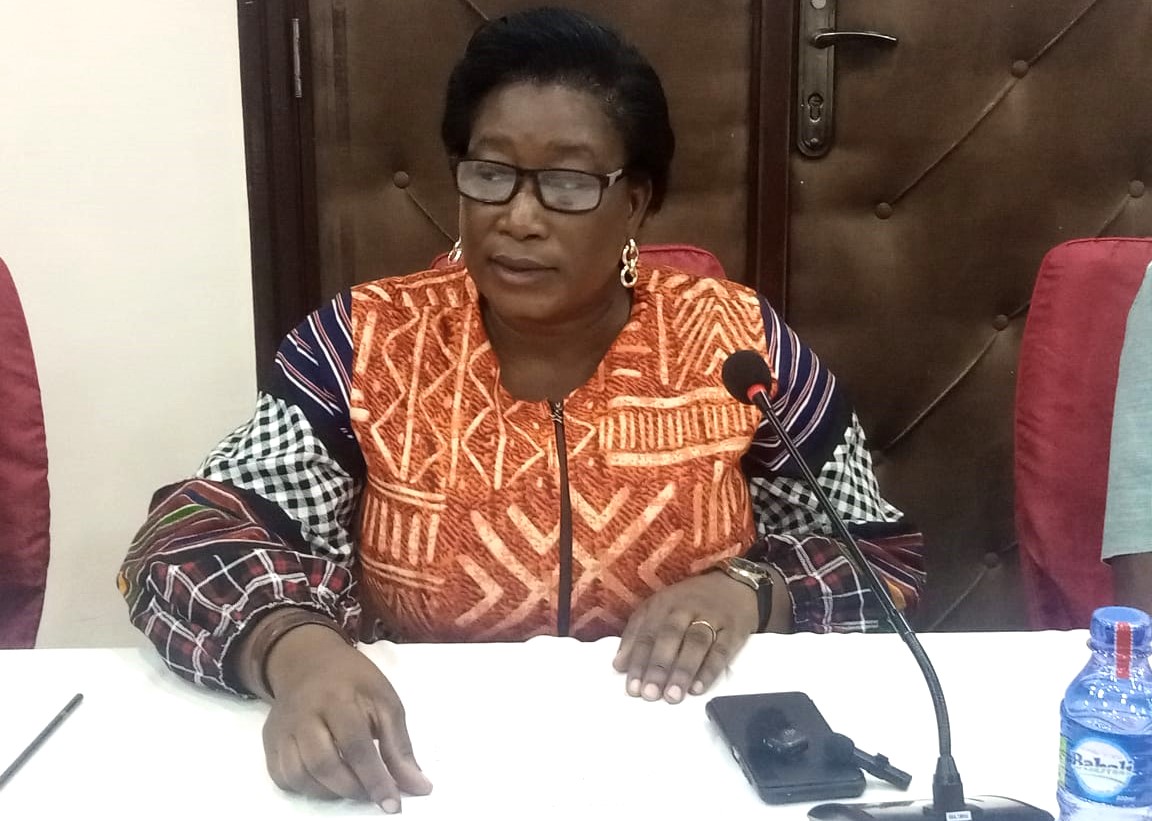
Representing the Ministry of Health’s Secretary-General, Regina Claudia Yaro/Zongo underscored the strategic roadmap in place, including the 2025–2030 Integrated Reproductive Health Strategic Plan, increased emergency obstetric care funding, and partnerships with international health agencies.
What’s next: turning dialogue into change
Over the course of the two-day forum, participants will focus on:
- Eliminating legal ambiguities surrounding safe abortion access through clearer guidelines and provider training.
- Expanding decentralized services by investing in mobile clinics and community health workers in underserved regions.
- Strengthening post-abortion care and emergency response systems to reduce complications and deaths.
- Launching targeted campaigns to combat stigma and improve health education for adolescents and young adults.
By the end of the event, organizers aim to finalize a binding operational roadmap—assigning clear responsibilities, timelines, and accountability mechanisms to ensure sustained progress toward safer, more equitable reproductive health for all Burkinabè women and girls.