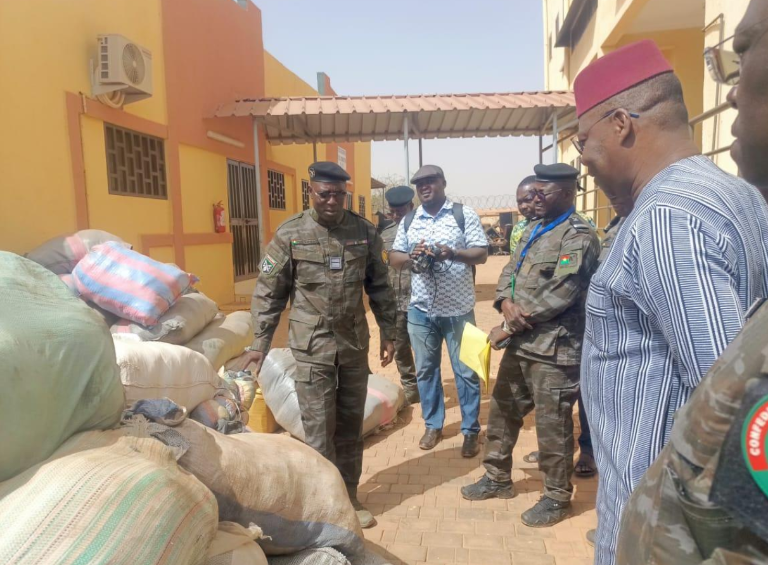
In an unprecedented crackdown on illegal trade, Burkina Faso’s customs authorities have intercepted goods worth over 10.8 billion West African CFA francs in just three months, exposing critical threats to public health, economic stability, and national security. The sweeping operation, codenamed Magnan, ran from July 10 to October 15, 2026, and revealed a deeply concerning web of smuggling networks operating across the country.
Presenting the operation’s findings in Ouagadougou, customs officials highlighted the staggering scale of prohibited and counterfeit goods infiltrating Burkina Faso’s markets. From life-saving medicines to hazardous chemicals, the seizures paint a troubling picture of a nation struggling to combat illicit commerce that endangers its citizens and undermines legitimate businesses.
Main findings: a breakdown of seized goods and their implications
Prescription drugs dominate the haul, raising urgent health alarms
The most significant seizure involved Tapentadol, a powerful painkiller, with over 4.2 million tablets intercepted—valued at more than 8 billion FCFA. Authorities also seized 11 tons of counterfeit medications worth approximately 1.1 billion FCFA. The presence of these unregulated drugs in the market poses severe risks, as their safety, efficacy, and dosage cannot be guaranteed.
Health experts warn that unregulated pharmaceuticals often contain incorrect ingredients, improper dosages, or even harmful substances, putting consumers at risk of drug resistance, poisoning, or ineffective treatment. The circulation of such products not only threatens individual lives but also undermines trust in Burkina Faso’s healthcare system.
Dangerous beyond pharmaceuticals: narcotics, chemicals, and explosives
The crackdown extended far beyond the pharmaceutical sector. Customs intercepted significant quantities of cocaine and cannabis, highlighting the role of smuggling networks in fueling drug abuse and related crimes. Additionally, hazardous industrial chemicals—including cyanide and mercury—were found in the haul, raising concerns about environmental contamination and industrial sabotage.
Perhaps most alarmingly, authorities seized explosives and related equipment, underscoring the potential for these materials to be used in criminal or terrorist activities. The uncontrolled circulation of such items poses grave risks to public safety and national security.
The hidden impact on agriculture and food security
Agricultural inputs like counterfeit fertilizers and unapproved pesticides made up a substantial portion of the seizures. Over 500 tons of fertilizers and nearly 490 tons of rice were confiscated, along with thousands of liters of cooking oil. The use of substandard agricultural inputs can devastate crop yields, degrade soil quality, and introduce toxins into the food supply, threatening both farmers’ livelihoods and public health.
Other seized goods included counterfeit school textbooks, illicit cooking oil, and textile threads, illustrating how smuggling infiltrates even everyday essentials. These products not only deprive the government of tax revenue but also distort fair market competition, harming legitimate businesses.
Economic fallout: how smuggling undermines Burkina Faso’s future
The economic consequences of unchecked smuggling are far-reaching. Illicit trade creates an uneven playing field where fraudulent actors avoid taxes, regulations, and quality standards, giving them an unfair advantage over compliant businesses. This distorts market prices, reduces government revenue, and stifles economic growth.
Public funds derived from customs duties and taxes fund critical services such as healthcare, education, and infrastructure. When smuggling diverts revenue, these services suffer, further straining the country’s development. Additionally, the presence of counterfeit goods erodes consumer trust, discouraging investment and stifling legitimate trade.
In the agricultural sector, the use of counterfeit fertilizers and pesticides can lead to lower crop yields, increased production costs, and long-term soil degradation. This not only threatens food security but also jeopardizes the livelihoods of farmers who rely on these inputs for their income.
The road ahead: turning seizures into long-term solutions
The Magnan operation has demonstrated the scale of the smuggling challenge facing Burkina Faso. While the seizures are a significant victory, they represent only a temporary setback for criminal networks. To achieve lasting change, authorities must focus on dismantling the infrastructure supporting these operations.
This requires strengthening cross-agency collaboration among customs, security forces, health regulators, and agricultural authorities. Enhanced intelligence-sharing, stricter border controls, and targeted investigations are essential to identify and dismantle the networks behind these illegal operations.
Public awareness campaigns can also play a crucial role in educating citizens about the dangers of counterfeit goods and encouraging them to report suspicious activities. By addressing both the supply and demand sides of smuggling, Burkina Faso can begin to restore integrity to its markets and protect its people from the hidden costs of illicit trade.