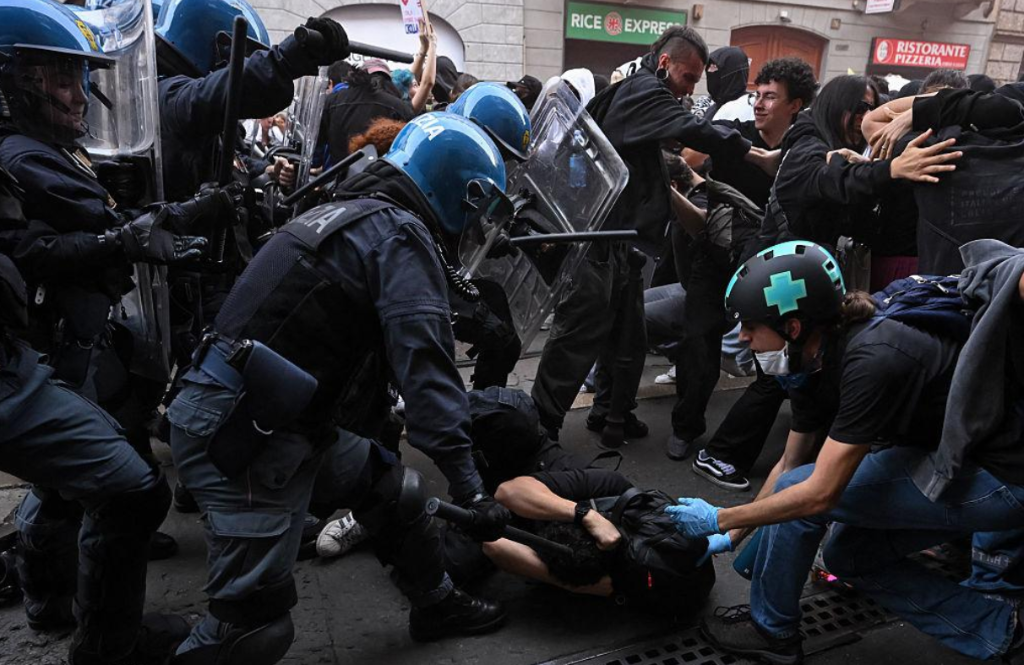
New security measures put parents and companies in the crosshairs after Milan unrest
The Italian government has escalated its response to urban violence after weeks of unrest in Milan and other northern cities, approving sweeping new security measures that directly impact families, young offenders, and local businesses. The decree, passed on October 20, 2026, introduces harsher penalties for collective violence, financial penalties for parents of minors involved in disturbances, and expanded police powers—moves that have already sparked both support and criticism throughout the country.
Harsher sentences target groups and organizers of violent protests
Under the new decree, participating in a group of five or more individuals during violent actions that endanger public safety can lead to up to five years in prison and fines up to €20,000. The penalties escalate when individuals conceal their faces or when injuries occur during clashes with law enforcement.
Organizers of violent protests—whether on the ground or online—face even steeper consequences. Justice Minister Carlo Nordio has confirmed that promoting or facilitating violent groups, including through digital platforms, could result in sentences of four to twelve years. The government’s stated goal is clear: not only punish those committing acts of vandalism, but also disrupt the networks behind them.
Minors and parents face financial and legal consequences
The decree shifts focus toward accountability for minors involved in civil disturbances. Adolescents aged 14 and older can now face prosecution more easily, and preventive detention may be applied to minors aged 14 to 17 if authorities determine they pose a continued threat.
A particularly controversial provision holds parents financially responsible for property damage or looting committed by their minor children. Local authorities can now demand compensation from families to cover the cost of repairs and stolen goods. While the government frames this as a deterrent against repeat offenses, critics warn it risks disproportionately penalizing low-income households without addressing underlying issues.
Milan becomes ground zero for enhanced security operations
As the epicenter of recent unrest, Milan is seeing immediate changes. The government has deployed an additional 500 military personnel under Operation Strade Sicure, aimed at strengthening surveillance in high-risk areas and supporting local police forces. This comes after a weekend of looting, arson, and clashes between demonstrators and authorities—events that damaged local businesses and public infrastructure.
While authorities insist the crackdown is necessary to restore public order, growing unrest in northern cities also reflects broader frustrations related to rising living costs, energy prices, and limited access to social services. Critics argue that a purely punitive approach fails to address the socioeconomic factors fueling the anger.
Balancing security and civil liberties in a new era of policing
The decree builds on a series of security laws introduced since 2022 and has reignited national debate over the balance between public safety and individual freedoms. Police unions and civil rights groups have raised concerns about expanded preventative powers, prolonged detention of minors, and the potential for disproportionate penal responses.
Not all proposed measures survived scrutiny. The government reportedly abandoned a plan to grant military personnel broader policing powers in Milan after objections from the presidency, signaling ongoing internal and institutional tensions. Still, with immediate implementation, the new law must now navigate a 60-day parliamentary review before full enactment.
Will tougher measures bring lasting stability or fuel deeper division?
The coming months will reveal whether these measures reduce unrest—or escalate tensions further. As Italy grapples with the dual challenges of maintaining order and protecting democratic freedoms, the effectiveness and proportionality of this crackdown remain under intense scrutiny. One thing is certain: the government’s approach has already reshaped the landscape of public discourse on security in Italy.