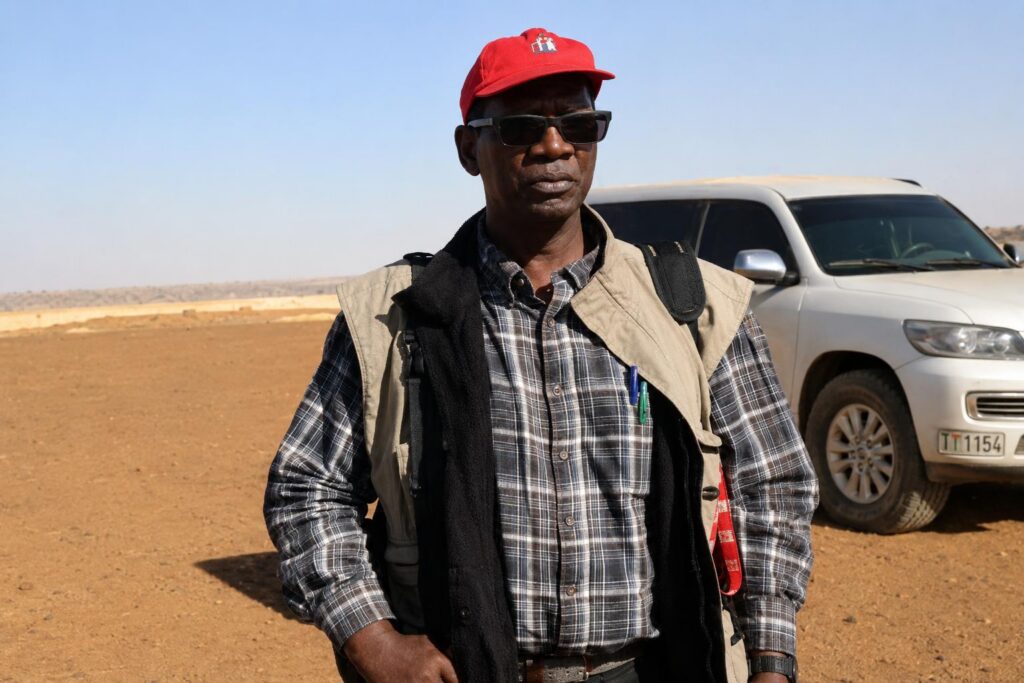
In Niger, the detention of prominent journalist Moussa Kaka has escalated from a local concern to a national crisis, with far-reaching consequences for media freedom, legal accountability, and the country’s economic stability. Months after his arrest, the lack of transparency from transitional authorities has not only silenced one of the nation’s most respected voices but also raised urgent questions about the rule of law and investor confidence in the Sahel region.
From disappearance to state-sanctioned detention
The controversy began on August 31, 2024, when Moussa Kaka vanished without a trace after leaving his office in Niamey. For nearly two months, his family, colleagues, and press freedom advocates feared the worst—whispers of abduction or extrajudicial detention fueled public outrage. The silence from government officials only deepened the uncertainty, turning a private tragedy into a national scandal.
Under mounting pressure, the Minister of Justice finally acknowledged that Kaka was alive and in state custody, a revelation that temporarily eased fears for his safety. Yet this confirmation did little to address the deeper concerns about due process and legal transparency that now grip Niger’s civil society and business leaders alike.
The human cost of unchecked detention
The journalist’s prolonged incarceration without formal charges has sent shockwaves through Niger’s media landscape, but its impact extends beyond the profession. Businesses, particularly those in media and communications, face growing uncertainty as investors question the stability of the legal system. International partners, too, are re-evaluating their engagement, wary of a precedent that could undermine investor protections and economic growth.
For Moussa Kaka’s supporters, the core issue remains the erosion of constitutional rights. His case has become a litmus test for Niger’s commitment to due process, with advocates demanding:
- Explicit allegations: Authorities must publicly disclose the charges against Kaka, a basic requirement under Nigerien law that has yet to be met.
- Detention transparency: Independent monitors must be granted access to verify his conditions and health status, ensuring no further rights violations occur in secret.
- Legal representation: Kaka must be allowed uninterrupted contact with his lawyers and family to prepare a fair defense, a right currently denied without justification.
Press freedom under siege: a threat to Niger’s future
The handling of Moussa Kaka’s detention reflects a troubling pattern in Niger’s media environment since the 2023 transition. Investigative journalism and critical reporting are increasingly stifled under the guise of national security, chilling public discourse and stifling dissent. Far from protecting citizens, these measures risk isolating Niger from global markets and isolating its people from the truth.
As local and international groups rally for Kaka’s release or proper judicial processing, the case underscores a pivotal moment for Niger. Will the country uphold its democratic values, or will the silence surrounding this detention become the new norm? The answer will shape not just the future of its press but the trust in its institutions—and the confidence of those who invest in its future.
What’s at stake: democracy, economy, and the rule of law
The fallout from Moussa Kaka’s arrest is a microcosm of broader challenges facing Niger. Legal opacity breeds economic instability, as uncertainty deters foreign investment and local entrepreneurship. Meanwhile, the erosion of press freedom weakens civic engagement and public oversight, leaving Niger’s democratic experiment vulnerable to backsliding.
For the first time in decades, Niger’s global reputation is at risk—not because of conflict alone, but due to the unchecked power of its transitional authorities. The world is watching whether this nation will choose the path of accountability or continue down a road where silence and detention replace justice and transparency.