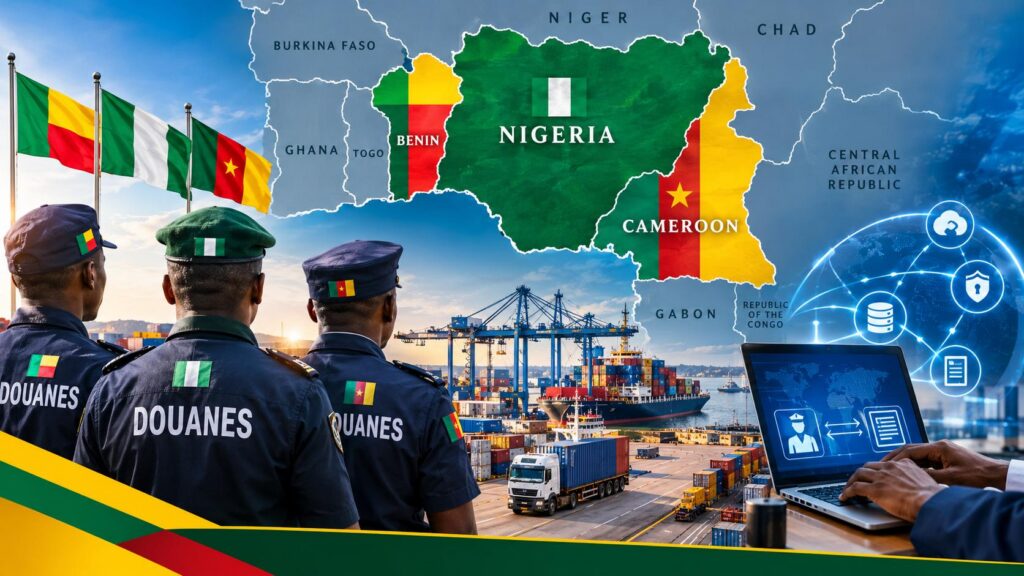
Three West African nations Benin, Nigeria, and Cameroon are taking a decisive step toward modernizing their customs operations through digital integration, a move that promises to reshape regional trade dynamics. Under the guidance of the African Export-Import Bank (Afreximbank), the initiative aims to create a seamless, interoperable system across borders, reducing delays, cutting costs, and enhancing transparency for businesses engaged in cross-border commerce.
Why customs digitalization matters for regional economies
The inefficiencies plaguing customs procedures in Africa such as redundant data entry, slow clearance processes, and fragmented communication between agencies have long frustrated traders, importers, and logistics providers. These bottlenecks not only inflate operational expenses but also undermine predictability, making it harder for businesses to plan shipments and meet deadlines.
By interconnecting their customs information systems, Benin, Nigeria, and Cameroon seek to eliminate these frictions. Real-time data sharing between ports, border posts, and central customs authorities would streamline clearance processes, minimize opportunities for corruption, and improve cargo tracking. The goal is clear: to transform customs from a barrier into an enabler of trade.
Benin’s strategic position hinges on smoother border operations
Benin’s economic vitality is deeply tied to its role as a trade corridor for landlocked neighbors and a hub for port-based logistics. Cotonou’s port relies heavily on efficient transit routes through Nigeria and Cameroon, making delays at borders particularly costly for the country’s import-export sector.
Digital customs integration could end the guesswork in cross-border shipments by providing accurate, centralized information accessible to all three countries. This would reduce the risk of arbitrary inspections, lower storage costs from prolonged delays, and improve the reliability of supply chains. For Beninese businesses, the benefits could translate into lower transaction costs and enhanced competitiveness in regional markets.
Overcoming systemic hurdles to achieve measurable impact
While the vision of interconnected customs systems is compelling, its success depends on more than just technology. Several critical challenges must be addressed to ensure tangible outcomes:
Harmonized procedures: Disparate national regulations on documentation, inspections, and tariffs could undermine data consistency. A unified framework for customs rules and processes is essential to avoid discrepancies in how goods are handled across borders.
System compatibility: Existing customs platforms in each country must be compatible or upgraded to support real-time data exchange. This requires significant investment in IT infrastructure and staff training.
Information security: Sharing sensitive trade data across borders introduces cybersecurity risks. Robust encryption and access controls will be vital to protect commercial and government information.
Measurable benchmarks: Clear metrics such as average clearance times, cost reductions per shipment, and the number of digital declarations processed are needed to track progress and justify the initiative’s scale.
Beyond efficiency: strengthening regional economic resilience
The push for digital customs reflects a broader trend in African commerce: the urgent need to reduce non-tariff barriers that stifle intra-regional trade. Africa’s share of trade within its own continent remains among the lowest globally, largely due to cumbersome administrative processes. By addressing this gap, Benin, Nigeria, and Cameroon could set a precedent for other Economic Community of West African States (ECOWAS) members to follow.
If successfully implemented, the digital customs network could unlock significant economic benefits. Faster clearance times would allow perishable goods to reach markets more quickly, reducing waste and spoilage. Lower logistics costs would make local industries more competitive against cheaper imports from outside Africa. And improved transparency could deter fraud, ensuring that tariffs and duties are collected accurately.
The road ahead: turning policy into practice
The journey from pilot phase to full-scale operation will demand collaboration between government agencies, private sector stakeholders, and development partners like Afreximbank. Pilot programs at key border crossings could serve as test cases, allowing officials to refine processes and troubleshoot issues before nationwide rollout.
For the initiative to gain public and industry trust, clear communication about its benefits and safeguards will be crucial. Businesses need assurance that the system will reduce red tape rather than create new layers of complexity. Simultaneously, customs authorities must demonstrate their ability to manage the transition without disrupting trade flows during the adaptation period.
As Africa accelerates its efforts to bolster regional integration, the digital customs integration of Benin, Nigeria, and Cameroon stands out as a test case for the continent’s economic potential. The stakes are high, but the rewards swifter trade, lower costs, and greater resilience could redefine Africa’s role in global commerce for decades to come.
By Emmanuel Mbarga — Journalist