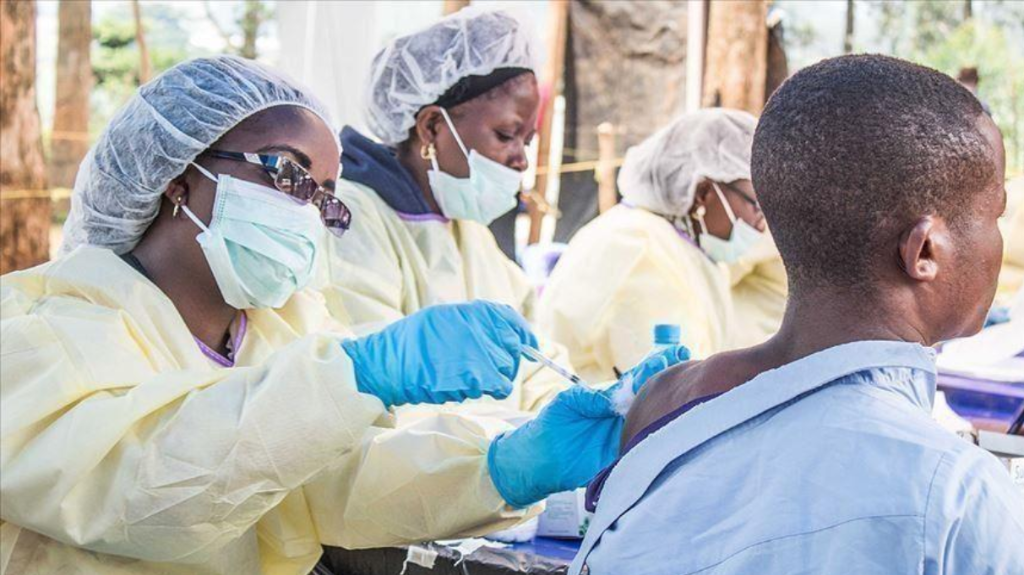
Nigeria records first Ebola case in years, sparking urgent regional response
The discovery of Nigeria’s first imported Ebola case in years has sent shockwaves through West Africa, exposing critical vulnerabilities in the continent’s epidemic preparedness. Health authorities confirmed on October 20, 2026, that a woman who had recently traveled from East Africa was infected with the Bundibugyo virus, a strain distinct from the 2014-2016 West African outbreak. This marks Nigeria as the fifth African country to detect the virus during the current Congo-centered epidemic, raising fears of further cross-border spread.
From diagnosis to containment: How Nigerian health authorities are responding
The infected individual, who developed symptoms on October 7 and sought private medical care in Abuja on October 11, was confirmed positive after laboratory tests on October 20. Health Minister Muhammad Ali Pate confirmed that she is now in isolation and receiving treatment, while authorities have identified 44 high-risk contacts for monitoring. The swift identification of exposed individuals is now the top priority to prevent secondary transmission chains.
« We are tracing every possible contact to break the transmission cycle, » Pate stated, emphasizing the role of rapid response teams and coordinated surveillance. The Nigeria Centre for Disease Control (NCDC), Africa CDC, and WHO are collaborating to strengthen screening at entry points, laboratory diagnostics, and public health messaging.
Nigeria’s preparedness tested by past Ebola scars
While Nigeria successfully contained its 2014-2016 Ebola outbreak, the current case tests whether the country’s health systems have maintained their resilience. The 2014 crisis, which killed over 11,000 across West Africa—including Nigeria—left deep scars, but also valuable lessons in rapid contact tracing and community engagement. Today, the stakes are even higher: Nigeria, Africa’s most populous nation, sits at the crossroads of regional trade and migration, making it a potential gateway for the virus to penetrate further into West Africa.
Regional ripple effects: How Ebola’s spread is reshaping African health security
The Bundibugyo strain, first detected in the Democratic Republic of the Congo (DRC) in May 2026, has already spread to multiple provinces, with Kenya confirming nine cases by October 20—all linked to travelers from the DRC. The current Ebola outbreak is the continent’s most geographically dispersed since 2014, with cases recorded in five countries beyond the DRC. Nigerian authorities are now investigating whether the infected woman contracted the virus during a professional trip to eastern DRC or during transit in Uganda, which had no reported cases at the time.
« The mobility of Ebola is as concerning as the virus itself, » said a public health expert involved in the response. « Air travel, regional trade, and professional mobility require airtight border monitoring and real-time data sharing to prevent undetected spread. » The challenge is compounded by the virus’s long incubation period of up to 21 days, which can allow infected individuals to slip through initial screenings.
Economic turbulence: The hidden cost of an Ebola scare
The announcement has already sent ripples through Nigeria’s economy, with stock markets reacting to fears of disrupted trade and tourism. While a single case does not constitute an epidemic, the psychological and financial impacts are immediate. Businesses, particularly in Abuja’s bustling private healthcare sector, are implementing stringent screening protocols, while airlines and transport hubs are on high alert. The experience of 2014-2016, when Nigeria lost an estimated $6 billion in economic activity due to Ebola-related disruptions, looms large over current policies.
« A single imported case can trigger disproportionate economic consequences if public fear spirals, » warned an economist specializing in pandemic impacts. « The real cost often comes from overreaction—cancelled flights, reduced commerce, and a drop in investor confidence—rather than the virus itself. » Authorities are now balancing transparency with reassurance, aiming to prevent both health and economic crises.
Public health in focus: Preventing panic and misinformation
Ebola symptoms—fever, severe fatigue, muscle pain, and gastrointestinal distress—can mimic common illnesses, delaying diagnosis. In severe cases, the virus leads to hemorrhaging and organ failure. Transmission occurs only through direct contact with bodily fluids, not casual exposure, but misinformation can exacerbate risks. Fear of stigmatization may cause individuals to delay seeking care, while rumors of miracle cures can undermine public trust.
Health officials are urging Nigerians to report symptoms immediately and avoid self-medication. « The window to contain this is narrow, » stated a CDC spokesperson. « Every hour counts in identifying and isolating potential cases before they spread. » Public awareness campaigns are emphasizing safe burial practices, hand hygiene, and the importance of seeking care at designated health facilities—not through traditional healers or informal clinics.
What’s next for Nigeria and West Africa?
As investigations continue into the infected woman’s travel history, the focus shifts to whether Nigeria can replicate its 2014 success. Rapid containment hinges on three pillars: identifying contacts, preventing secondary transmission, and maintaining public trust. The country’s health infrastructure—a blend of federal oversight, NCDC coordination, and local surveillance—is now under the microscope.
Outside Nigeria, regional partners are ramping up preparedness. West African nations, still scarred by the 2014-2016 disaster, are reviewing their own protocols, including emergency stockpiles of personal protective equipment and strengthened airport screenings. The Africa CDC has activated its emergency response framework, but the true test will be in the coming weeks: Can Nigeria—and West Africa—turn this imported case into a contained incident?
One thing is clear: the Bundibugyo strain’s arrival in Nigeria is not just a health crisis—it’s an economic and social one. And in a region where trust in public institutions is fragile, the response will determine more than just virus containment. It will shape the future of pandemic preparedness in Africa.