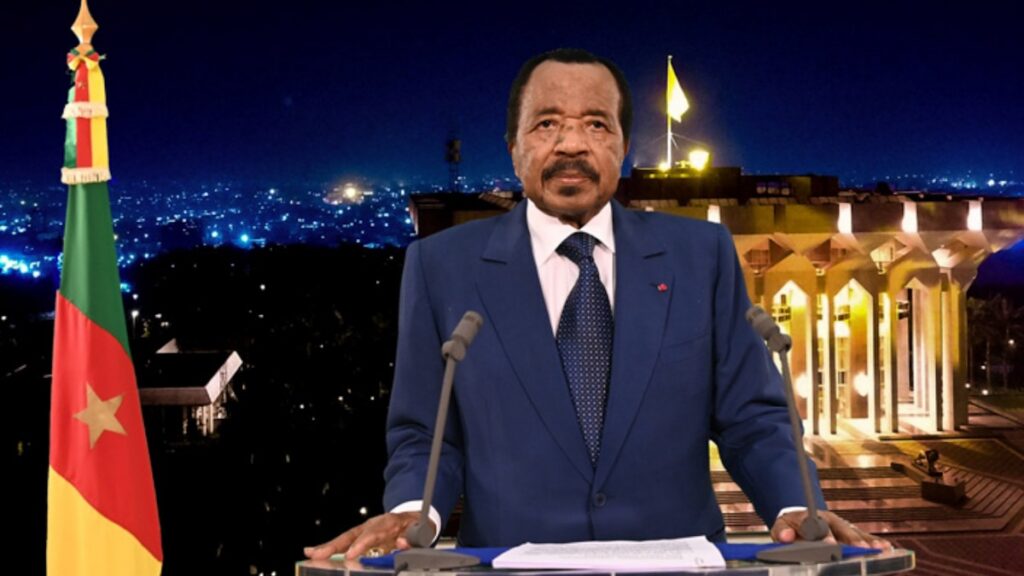
Cameroon’s economic heartbeat weakens with each passing day of President Paul Biya’s unexplained absence. Since departing Yaoundé on June 7, 2026—ostensibly for a ‘brief private stay’ in Europe—the country has operated in a state of institutional limbo. Over two months without a public appearance or confirmed return date, the vacuum at the top is no longer just a political talking point. In a nation where presidential decrees dictate public life, this leadership gap risks leaving tangible scars on the economy and daily life of millions.
Economic paralysis: Markets stall and projects stall in Biya’s absence
The Cameroonian economy thrives—or falters—based on the decisions of a single office. With that office vacant, the ripple effects are immediate:
- Financial markets lose confidence: Cameroon’s dollar-denominated sovereign bonds have slumped to among the poorest-performing in Africa. Analysts cite growing unease over the lack of succession clarity and the perception of political instability among foreign investors.
- Infrastructure and investment projects freeze: Major public-private partnerships and national infrastructure programs rely on presidential-level approvals. Without decisive leadership, project files pile up in ministerial inboxes, delaying fund disbursements and slowing budget execution.
- Institutional paralysis persists: Despite a constitutional reform in April 2026 introducing the role of vice president to prevent leadership vacuums, the position remains unfilled. A stalled ministerial reshuffle compounds the sense of administrative gridlock.
Social strain: Inflation bites and patience wears thin
For ordinary Cameroonians, the cost of this leadership void is measured in rising prices and frayed nerves:
- Rising cost of living: Local markets continue to see steep increases in staple foods and fuel. Without responsive fiscal or monetary measures, household purchasing power keeps eroding.
- Distrust and anxiety spread: The absence of official updates fuels speculation across social media. Citizens, especially young people, feel sidelined, breeding frustration and social tension.
- Critical issues go neglected: Urgent challenges—from the ongoing crisis in the Northwest and Southwest regions to youth unemployment and crumbling power grids—lack the political momentum needed for meaningful solutions.
Leadership gap exposes deep institutional flaws
Paul Biya’s prolonged absence shines a harsh light on Cameroon’s structural vulnerabilities. It reveals how dangerously reliant the nation is on a single figure—and how quickly the system stalls when that figure steps away. For the sake of investor confidence and social stability, restoring clear governance and re-energizing daily state functions has become an urgent necessity.

More Stories
Cameroon president’s absence fuels power vacuum amid decree surge
Gabon shifts trade focus toward African markets under Oligui Nguema
While the president is in Switzerland, his son’s political ambitions stir in Cameroon