Cameroun: major financing for Douala-Bangui road corridor project
The economic corridor connecting Douala in Cameroun to Bangui in the Central African Republic is set for a major upgrade. The World Bank has just approved an initial funding of $425 million to revitalize this 800 km stretch of road, with construction expected to commence next year.
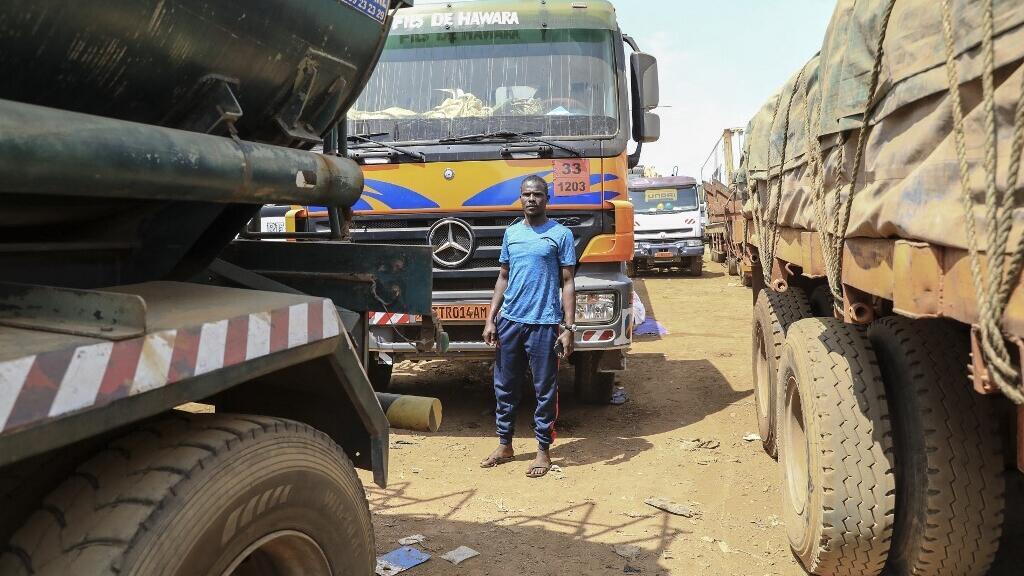
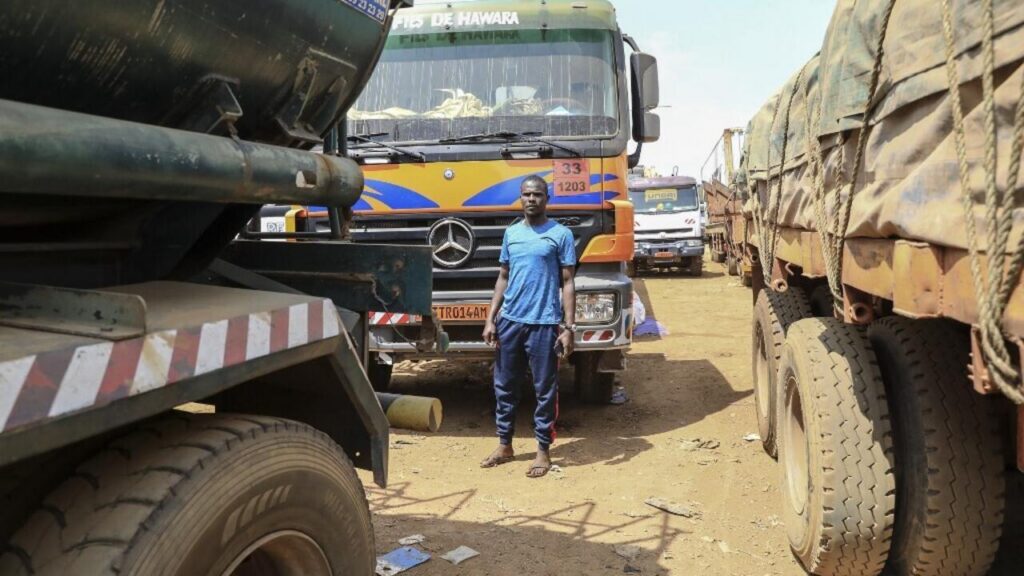
This economic corridor currently handles over 80% of goods destined for the Central African Republic and 70% for Chad, yet remains in poor condition. The project aims to modernize weighing operations and streamline transport processes between the two countries.
Modernizing transport infrastructure
Donnat Takueté, Director General of Studies at the Ministry of Public Works, explains the innovations: «We will install a pre-selection system on the route where only vehicles suspected of being overloaded will undergo automatic weighing. Fines, if applicable, will be recorded and receipts printed immediately».
Currently, the journey from Douala to Bangui (1,400 km) takes between 9 to 12 days due to the poor road conditions and the 17 informal checkpoints along the way, according to the World Bank. The initial phase of funding will prioritize road improvements in Cameroun.
Anne-Cécile Souhaid, Director of the World Bank’s West and Central Africa region, details: «For the first phase, Cameroun will receive $425 million, while the Central African Republic will benefit from $90 million. Additional regional support will prepare subsequent project phases».
Comprehensive road rehabilitation plan
In Cameroun, the project includes reconstructing and rehabilitating key routes to improve traffic flow between Douala and the Central African Republic. Emmanuel Nganou Djoumessi, Minister of Public Works, outlines the planned work: «We will reconstruct the 215 km Yaoundé-Douala road, rehabilitate the 332 km Yaoundé-Bonis-Ayos section, and upgrade the 253 km Bonis-Bertoua stretch. This will modernize 800 km of road to meet economic demands».
The project, spanning several years, is expected to generate between 2,000 and 4,000 direct and indirect jobs.



More Stories
Can a single century of writing still shape Benin’s literary future? Inside Olympe Bhêly-Quenum’s legacy
Mali’s $850 million question: can Bamako keep paying Russian mercenaries while its people go without?
Molodo ambush: has Mali’s junta finally run out of options with Africa Corps?