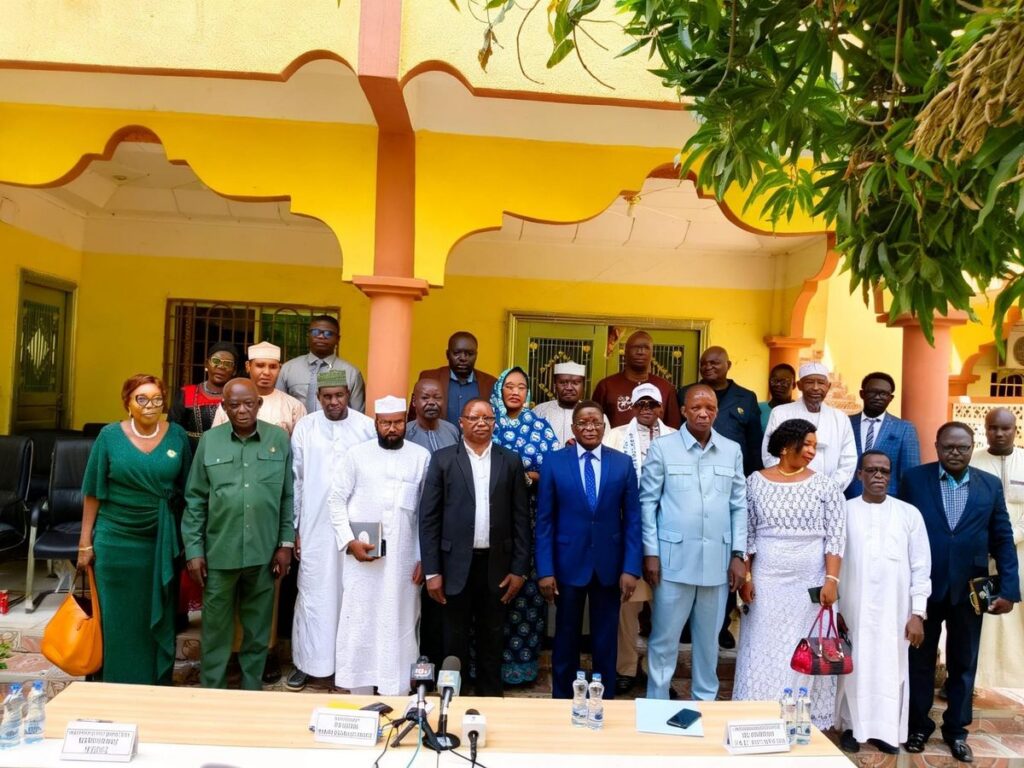
Chad’s CPDP unveils plan to stabilize political climate
The Permanent Framework for Political Dialogue (CPDP) in Chad has officially presented its strategic roadmap aimed at restoring public trust and fostering a peaceful political environment. This comes five months after the body’s official establishment, with a clear focus on electoral reforms and long-term democratic stability.
Building a foundation for political trust
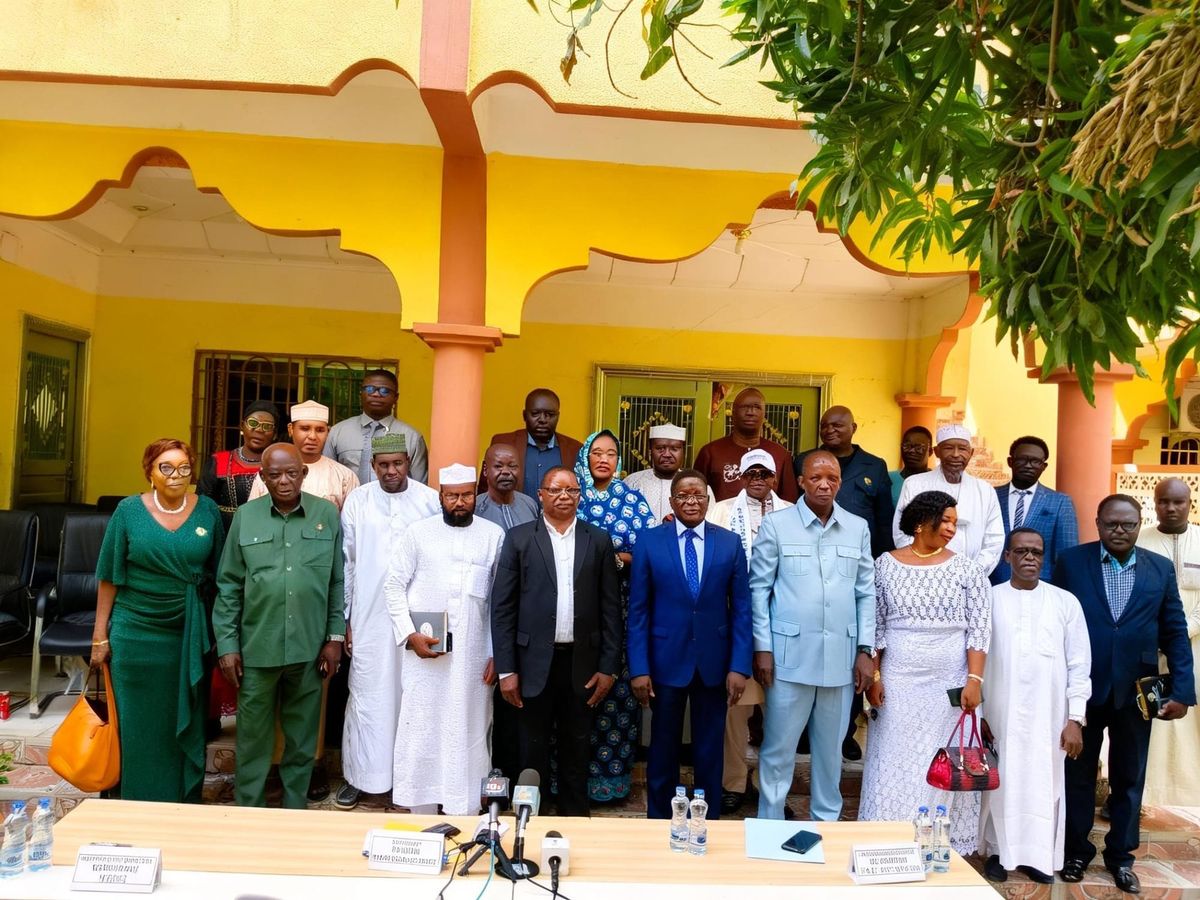
In a press briefing, CPDP President Pahimi Padacké Albert outlined a comprehensive strategy designed to address Chad’s political tensions. The framework, born from the May 13, 2025 Political Agreement, includes all legally registered political parties in the country. With a balanced 30-member coordination team—15 from the presidential majority and 15 from the democratic opposition—the CPDP aims to serve as the driving force behind much-needed political calm.
« Political serenity cannot exist without a reformed electoral system that meets international transparency standards, » emphasized Padacké Albert. « Without these pillars, no dialogue can successfully restore lasting trust in our democratic institutions. »
A three-pillar strategy for long-term reform
The roadmap is structured around three core objectives designed to reshape Chad’s political landscape:
1. Electoral system overhaul
This priority initiative targets key structural changes, including:
- Reforming election management bodies
- Updating the electoral code
- Revising parliamentary seat allocation
- Redefining senatorial selection methods
- Adjusting territorial boundaries
- Strengthening opposition rights
2. Supporting measures for electoral integrity
To safeguard the process, the CPDP proposes:
- Establishing a reliable voter registry
- Implementing equitable political party financing
3. Cross-cutting initiatives for sustained engagement
The framework emphasizes continuous collaboration with:
- State institutions
- Technical and financial partners
- Political parties not initially part of the agreement
A call for national ownership
Padacké Albert underscored the need for « strong political will » at every level to implement these reforms. He also urged media outlets to widely disseminate the roadmap, ensuring Chad’s citizens fully understand the CPDP’s mission and actions.
The next phase involves developing a detailed action plan with precise implementation timelines. Whether this dialogue-driven approach can overcome persistent tensions and establish lasting political stability remains to be seen.