Gabon’s new diplomatic vision: sovereignty and regional influence take center stage
Libreville, June 13, 2026 — In a continent reshaped by shifting geopolitical currents, Gabon is redefining its diplomatic posture with a clear ambition: to emerge as a stabilizing force in Central Africa and a champion of African-led solutions.
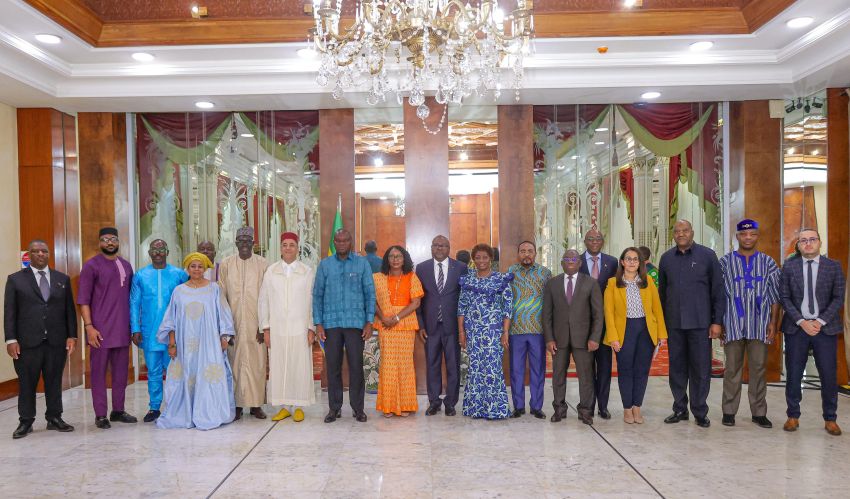
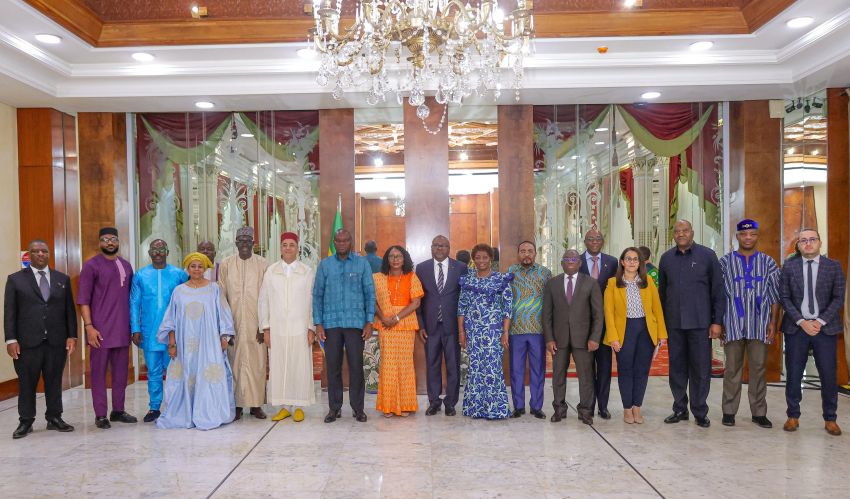
President Brice Clotaire Oligui Nguema recently convened a landmark meeting with all accredited African ambassadors in Libreville, marking his first collective engagement with the continent’s diplomatic corps since assuming office. This was no mere formal gathering. It was a platform to unveil a bold foreign policy vision designed to reposition Gabon as a key player in Africa’s unfolding narrative.
Through this high-profile encounter, the Head of State sent a resounding message. Gabon is no longer content to be a passive observer in continental affairs. Instead, it seeks to become a voice of reason, a facilitator of dialogue, and a staunch advocate for an Africa-driven integration model. Against the backdrop of regional instability, competing foreign influences, and evolving development models, Libreville is determined to carve out its own diplomatic identity.
Building an Africa shaped by Africans
The cornerstone of President Oligui Nguema’s address was a powerful assertion resonating across African capitals: the continent’s future cannot remain hostage to external prescriptions. This stance aligns with a growing continental trend, from the Sahel to Southern Africa, where leaders increasingly demand greater sovereignty in managing economic, security, and institutional challenges.
Libreville’s diplomatic offensive rests on three strategic pillars. First is the acceleration of regional integration to boost intra-African trade—currently among the lowest globally. Second is the deepening of South-South cooperation, seen as a catalyst for sharing best practices and fostering economic synergies. Third is the strengthening of national capacities, ensuring each state can tackle its own development challenges head-on.
This pragmatic approach signals a departure from lofty pan-African rhetoric, favoring concrete action over empty declarations.
Turning stability into regional influence
Diplomats present at the meeting underscored the positive transformations underway in Gabon over the past three years—particularly in infrastructure, urban development, and public services. These advancements are no longer just national achievements; they are diplomatic assets.
The government is now focused on converting this progress into regional clout. The relaunch of joint commissions with African partners underscores this intent, signaling a shift from purely political diplomacy to project-based partnerships in energy, transport, agriculture, digital innovation, and vocational training.
Gabon’s international ambitions are also on full display. Its bid to host the ninth African Union-Regional Economic Communities biannual meeting in 2027 reflects this drive. Equally ambitious is the plan to host the 2030 Francophonie Summit, positioning Libreville as a pivotal diplomatic hub bridging Africa, the Francophone world, and beyond.
Balancing openness with governance
Discussions also touched on practical concerns affecting African nationals in Gabon. Ambassadors raised administrative and consular issues, to which the President responded by reaffirming Gabon’s commitment to international conventions and improved case processing. Yet he was equally clear: while Gabon remains open to its neighbors, this hospitality must align with national laws—a balance between regional appeal and governance standards.
In a final gesture, President Oligui Nguema addressed the Sahel Alliance countries. Amid political tensions and institutional fractures in the region, he urged dialogue, mutual listening, and consensus as the most effective tools for resolving disputes. This stance underscores Gabon’s ambition to act as a neutral mediator, capable of engaging constructively with all African sensitivities.
As the curtain fell on this historic gathering, one thing became clear: Libreville is no longer satisfied with being seen as a stable Central African capital. Gabon is determined to shape Africa’s diplomatic landscape, anchoring its influence in cooperation, peace, and regional integration. The challenge ahead is simple: translating this vision into tangible outcomes. In today’s Africa, actions—not words—define a nation’s stature.