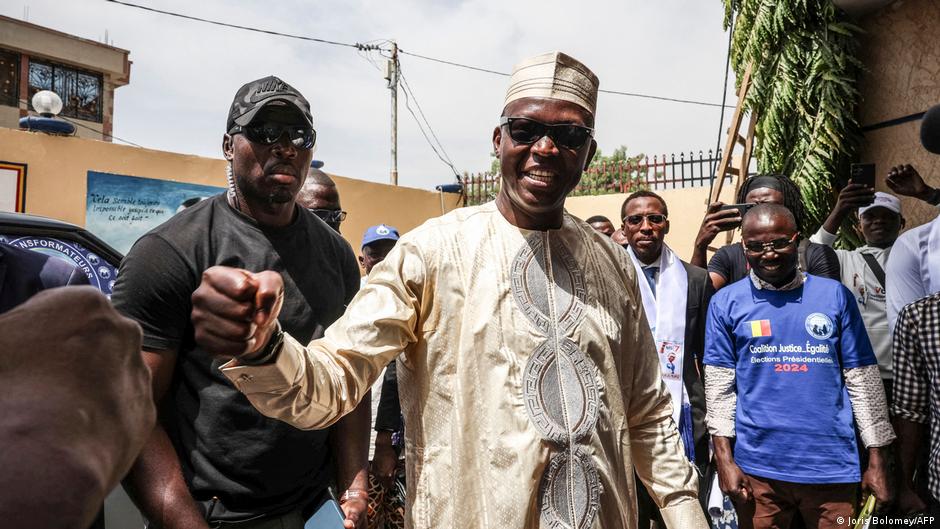
President Mahamat Idriss Déby’s decision to pardon several opposition leaders, including former Prime Minister Succès Masra, has sparked mixed reactions across Chad. While some view the move as a step toward national reconciliation, others see it as incomplete justice.
What clemency entails
The presidential pardon commutes prison sentences but leaves convictions intact. This means graced leaders like Masra and eight other opposition figures—affiliated with the GCAP coalition—will regain freedom but retain their criminal records. Their financial penalties and political rights, including ineligibility, remain unchanged.
As political analyst Bétinbaye Yamingué notes, the distinction between clemency and amnesty is critical: “This gesture addresses public expectations by leveraging constitutional powers to release political figures, but the true test lies in parliamentary action. The ball is now in the Assembly’s court.”
A parliament dominated by the ruling party
Chad’s National Assembly holds sole authority to pass amnesty laws. With 124 of 188 seats controlled by the ruling party, opposition initiatives face an uphill battle. Yamingué warns that without further legislative steps, the clemency may be perceived as a tactical maneuver rather than a genuine democratic opening: “Liberty is just the first step. For this to have lasting impact, these leaders must be restored to full political participation.”
Divergent reactions to the pardon
Transformateurs Party, led by Succès Masra, has not yet issued a statement, awaiting his release. Meanwhile, Vice President Ndolembai Sadé Njesada expressed gratitude, praising the president’s commitment to national unity and calling for dialogue to advance peace.
In contrast, GCAP spokesperson Hissein Abdoulaye condemns the decision, arguing that pardoning while stripping civil and political rights represents a “severe democratic setback.”
The ruling MPS party hailed the move as beneficial, emphasizing the leaders’ right to reunite with their families.

More Stories
Burkina Faso: can the official narrative on four years of Ibrahim Traoré’s rule withstand scrutiny?
Can Cameroon’s oil sector rebound from Thali permit’s financial crisis?
Can West Africa’s peace strategy survive without stronger regional unity?