
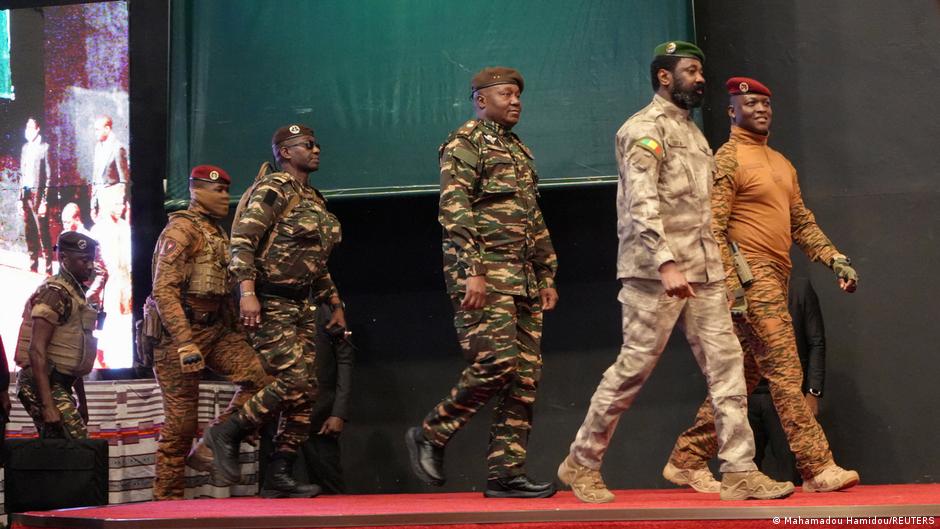
free movement barriers for AES nations after ECOWAS exit
When Mali, Burkina Faso and Niger withdrew from the Economic Community of West African States (ECOWAS), they aimed to reclaim sovereignty. Yet this bold decision has created unintended consequences for cross-border travel and trade within the region.
The Alliance of Sahel States (AES) withdrawal from ECOWAS has disrupted the free movement of people and goods. Travelers from these three nations now face hurdles with essential documents like passports, national ID cards and driver’s licenses when crossing borders into ECOWAS territory.
travel document challenges for Sahel citizens
Almou Yacouba, general secretary of Niger’s Syndicat démocratique routier, highlights ongoing struggles at ECOWAS checkpoints. “We’re running into issues with international license plates and permits. ECOWAS insurance requirements are particularly problematic within AES territory. Even when traveling with a Niger ID card into Côte d’Ivoire, officials sometimes reject it because it lacks an expiration date, even though the manufacturing date is present. Previously, ECOWAS ID cards facilitated travel, but since our departure, border agents often demand them. Travel documentation has become a major headache,” he explains.
Despite AES governments’ efforts to ease border crossings, transporters and travelers continue to encounter arbitrary inspections and ‘facilitation fees’ at multiple borders.
demands for a unified AES travel document
Chaibou Tchiombiano, secretary-general of Niger’s importers and exporters association, stresses the need for a unified AES passport to enable seamless movement across member states. “We should have unrestricted movement of people and goods. Unfortunately, we keep facing these obstacles,” he notes.
In December 2025, Niamey hosted a ministerial meeting on transport where AES officials discussed strategies to restore free movement within the alliance’s territory following their ECOWAS departure.
- border bureaucracy persists even within AES for citizens of Mali, Burkina Faso and Niger
- lack of standardized travel documents complicates intra-regional travel
- ministries are exploring solutions to restore mobility for Sahel residents
The withdrawal from ECOWAS was meant to strengthen sovereignty, yet for ordinary citizens, the reality of closed borders and cumbersome paperwork has overshadowed its benefits.


More Stories
Olympique lyonnais awaits champions league fate to confirm auxerre clash
High-level discussions: Niger’s interior minister receives burkinabe AES official in Niamey
Niger three years of military rule deepens crisis for citizens