
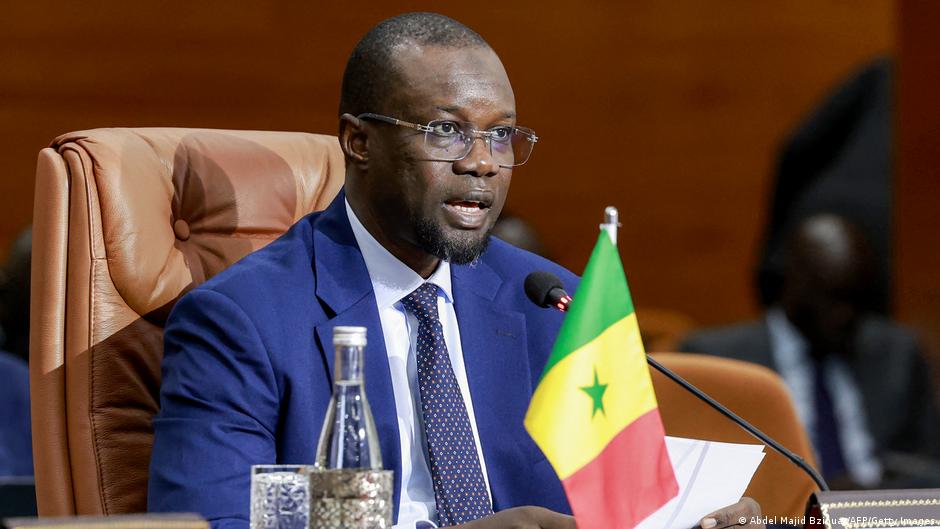
challenging Ousmane Sonko’s policies in Senegal carries risks
Public criticism of Ousmane Sonko, the newly elected President of Senegal’s National Assembly, has become increasingly risky. Civil society leaders and journalists report a growing climate of intimidation, where dissenting voices face aggressive online smear campaigns orchestrated by ardent supporters of the ruling Pastef party.
This hostile environment has led many to self-censor, fearing digital harassment or even physical repercussions. The situation has raised concerns about the erosion of democratic debate in the country.
Threats against media and judiciary
Since assuming office as Prime Minister in early April 2024, Sonko has repeatedly targeted Senegal’s media landscape. In a stark warning, he declared:
“We will no longer tolerate media outlets writing whatever they wish about individuals under the guise of press freedom, without credible sources.”
His remarks have fueled tensions with journalists, who see them as an attempt to silence criticism. Sonko has also frequently questioned the integrity of Senegal’s judicial system.
In November 2025, during a public address, he accused certain magistrates of obstructing financial investigations, perpetuating what he describes as the corrupt “system” he has long opposed. These comments sparked outrage among legal professionals.
Setbacks for women’s rights
Women’s rights advocates in Senegal are also sounding the alarm. Activist Ossama Monique Sagna highlights the stagnation in advancing gender equality, pointing to the limited application of the 2010 parity law as a key example.
“The current government has fewer female ministers than the last administration under Macky Sall,” she notes. “This is a clear regression in political representation for women in decision-making roles.”
While Macky Sall’s final cabinet included seven women, Sonko’s administration, before his recent dismissal, had only four—about 13% of the total.
Sagna adds that structural progress remains elusive:
“Major feminist demands—such as reforming the Family Code to remove discriminatory provisions, fully implementing the Maputo Protocol on women’s reproductive rights, and combating gender-based violence—have seen little movement. Feminicides and gender-based violence continue to rise, with around 18 cases reported nationally in 2025. Yet, there is often a lack of decisive action from authorities.”


More Stories
Ousmane Sonko’s firm stance on Senegal’s FMI agreement demands full transparency
Senegal’s institutional crossroads: the unfolding dynamic between Ousmane Sonko and Bassirou Diomaye Faye
Minister abdourahmane diouf reignites feud with ousmane sonko over special credits reform