
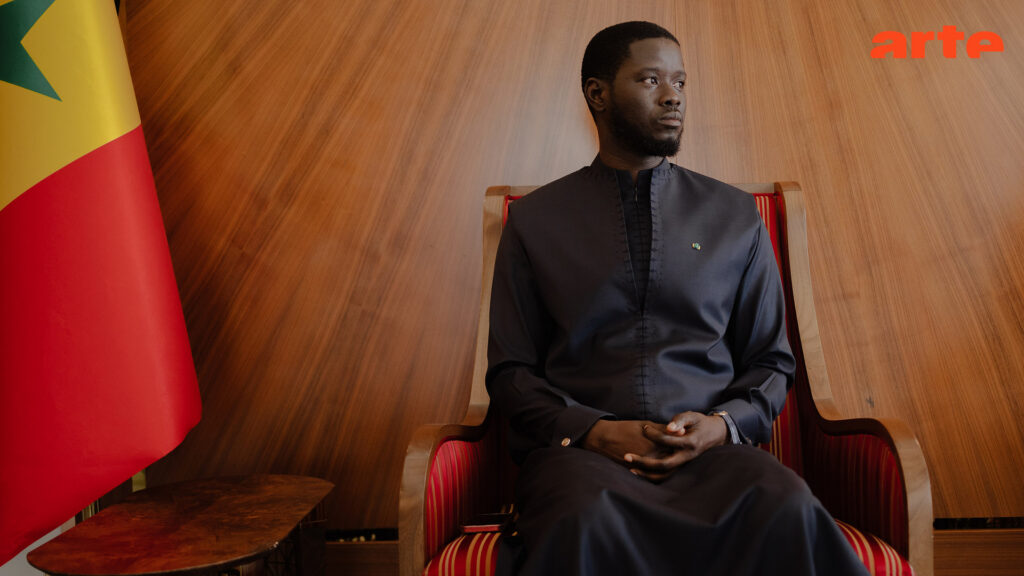
Is Senegal teetering on the brink of political and societal chaos?
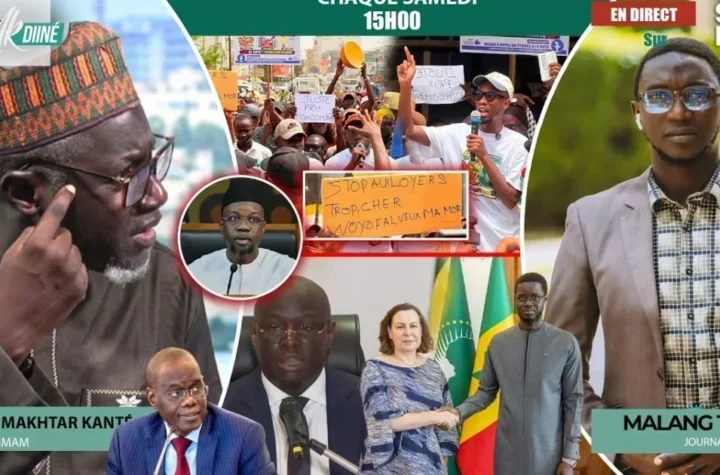
The nation of Senegal finds itself at a critical juncture, as mounting political tensions and sweeping societal changes raise urgent questions about its future stability. The abrupt dismissal of Ousmane Sonko, former Prime Minister and long-time ally of President Bassirou Diomaye Faye, has sent shockwaves through the country, further destabilizing an already fragile political landscape. This dramatic shift unfolded just days after Sonko was elected as President of the National Assembly on May 26, 2026.
Political turbulence deepens with institutional shifts
The abrupt reshuffle in Senegal‘s leadership has left citizens and observers alike grappling with uncertainty. President Bassirou Diomaye Faye‘s decision to replace Sonko—once a key figure in his administration—has intensified debates about governance, loyalty, and the direction of the nation. The move comes at a time when Senegal is already navigating complex domestic and regional challenges, adding layers of complexity to an already volatile situation.
Controversial legislation fuels societal divisions
Beyond the political sphere, Senegal has recently passed a contentious law in March 2026 that significantly tightens penalties for homosexuality. The legislation has sparked widespread debate, drawing criticism from human rights advocates and international observers. While proponents argue it reflects cultural and religious values, opponents warn it could deepen societal fractures and isolate the country further on the global stage. The law’s passage has intensified discussions about human rights, freedom, and the role of the state in regulating personal freedoms.
A nation at a crossroads
Senegal now stands at a pivotal moment, where political decisions and societal debates could either steer it toward greater stability or plunge it deeper into crisis. The coming months will be crucial in determining whether the country can reconcile its differences and chart a path forward that addresses both governance and human rights concerns.
More Stories
Ousmane Sonko’s firm stance on Senegal’s FMI agreement demands full transparency
Senegal’s institutional crossroads: the unfolding dynamic between Ousmane Sonko and Bassirou Diomaye Faye
Minister abdourahmane diouf reignites feud with ousmane sonko over special credits reform