
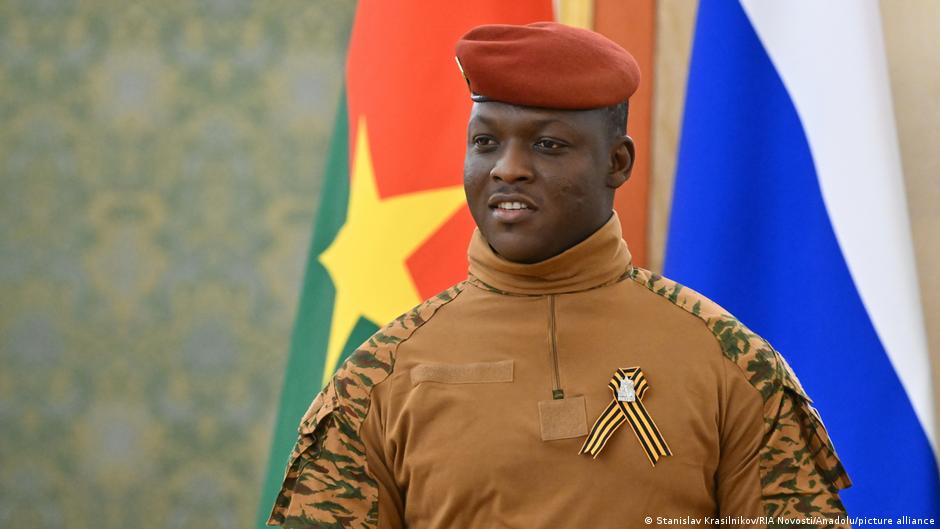
Growing restrictions spark debate in Burkina Faso
The arrest of influential Sunni cleric Mohamed Ishaq Kindo in Burkina Faso just before Eid al-Adha has intensified local tensions. The circumstances surrounding his detention remain unclear, with no official explanations provided to date. The Federation of Islamic Associations (Faib) has issued an urgent call for calm and respect for state institutions in response to the growing unrest.
According to eyewitness accounts, the imam was taken into custody on May 26 at approximately 2 p.m. by masked officers from both police and military units. Attempts by his followers to intervene sparked clashes resulting in multiple injuries.
The situation has been volatile for months due to proposed legislation regulating religious freedoms, which has become a contentious issue. The bill aims to reinforce state secularism, regulate places of worship in public services, and curb certain extremist practices. These measures have faced strong opposition from Muslim associations advocating for its withdrawal.
In the days leading up to his arrest, a widely circulated audio message from Imam Kindo questioned whether authorities were “sufficiently reflecting on the consequences of their actions before proceeding.”
Within hours of his detention, a solidarity protest in support of the cleric in Ouagadougou was dispersed using tear gas.
This case follows another incident in late March, when Imam Mahmoud Barro vanished after publicly criticizing the same proposed law.
The climate of repression extends beyond religious figures. The General Union of Burkinabè Students (Ugeb) was suspended for three months—renewable—for “apology for terrorism” following a statement condemning the government’s “clear failure” to address insecurity and unfulfilled promises.
Human rights groups condemn crackdown on dissent
Human Rights Watch has emphasized Ugeb’s long-standing role since its 1960 founding in advocating for improved student living conditions and as a “crucial voice in broader struggles for transparency and social justice.”
A prosecutor in Ouagadougou has launched an investigation into “the author or authors” of the Ugeb’s publication. A Burkinabè national in exile quoted by HRW suggests this case reveals how judicial authorities are increasingly “subordinated to the junta’s political and security agenda.”
The human rights organization urges authorities to drop sanctions against Ugeb and end the suppression of independent voices and fundamental freedoms. HRW argues that “silencing students will not resolve Burkina Faso’s worsening security and governance crises, including the escalating attacks by Islamist insurgents.”
Just a month ago, the International Federation for Human Rights (FIDH) called on Burkinabè authorities to “uphold the fundamental rights and freedoms of all citizens in Burkina Faso.” That appeal appears to have gone unheeded. Instead, fear is taking root across society.
Journalists increasingly struggle to find willing interviewees, as the risks of speaking out grow. Yet dissent persists—silently—on social media and in private conversations among Burkinabè citizens.

More Stories
Ousmane Sonko’s firm stance on Senegal’s FMI agreement demands full transparency
Senegal’s institutional crossroads: the unfolding dynamic between Ousmane Sonko and Bassirou Diomaye Faye
Minister abdourahmane diouf reignites feud with ousmane sonko over special credits reform