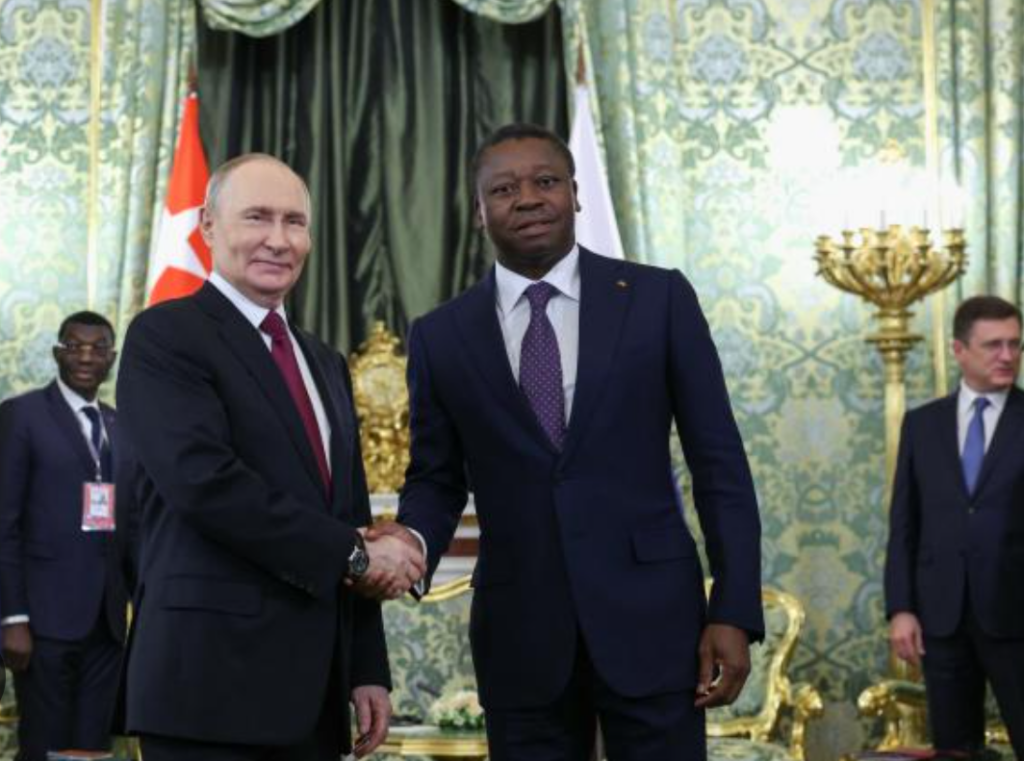
The northern regions of Togo face growing security threats from Sahel-based armed groups, but the suspected presence of foreign military and paramilitary forces has triggered heated public debate in Lomé. On July 20, 2026, a coalition of opposition parties and civil society groups publicly challenged President Faure Gnassingbé’s administration over these deployments. Concerns center on institutional opacity, potential Russian Africa Corps personnel counts, and security contracts with Turkey’s SADAT, all raising questions about national sovereignty and transparency.
United opposition push for accountability
A broad alliance of opposition movements, including the original Dynamique Monseigneur Kpodzro (DMK), the Dynamique pour la majorité du peuple (DMP), the Lumière pour le développement dans la paix (LDP) movement, and the Front « Touche pas à ma Constitution », has broken its silence with a joint statement. Their primary concern: foreign soldiers and paramilitaries operating in Togo’s northern Savanes region, bordering Burkina Faso—a zone increasingly targeted by terrorist incursions.
The coalition argues that while security challenges demand action, the complete lack of official communication is unacceptable. With no clear government response, these groups insist on transparent disclosure of the legal status, mission parameters, and regulatory framework governing the presence of these external forces.
Controversial actors under scrutiny
The opposition’s concerns focus on two prominent security actors with ties to recent Sahel and Gulf of Guinea engagements.
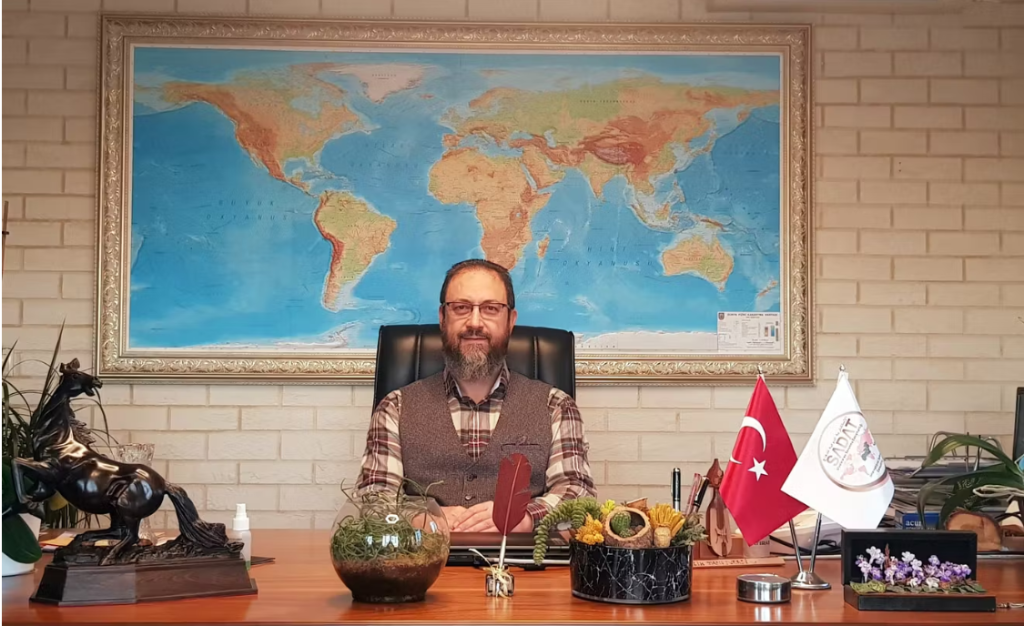
First, the Africa Corps, a rebranded Russian security apparatus, is suspected of deploying around 350 personnel in Togo, according to reports cited by the coalition. Second, Turkey’s SADAT, a private military firm linked to Ankara, is accused of supplying technical support, training, or operational guidance to local forces. To date, no government in Lomé, Moscow, or Ankara has confirmed these figures or provided formal verification, fueling speculation over their actual roles—whether as technical advisors, intelligence specialists, or combat units engaged in active operations.
Sovereignty, legality, and financial stakes
The opposition does not outright reject strategic partnerships for national defense but highlights critical governance and legal gaps they believe undermine state authority.
Command and legal compliance
The alliance demands strict guarantees that any foreign personnel operate under the direct authority of Togo’s Armed Forces (Forces armées togolaises, FAT) and adhere to national and international laws. Without clear chains of command, they warn of potential violations of sovereignty and legal norms.
Civil liberties at risk
A major concern is the potential for foreign forces to be involved in domestic policing, targeted arrests, surveillance, or intimidation of civilians and political figures. The coalition insists such activities violate constitutional protections and democratic principles.
Financial transparency
The public remains in the dark about the financial burden these security contracts place on taxpayers. With no parliamentary debate or budgetary oversight on these expenditures, the opposition is calling for greater citizen oversight of public funds allocated to foreign security arrangements.
Faure Gnassingbé’s strategic pivot
While the government has not yet responded publicly to the July 20 statement, the deployment aligns with a broader diplomatic realignment under President Gnassingbé. Over recent years, Togo has diversified its defense partnerships to reduce reliance on traditional Western allies, particularly in the face of Sahel instability.
Key milestones include a 2021 military cooperation agreement with Turkey, resulting in the delivery of Bayraktar TB2 combat drones critical for border surveillance. Concurrently, strengthened ties with Russia have facilitated military intelligence sharing, officer training, joint exercises, and access to logistical infrastructure. These initiatives are now formally embedded in the Togo-Sahel Strategy 2026–2028, a government roadmap aimed at deepening security cooperation with foreign partners to counter jihadist advances toward the Atlantic coast.
Why national debate is essential
The question of foreign troop deployments transcends technical military decisions. In a Sahel region marked by political upheaval and shifting alliances, transparency is not just desirable—it is essential for stability. For Togo’s civil society and opposition, national security must not be negotiated in secrecy. An open parliamentary or public debate would clarify legal frameworks, address public concerns, and prevent security collaborations from becoming a source of internal political friction. The government’s response remains eagerly anticipated by a concerned citizenry.