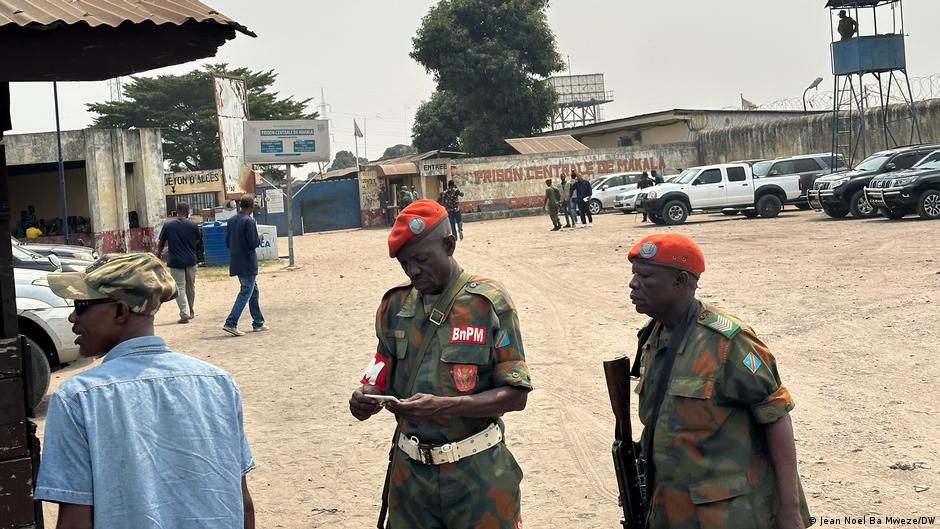
Kinshasa — The National Council for Monitoring the Agreement and Electoral Process (CNSA) in the Democratic Republic of the Congo (DRC) has launched a comprehensive review of political and opinion prisoners, a move seen as a critical step toward fostering an atmosphere conducive to the upcoming inclusive national dialogue.
This initiative, which follows the recent announcement of the prisoner census, underscores the CNSA’s commitment to fairness and transparency. By compiling a detailed list of detainees, the council aims to address long-standing grievances and pave the way for meaningful reconciliation among Congolese stakeholders.
The CNSA’s leadership has emphasized that justice must be blind, declaring that “the law knows no color”. Joseph Olenghankoy, CNSA president, highlighted the urgency of ensuring detainees are either swiftly brought before their natural judges or released, noting that many have already spent months in detention without formal charges. “Our duty is to escalate these concerns to the appropriate authorities so that legal hurdles do not obstruct the path to dialogue,” he stated.
Amnesty prospects for prominent figures
The council’s review process is examining cases of individuals who may qualify for amnesty, including high-profile political figures. Among those potentially affected are Aubin Minaku and Emmanuel Ramazani Shadary, key members of former President Joseph Kabila’s People’s Party for Reconstruction and Democracy (PPRD). Their possible inclusion in the CNSA’s list has sparked cautious optimism within their political circles.
Lucain Kasongo, a PPRD cadre, welcomed the initiative, stating, “If this effort by the CNSA can secure the release of our detained comrades—including Minaku, Shadary, and others—it deserves our full support. Any initiative that aligns with this goal is commendable.”
Human rights groups call for broader clemency
The push for prisoner releases has gained momentum, with Justicia ASBL, a prominent human rights organization, submitting a dossier to the Minister of Justice. The document lists nearly 100 individuals identified as political or opinion prisoners, urging their immediate release to foster trust ahead of the national dialogue.
Timothée Mbuya, coordinator of Justicia ASBL, stressed the need to address even the most contentious cases, including those of former President Joseph Kabila and Corneille Nangaa, the M23 rebel coalition’s coordinator, both of whom face death sentences. “Political measures must be taken to annul these convictions,” Mbuya argued. “Removing these legal barriers is essential to building the confidence required for a successful inclusive dialogue.”
Path forward remains uncertain
While the CNSA’s initiative has been met with cautious approval, questions linger about its potential impact. As calls for a broad-based dialogue grow louder across the DRC, the effectiveness of these preemptive measures—particularly in securing tangible releases—will determine whether they succeed in easing tensions before the talks begin.

More Stories
Can Benin’s AEO-certified firms truly break into the Chinese market without friction?
Can Niamey’s promises reach northern Niger, where darkness and thirst persist?
Air Senegal under the microscope: can crew members unwittingly become drug smugglers’ pawns?