
Côte d’Ivoire’s electoral reform: building a united path forward
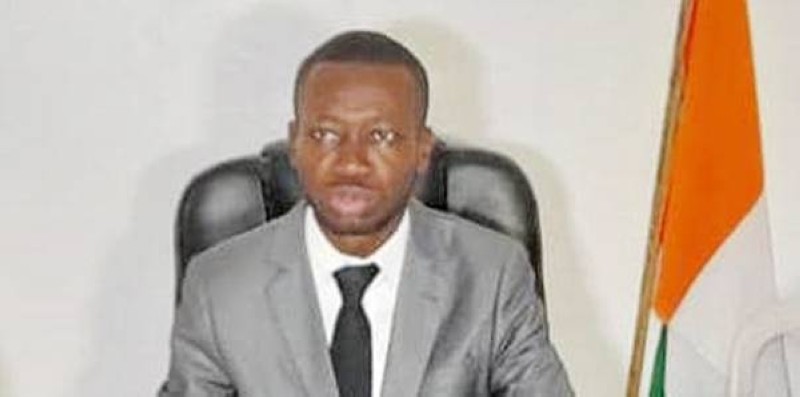
Jean-Martial N’Guessan, Chair of the 2PFJ Board, outlines a vision for sustainable electoral reform through national consensus.
The Plateforme panafricaine des femmes et des jeunes pour la paix, la démocratie et la gouvernance (2PFJ) has issued a strong call for an inclusive, participatory, and constructive political dialogue to guide Côte d’Ivoire’s electoral reform process. This appeal was formalized in an official statement delivered to national stakeholders on 21 July 2026, emphasizing the urgent need for reforms that restore public trust in the electoral system.
The 2PFJ stresses that any meaningful electoral reform must begin with a clear and honest assessment of the country’s socio-political landscape—a landscape still scarred by past crises. According to the organization, the reform of electoral governance is not a technical exercise but a foundational step toward rebuilding democracy. It cannot be reduced to a one-off informational session but must evolve into a structured negotiation framework that engages all vital sectors of Ivorian society.
From dialogue to durable institutions
The platform proposes the creation of joint technical commissions, bringing together the government, opposition groups, and civil society representatives. These bodies would be tasked with defining the competencies, financial autonomy, and independence of the new electoral institutions—or any alternative governance model adopted by consensus. The goal is to ensure that the institutions managing future elections are not only transparent but also widely accepted by all political actors.
Key conditions for success
2PFJ underscores that trust is the cornerstone of successful negotiations. In this spirit, the platform advocates for:
- The immediate release of all individuals detained on politically motivated grounds;
- The safe and dignified return of exiles who wish to participate in the national dialogue;
- A deliberate and meaningful inclusion of women and youth organizations in the governance of electoral processes.
These measures, the organization believes, would create an environment conducive to open and sincere discussions, ultimately fostering a culture of civic vigilance and peaceful engagement.
Learning from the past, building the future
While acknowledging the deep wounds left by previous electoral crises, 2PFJ points to Côte d’Ivoire’s history of resilience. The platform recalls how Ivoirians have consistently risen above political divisions when confronted with national challenges. This moment, it argues, presents a historic opportunity to unite around a shared vision: a more stable, peaceful, and prosperous Côte d’Ivoire.
The call for reform comes at a pivotal time. Following the dissolution of the former Independent Electoral Commission (CEI) in mid-2026, the government convened a major consultative meeting on 22 June 2026, chaired by Prime Minister Robert Beugré Mambé. The session, described as an expanded information forum, brought together political parties, civil society groups, and other stakeholders to explore pathways for sustainable electoral reform.



More Stories
Niger and ECOWAS: breaking the diplomatic deadlock
Gabon: former prime minister’s lawyers challenge ‘arbitrary’ detention over old dispute
Adama Bictogo lance une tournée politique à Yopougon avant la Fête de l’Indépendance