
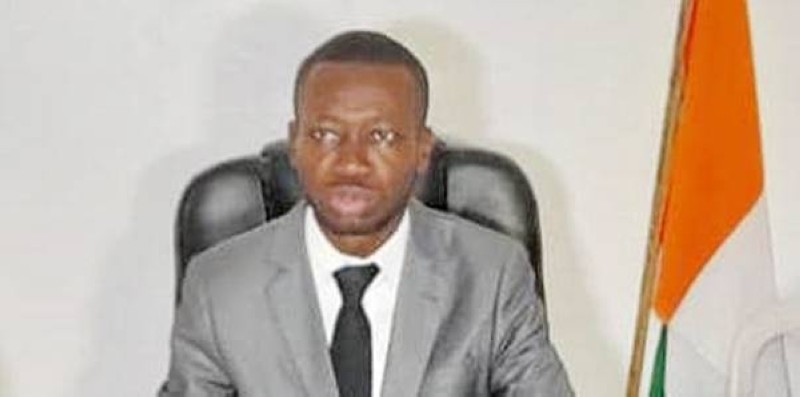
The Plateforme panafricaine des femmes et des jeunes pour la paix, la démocratie et la gouvernance (2Pfj) is urging authorities in Côte d’Ivoire to launch a broad, inclusive political dialogue to drive sustainable electoral reforms. This call comes in a formal statement issued on Tuesday, July 21, 2026.
According to the platform, any reform touching the core of Ivorian governance and democratic foundations must go beyond routine briefings. It stresses the need for a candid assessment of the country’s socio-political landscape, which has been scarred by recurring crises. The 2Pfj insists that the electoral governance reform process should evolve into a structured national negotiation platform, bringing together all key stakeholders.
building consensus for credible electoral institutions
The organization advocates for the creation of joint technical commissions, uniting government representatives, opposition leaders, and civil society actors. These bodies would be tasked with defining the mandates, financial autonomy, and independence of the proposed new electoral oversight bodies—or any alternative institutional framework under consideration.
In a bold move, the 2Pfj’s statement, signed by Jean-Martial N’Guessan, Chair of the platform’s board, emphasizes the essential role of trust in shaping constructive discussions. It calls for the release of individuals detained on politically motivated grounds and the safe return of exiles, ensuring a level playing field for all participants.
gender and youth inclusion as pillars of electoral integrity
The platform also highlights the importance of meaningful representation for women and young people in future electoral bodies. This inclusion, it argues, will strengthen citizen oversight and foster a peaceful, inclusive electoral environment. The 2Pfj points to Côte d’Ivoire’s history of overcoming divisions when national unity is at stake, suggesting that the current reform presents a chance to unite citizens under a shared vision of stability and prosperity.
The call for dialogue follows the dissolution of the former Independent Electoral Commission (CEI) and a major government-led consultation held on June 22, 2026. That session, led by Prime Minister Robert Beugré Mambé, gathered political parties and civil society groups to explore electoral system reforms and chart a path toward lasting solutions.



More Stories
Sahel: escalating pressures confront military authorities in Burkina Faso and Niger
Cameroon’s economic prospects face headwinds as Hilli Episeyo departs
Gabon and IMF forge ahead with 2026 financial cooperation plan