
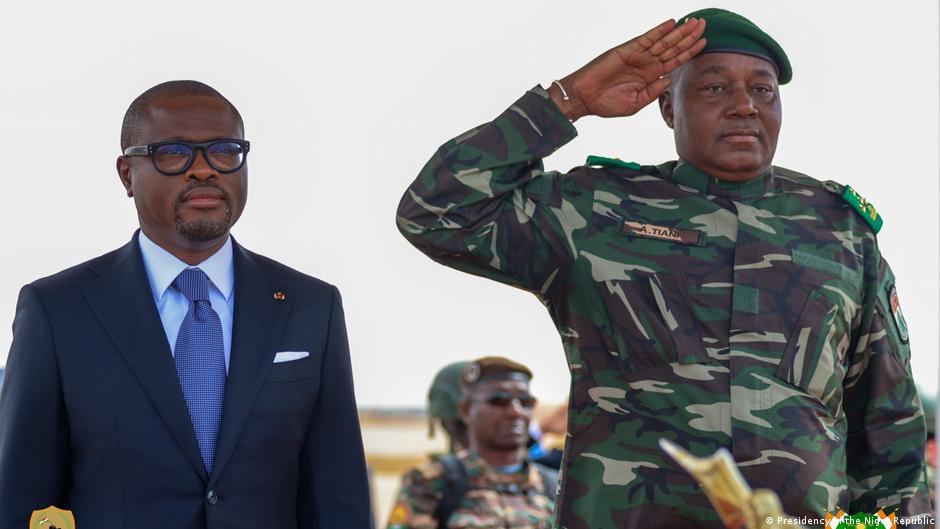
Niger and ECOWAS: breaking the diplomatic deadlock
When the military took control of Niger on July 30, 2023, ECOWAS responded with immediate condemnation and sanctions. The regional bloc demanded the reinstatement of President Mohamed Bazoum and even threatened military intervention. This stance was met with fierce opposition from neighboring Burkina Faso and Mali, both under military rule, which condemned the ultimatum as a declaration of war.
The three nations—Niger, Burkina Faso, and Mali—later formed the Alliance of Sahel States, marking a definitive break from ECOWAS. Their withdrawal from the bloc was formalized in January 2025, yet cautious dialogue persists between the two sides.
Lansana Kouyaté steps in as mediator
Pape Ibrahima Kane, an expert in international organizations, highlights a recent breakthrough: ECOWAS has appointed former Guinean Prime Minister Lansana Kouyaté as the lead negotiator with the Alliance of Sahel States. The July 18, 2026, ECOWAS summit in Freetown tasked the new Commission President, Birame Diop of Senegal, with prioritizing regional security discussions.
“This marks the beginning of a highly promising process. Both parties are aligned and ready to engage in meaningful dialogue,” Kane explains. He emphasizes Niger’s unique position, heavily reliant on Nigeria and Benin for electricity and access to the Port of Cotonou. Kane believes Kouyaté will address these critical dependencies while navigating the broader tensions between the Alliance and ECOWAS.
Romuald Wadagni takes the lead in easing tensions
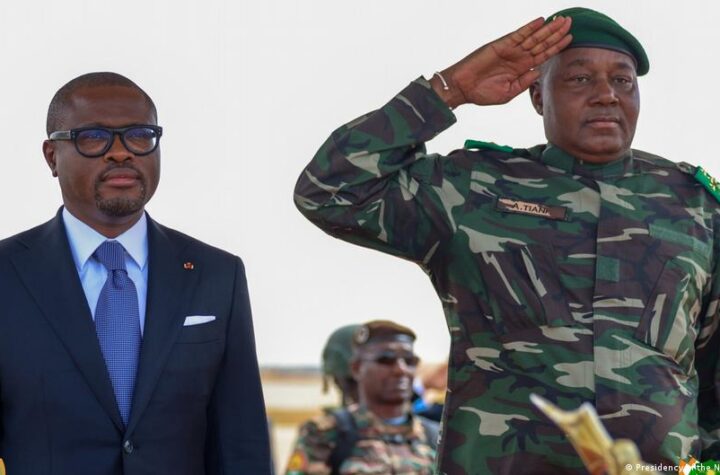
Further easing of diplomatic tensions comes with the appointment of Bassirou Diomaye Faye as ECOWAS Chair, alongside the rise of Romuald Wadagni in Benin. Faye visited the Alliance states shortly after his election, while Wadagni prioritized Niger in his first foreign trip after assuming office, followed by visits to Burkina Faso and Mali.
Kane notes that Faye and Wadagni are better positioned than previous leaders, who were often criticized for their policies. “A new team is taking shape in Abuja, with fresh approaches that differ from past strategies,” he observes.
Sahanine Mahamadou, Special Advisor to Mohamed Bazoum and head of the Customary, Religious, Social, and Humanitarian Affairs Unit, remains skeptical. He argues that ECOWAS has consistently sought dialogue, while the military leadership has resisted. “If these leaders are truly patriotic, they must find a way to transition power back to civilians. Military rule is outdated in our region.”
Mahamadou’s remarks subtly reinforce calls for Bazoum’s return, despite his continued detention. In March, the European Parliament passed a resolution condemning Niger’s military leadership for Bazoum’s imprisonment and demanding his immediate release. Niamey dismissed the resolution as interference and paternalism.
Mohamed Bazoum’s fate hangs in the balance
Jérôme Pigné, founder of the Sahel Strategic Security Think Tank, highlights the EU’s dilemma: balancing its principles with the need for dialogue. “Bazoum’s detention remains a hurdle, but Europe must clarify its objectives. Is it willing to compromise its values for realpolitik? It’s a precarious balancing act—no solution has emerged yet.”
Pigné points out that Niger has long been a key EU partner. Europe is now reassessing its cooperation framework with Niger and its neighbors, emphasizing the necessity of dialogue. A March report by the German Institute for International and Security Affairs (SWP) suggests Europe could offer substantial support to stabilize the region’s military regimes. Proposed measures include military cooperation, intelligence sharing, security training, and investments in economic development.
The SWP report advises Europe to continue political dialogue with local actors while acknowledging that behavioral change among the juntas may not be immediate. “Europe should not expect swift shifts in the juntas’ conduct,” it concludes.
More Stories
Côte d’ivoire electoral reform: 2pfj urges broad inclusive dialogue
Gabon: former prime minister’s lawyers challenge ‘arbitrary’ detention over old dispute
Adama Bictogo lance une tournée politique à Yopougon avant la Fête de l’Indépendance