
Nigeria’s renewed endorsement of the Sahrawi Arab Democratic Republic (SADR) marks a strategic move that extends beyond routine diplomatic gestures. By reaffirming its commitment to self-determination, decolonization, and respect for colonial-era borders, Abuja sends a clear political message to Rabat, challenging Morocco’s narrative that the Western Sahara conflict is closed.
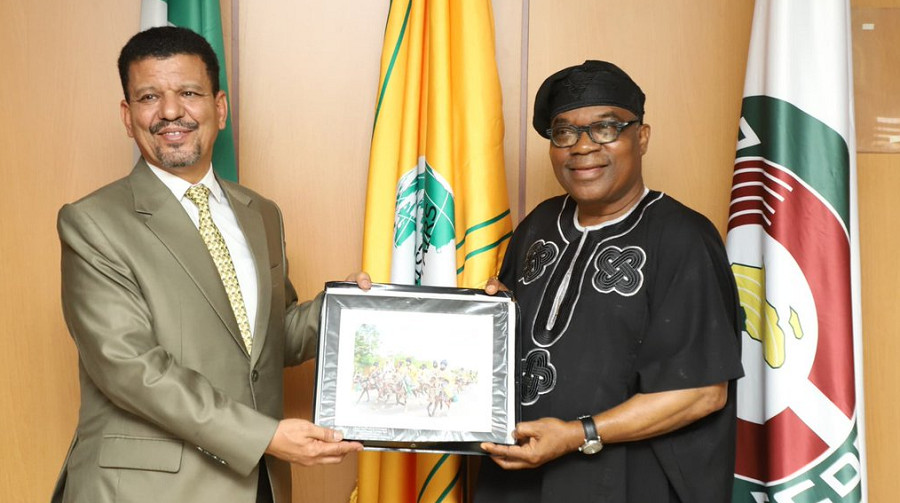
The recent visit of Mohamed Yeslem Beissat, special envoy of SADR President Brahim Ghali, to Nigeria—where he met with President Bola Ahmed Tinubu—underscored the depth of ties between the two nations. Their discussions highlighted a shared dedication to strengthening bilateral cooperation while upholding the foundational principles of the African Union, which prioritize the right of peoples to self-determination.
This stance carries significant weight in the context of Morocco’s ambitious regional energy projects, particularly the proposed Nigeria-Morocco gas pipeline. For years, Rabat has promoted this initiative as a cornerstone of West African energy integration. Yet Nigeria’s unwavering support for SADR exposes a stark contradiction: despite claims of economic partnership with Morocco, Abuja has never wavered on its political stance regarding Western Sahara.
The political clarity from Nigeria dismantles Morocco’s attempts to frame the gas pipeline as a symbol of broader alignment between the two nations. While the project is frequently cited in official statements, its feasibility remains questionable due to exorbitant costs, security risks, financing hurdles, and the impractical scale of the proposed route. In this light, Nigeria’s consistent recognition of SADR serves as a definitive rebuttal to narratives suggesting a diplomatic shift toward Rabat.
Beyond bilateral relations, SADR’s diplomatic efforts continue to gain traction across Africa. As a founding member of the African Union, the Sahrawi state maintains a proactive approach to consolidating support among member states. Recent engagements with multiple African capitals reinforce the continent’s historical consensus on the decolonization of Western Sahara and the resumption of UN-led political negotiations. These interactions underscore a collective African position: the Western Sahara question remains an unresolved matter of decolonization under international law.

More Stories
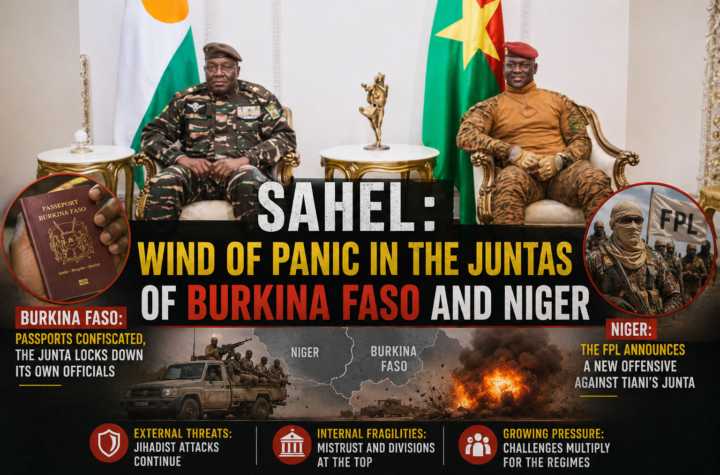
Sahel: escalating pressures confront military authorities in Burkina Faso and Niger
European union ambassador reflects on a ‘strongly growing’ Togo partnership
Togo and european union partnership: significant growth hailed as ambassador jones concludes mission