
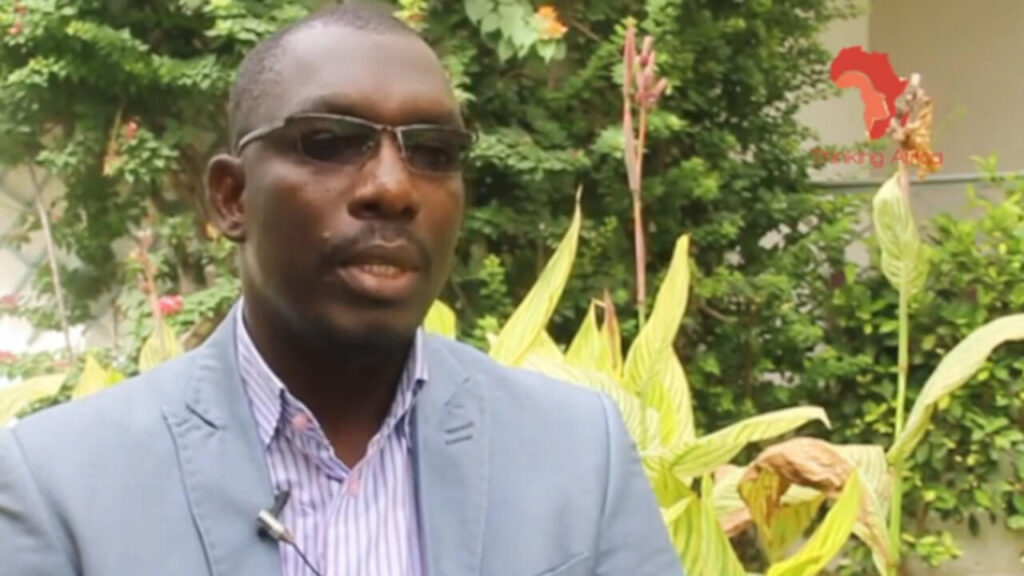
Following a contentious electoral cycle that saw the ruling Rassemblement des Houphouëtistes pour la Démocratie et la Paix (RHDP) secure over three-quarters of parliamentary seats, Côte d’Ivoire stands at a crossroads. President Alassane Ouattara clinched a fourth term amid protests, while traditional opposition figures like Henri Konan Bédié and Laurent Gbagbo saw their influence wane. The Parti Démocratique de Côte d’Ivoire (PDCI) lost half its deputies, and the Parti des Peuples Africains – Côte d’Ivoire (PPA-CI) boycotted the vote entirely. As the political landscape shifts, sociologist and researcher Dr. Séverin Kouamé examines whether the decades-long dominance of these three icons signals the end of an era.
can laurent gbagbo’s era survive his health decline?
RFI: Over the weekend, the PPA-CI confirmed plans to hold its first congress in May—but crucially, Laurent Gbagbo remains at the helm despite health concerns and the sidelining of key figures like Stéphane Kipré and Ahoua Don Mello. Is this the beginning of the end for the historic opposition leader’s era?
Dr. Séverin Kouamé: Gbagbo’s physical condition is undeniable. While his era may be drawing to a close, the conversation demands deeper reflection. Gbagbo himself has expressed a desire to step back after decades as a pivotal opposition figure under Houphouët-Boigny and a champion of multiparty democracy. The real challenge now lies in identifying someone capable of carrying forward the struggle he has led for over thirty years.
The question isn’t just about his health—it’s about the future of a political legacy built on identity-based mobilisation and entrenched divisions. Côte d’Ivoire’s electorate has evolved, with younger voters increasingly disillusioned by traditional politics. Can the left’s new movements, like Simone Ehivet’s Mouvement des Générations Capables—which failed to win a single seat despite allying with Charles Blé Goudé’s Cojep and the PDCI—regain momentum?
why traditional opposition parties are losing ground
Emerging formations like the MGC are still in their formative stages; trust and electoral support are built over time. Today’s voters, particularly those aged 18–35, are disengaged from electoral politics. This isn’t just a left-wing issue—it reflects a broader crisis within the entire political class. How can we reignite enthusiasm for democracy?
For years, politicians have relied on fear and identity-based rhetoric: “Only through those in power can you secure roads, schools, and stability.” But this approach no longer resonates with a generation that demands tangible results rather than promises tied to ethnic or regional affiliations.
The PDCI, once Côte d’Ivoire’s dominant party, has similarly struggled. Divisions within the party and the prolonged absence of its new leader, Tidjane Thiam, contributed to a dramatic loss of half its deputies in five years—evidence that the party hasn’t recovered from the death of its charismatic former leader, Henri Konan Bédié.
Is the PDCI capable of reinvention? What does it offer today beyond an outdated strategy of locking in an “Akan electorate“? Voters today seek something different—a break from historical legacies and the expectation that a single name alone can mobilise support. That no longer suffices.
the rhdp’s dominance and the crisis of leadership renewal
The ruling RHDP has never been more powerful, yet even here, no figure has emerged to unite the party behind a new vision—despite President Ouattara’s advanced age. Isn’t this a sign that Côte d’Ivoire’s political system, long centred around Ouattara, Gbagbo, and Bédié, is entering a new chapter?
Dr. Séverin Kouamé: The difficulty in identifying fresh leadership reveals a systemic crisis. The old model of governance and political mobilisation is obsolete. The evidence? Record-low voter turnout, even in traditional strongholds. The political class is failing to adapt to changing expectations.
Independent candidates have surged in recent legislative elections, though few secured seats. Could this reflect a broader shift led by a youth-driven movement determined to assert ideas outside the traditional party framework? And what role might civil society play in reshaping Côte d’Ivoire’s political future?
These independents deserve credit for trying. Many are entrepreneurs who have proven their value to communities over a decade or more. Their success lies in building trust independently—without relying on the “I’m here because the president or party sent me” narrative. They’ve shown that self-driven leadership can resonate with voters when it delivers real impact.
The old guard is fading. The question is whether Côte d’Ivoire’s political class can rise to the challenge—or if the future belongs to a new generation.
More Stories
Waly Diouf Bodian responds to Mary Teuw Niang: ‘we do not respect those who do not respect Ousmane Sonko’
Ousmane Sonko’s firm stance on Senegal’s FMI agreement demands full transparency
Senegal’s institutional crossroads: the unfolding dynamic between Ousmane Sonko and Bassirou Diomaye Faye