
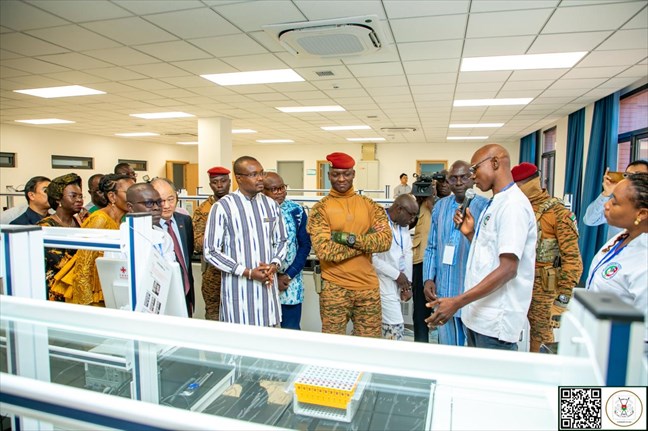
In the West African economic landscape, the Burkina Faso is emerging as a standout performer in healthcare investment. For the 2026 fiscal year, Ouagadougou has earmarked a remarkable 11% of its total public expenditure for health, translating to 388 billion West African CFA francs out of a budget of 3,432 billion. This allocation significantly outpaces regional peers and represents a bold step toward meeting international health financing targets.
While the West African Economic and Monetary Union (UEMOA) continues to grapple with uneven health financing across its member states, Burkina Faso’s commitment positions it as a regional leader in public health investment. The 11% allocation not only exceeds the average for UEMOA countries but also reflects a strategic prioritization of healthcare infrastructure, disease prevention, and medical accessibility.
Regional comparison and global health benchmarks
The 2026 health budget in Burkina Faso stands in stark contrast to allocations in neighboring UEMOA countries. While exact figures vary, most regional governments typically dedicate between 6% and 9% of national budgets to health. Burkina Faso’s decision to allocate over 10% signals a clear intent to strengthen its health system, particularly in response to ongoing public health challenges and the need for resilient healthcare delivery.
This level of investment also brings the country closer to global health financing recommendations. The World Health Organization (WHO) suggests that countries allocate at least 15% of their national budgets to health to achieve sustainable development goals. Burkina Faso’s 2026 budget, while not yet meeting this benchmark, represents a significant stride in the right direction.
Economic and social implications
The increased health spending in Burkina Faso is expected to have wide-ranging benefits. Among the most immediate impacts will be improved access to essential medical services, enhanced disease surveillance, and stronger public health programs. Over the medium to long term, these investments could contribute to lower mortality rates, better maternal and child health outcomes, and greater resilience against health crises such as pandemics or regional epidemics.
Economically, this allocation may also stimulate growth in the health sector, creating jobs and fostering innovation in medical technology and services. For a country like Burkina Faso, where public health challenges remain significant, such a commitment signals both political will and a forward-looking vision for development.
UEMOA context: progress and disparities
Within the UEMOA zone, health financing remains uneven. While Burkina Faso leads the way, other member states continue to face constraints due to limited fiscal space, competing priorities, and external economic pressures. The disparity in health budgets reflects broader economic inequalities within the union and underscores the need for coordinated regional strategies to improve health outcomes across West Africa.
Despite these challenges, Burkina Faso’s 2026 health budget serves as a model for other UEMOA nations. It demonstrates how strategic public investment—even within fiscal constraints—can prioritize human development and lay the groundwork for a healthier, more prosperous future.
More Stories
Togo’s enduring power question: Faure Gnassingbé and the shifting architecture of rule
Educational decay overshadows symbolic cartography in Togo
Mali’s year-long fuel blockade: the economic stranglehold that exposes the junta’s weakness