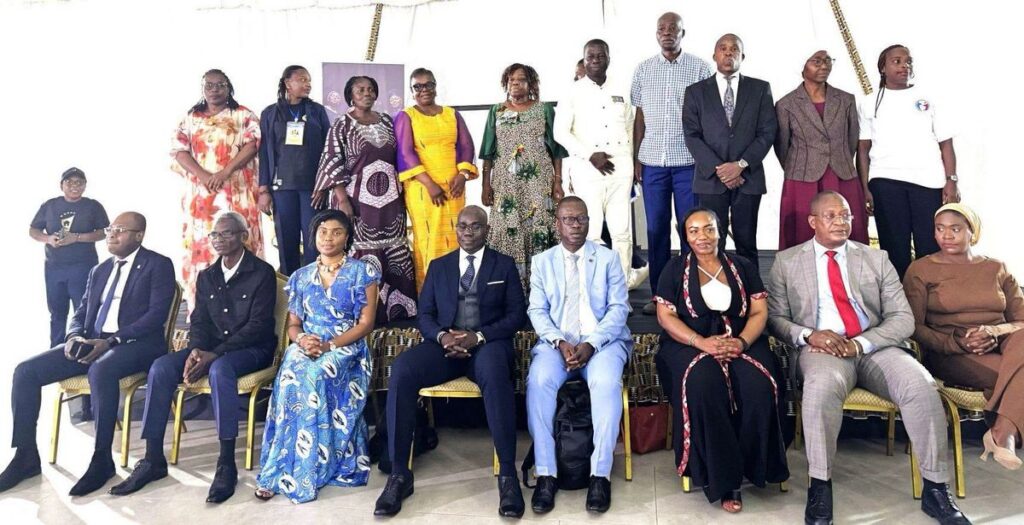
Côte d’Ivoire is making significant strides in transforming the domestic work sector, a vital yet often overlooked component of the national economy. Government officials have renewed their commitment to formalizing this industry, ensuring fair labor practices and social protections for thousands of workers who power households across the country.
Government leads push for decent work standards
During the inaugural DOMEX Awards ceremony in Abidjan-Cocody on June 16, 2026, Maurice Grah, Deputy Director of Studies and Social Security Development, spoke on behalf of the Minister of Employment, Social Protection and Vocational Training. He highlighted the government’s renewed pledge to elevate domestic work from its current informal status to a recognized profession with proper safeguards.
This landmark event coincided with the 15th anniversary of the International Labour Organization’s Convention No. 189, which Côte d’Ivoire officially adopted in 2026 following its ratification in April 2025. The convention establishes fundamental labor rights for domestic workers, aligning their protections with those of other employees.
Grah emphasized the long-standing challenges in the sector: « For decades, domestic work has been undervalued and informal, leaving workers vulnerable to exploitation and devoid of essential social protections. » He underscored that the government has prioritized decent work, social inclusion and expanded social security coverage as national imperatives.
Concrete reforms shaping a fairer sector
The transformation agenda includes several groundbreaking initiatives:
- A national study conducted in 2024 to map the sector’s landscape and identify key gaps.
- The development of ten standardized training and certification programs in 2025 to enhance professional skills.
- Ongoing efforts to draft a dedicated regulatory framework, including standardized contracts, professional classifications and fair wage scales that comply with decent work principles.
Adama Kamara, another senior official, noted that these measures reflect a long-term commitment to improving livelihoods and working conditions for domestic workers in Côte d’Ivoire.
Industry stakeholders unite for change
Noëlie Kotty, the ILO Country Director’s representative and coordinator of the AGRIDOM project, praised the government’s progress in ratifying Convention No. 189 and advancing sector formalization. She described the DOMEX Awards as a pivotal platform for celebrating the contributions of domestic workers while advocating for their rights.
Annick Désirée Dogba, founder and president of the Household Workers’ Association, delivered a poignant appeal for urgent reforms. « Our working conditions demand immediate attention, » she stated. « We face persistent challenges that must be addressed to secure a dignified future for this profession. »
The ceremony brought together representatives from the Chamber of Commerce and Industry of Côte d’Ivoire (CGECI), trade unions such as DIGNITÉ, private employment agencies and domestic workers themselves, signaling broad-based support for the reforms.