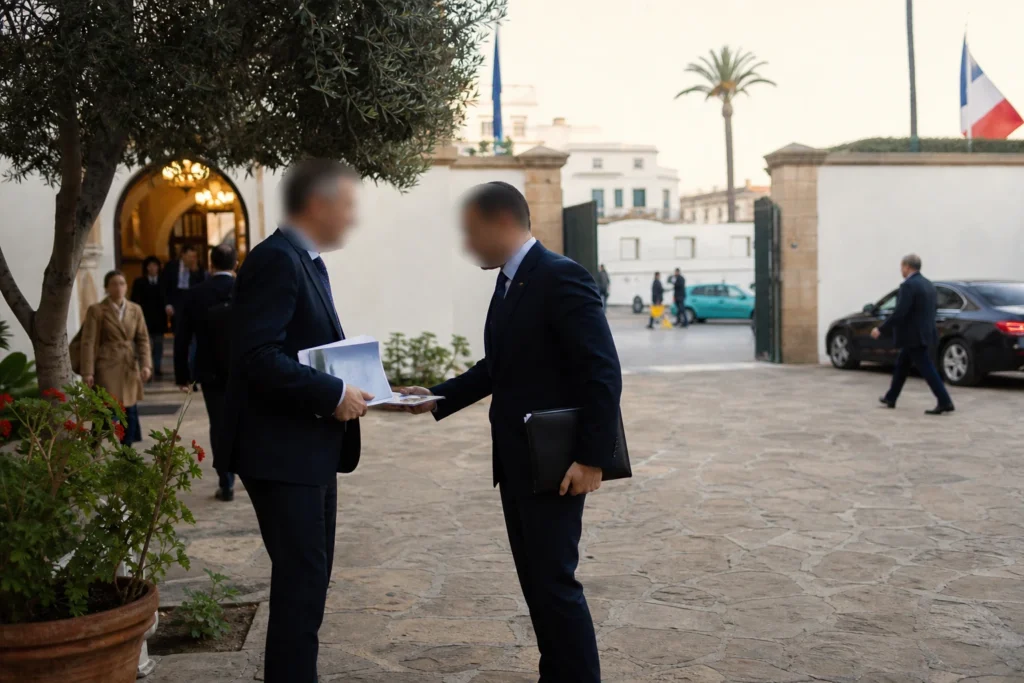
Sébastien Lecornu’s inaugural overseas journey as Prime Minister marks a significant moment in French diplomacy. His itinerary—first to Doha, then to Rabat—sends a clear message about France’s evolving priorities on the international stage. The trip underscores the importance of two key partners: Qatar in the Gulf and Morocco in North Africa.
a symbolic yet strategic first stop
The choice of Qatar as the first destination is no coincidence. Beyond the formalities of a courtesy visit, it carries deep diplomatic weight. The occasion? Paying respects following the passing of Qatar’s former Emir, Sheikh Hamad bin Khalifa Al Thani. The visit was led by Lecornu alongside Jean-Yves Le Drian, a seasoned diplomat with extensive experience in Gulf affairs, signaling continuity in French foreign policy.
This relationship extends beyond symbolism. With roughly 6,000 French expatriates living in Qatar and robust economic ties—particularly in aviation and defense—the two nations share a partnership built on mutual interests. In a region marked by instability, maintaining strong ties with Doha ensures France retains a reliable channel for dialogue and influence.
Morocco takes center stage in a high-stakes visit
The real test of Lecornu’s diplomatic strategy unfolds in Rabat. The visit is the first high-level meeting between French and Moroccan officials since 2019, signaling a deliberate effort to strengthen bilateral relations. A delegation of twelve French ministers, including key figures like Jean-Noël Barrot and Laurent Nuñez, accompanies the Prime Minister, reflecting the seriousness of the mission.
The timing is no accident. Since summer 2024, France has shifted its stance on the Western Sahara conflict, endorsing Morocco’s autonomy plan as the only viable solution. This decision, which drew sharp criticism from Algeria, marked a turning point in Franco-Moroccan relations. During a state visit by President Macron in October 2024, both nations signed a declaration for an “enhanced exceptional partnership,” accompanied by over €10 billion in economic agreements.
For Morocco, the stakes are high. French support bolsters Rabat’s diplomatic position on Western Sahara, a cornerstone of its foreign policy. For France, the benefits are twofold: securing a leading role in a strategic market and reasserting influence in a country where it has long held significant sway.
diplomatic tensions cast a shadow
Yet, this rapprochement has not come without consequences. Algeria, a long-standing rival of Morocco, reacted strongly to France’s stance on Western Sahara, going so far as to recall its ambassador from Paris. The move underscored the depth of the rift and highlighted the delicate balance France must strike in the Maghreb. While strengthening ties with Rabat, Paris must tread carefully to avoid further alienating Algiers.
The Western Sahara issue remains a flashpoint. Critics, including the Polisario Front, argue that France’s support for Morocco’s autonomy plan legitimizes an occupation they view as illegitimate. Paris, however, frames its position as a pragmatic step toward negotiation rather than a final resolution.
what’s next for french diplomacy?
The success of Lecornu’s mission hinges on two critical outcomes. First, the tangible results of the discussions in Rabat—whether in economic cooperation, security, migration, or other key areas. Second, the potential visit of Morocco’s King Mohammed VI to France, a move that could solidify the new partnership as a formal treaty.
Ultimately, the trip sets the tone for France’s diplomatic strategy moving forward. While Lecornu’s visit alone won’t resolve long-standing tensions in the Maghreb, it clearly signals Paris’s chosen path—a path that prioritizes Morocco while leaving room for future engagement with Algeria.