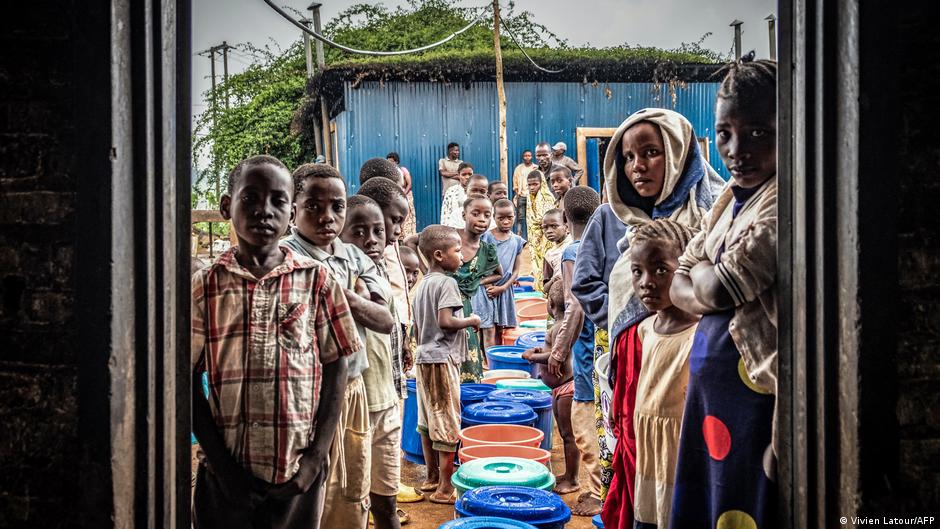
The eastern regions of the Democratic Republic of the Congo (DRC) remain engulfed in a crisis where international humanitarian law is increasingly disregarded. Despite repeated pledges from authorities and international partners, civilians continue to bear the brunt of escalating violence, with armed groups multiplying unchecked.
The International Committee of the Red Cross (ICRC) has intensified its calls for stricter adherence to these critical legal frameworks. In a recent initiative, the organization convened a high-level conference in Kinshasa on July 23 to address the growing humanitarian emergency and emphasize the urgent need for compliance with humanitarian norms.
Civilian suffering escalates amid legal neglect
The conflict zones in North Kivu, South Kivu, Ituri, and Tanganyika provinces have become hotspots for violations, where the distinction between combatants and non-combatants is frequently blurred. The consequences are dire, particularly for women and children, who face disproportionate risks.
Human rights advocate Julienne Lusenge highlights the staggering toll of sexual violence, describing it as a systemic issue that targets millions. “Every minute, women, girls, and children—and yes, even some men—suffer these horrors,” she notes. Lusenge stresses the necessity of international sanctions to hold perpetrators accountable, lamenting the absence of prosecutions for such crimes despite their prevalence.
“Without consequences, these atrocities will persist,” she warns. “The international community must step up to ensure justice is served.”
Military justice takes action, but challenges remain
The Congolese military judiciary has acknowledged its role in addressing violations, with High Military Court magistrate General Jean-Paul Tshayikolo affirming that legal proceedings serve both punitive and educational purposes. “While no system is perfect, our military justice system actively pursues accountability,” he states. “Every verdict not only punishes the guilty but also deters others from committing similar acts.”
However, the scale of impunity remains a significant hurdle. With over 200 armed factions operating in the region, identifying and prosecuting violators is a daunting task. The fluid alliances among these groups further complicate efforts to enforce legal standards and protect civilians.
Fragmented conflict zones hinder justice
The proliferation of armed groups has created a labyrinth of shifting loyalties, making it nearly impossible to pinpoint responsibility for violations. This fragmentation undermines efforts to establish dialogue, enforce sanctions, and uphold international humanitarian law.
The situation is exacerbated by the blurred lines between civilian and combatant roles, which obstruct judicial processes and perpetuate a cycle of unchecked violence. Without decisive action, the humanitarian crisis in eastern DRC shows no signs of abating.
More Stories
What price did Niger’s junta pay for survival after the August mutiny?
Will Benin’s 6.6 billion FCFA CCI budget for 2027 actually deliver for small businesses?
Can Ousmane Sonko and Sadio Mané’s Bambali agro park truly transform Sédhiou?