
Elections across Africa in 2025 have increasingly resembled predetermined outcomes rather than competitive processes. “Rigged from the start,” “lacking suspense,” “incumbent presidents securing first-round victories.”
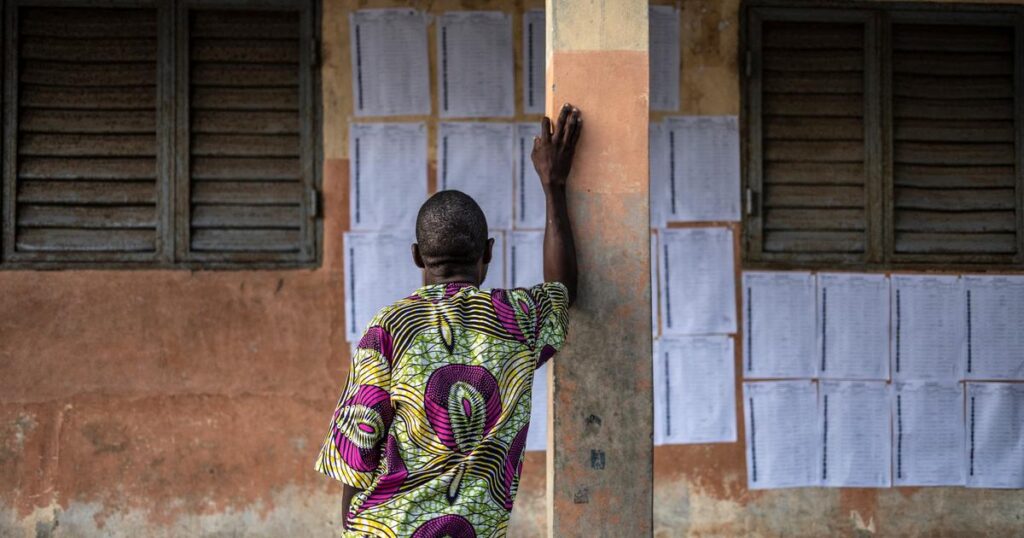
Recent presidential polls in Djibouti on April 10 and Benin on April 12 perfectly illustrate this pattern. In Djibouti, incumbent President Ismaïl Omar Guelleh claimed 97.8% of the vote to secure a sixth term. In Benin, Romuald Wadagni— Patrice Talon’s designated successor— cruised to victory with 94% of ballots, rendering the opposition virtually nonexistent.
Financial barriers crush opposition hopes
While security concerns and political repression played roles in Djibouti, the most decisive obstacle emerged in the form of “exorbitant nomination fees.” Prominent opposition leader Alexis Mohamed ultimately withdrew, citing both safety fears and the prohibitive cost of candidacy. Observers condemned the process as “a purely ceremonial exercise,” where financial hurdles replaced genuine competition.
This phenomenon extends well beyond Djibouti and Benin. Across the continent, candidates face progressively steeper campaign costs that systematically exclude grassroots opposition figures. From registration deposits to mandatory deposits in multiple currencies, the barriers often exceed the financial means of independent contenders.
In Benin, for instance, aspiring candidates must deposit 10 million CFA francs—an amount so steep that it effectively eliminates all but the wealthiest or most politically connected applicants. The requirement mirrors similar trends in other African nations where election regulations appear designed to favor established elites while marginalizing alternative voices.
Democracy’s price tag
The consequences are stark: elections lose their competitive edge, public trust erodes, and political landscapes calcify around entrenched power structures. When only candidates backed by substantial wealth or ruling-party connections can participate, the fundamental principle of democratic choice becomes a hollow promise.
As these financial barriers multiply, the African political scene risks becoming an exclusive club where only the affluent—or those willing to align with the status quo—can claim a place on the ballot.