
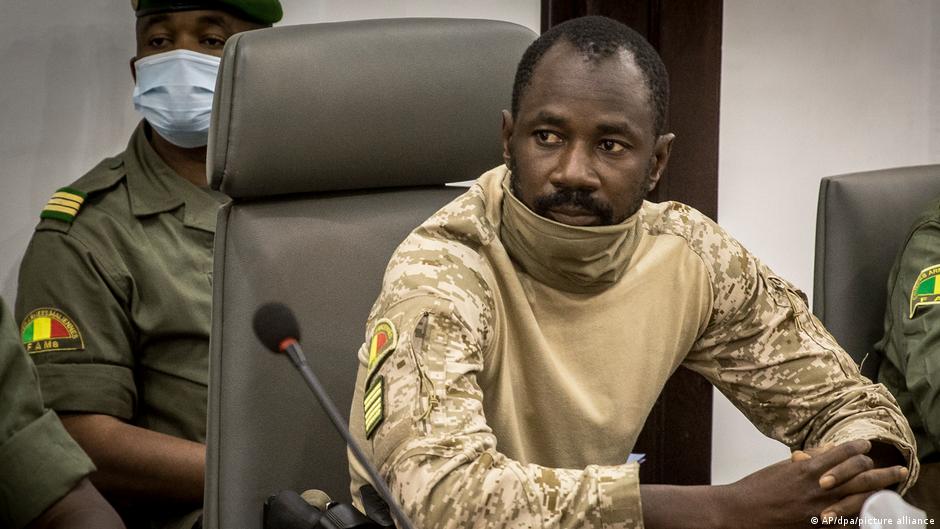
Five years after the coup in Mali: a grim assessment
Five years ago, Assimi Goïta seized control of Mali in a military takeover that reshaped the nation’s trajectory. Since then, the government has faced fierce criticism for eroding freedoms and security, yet retains a surprising base of popular support. The situation remains precarious, with little sign of meaningful improvement for ordinary Malians.
The Malian junta initially promised to restore stability and dismantle jihadist networks, but progress has stalled. Instead, the country grapples with escalating violence, shrinking civic space, and economic hardship. While some regions once saw fleeting signs of recovery, those gains have long since vanished under the weight of demographic pressures, climate change, and persistent insecurity.
Freedom under strain: the cost of repression
Public expression has become increasingly constrained. Open criticism of the regime is rare, and those who dare challenge it face imprisonment or forced exile. Even private conversations carry risks, as fear of surveillance grows. Critics argue that the government’s crackdown has stifled dissent without addressing root causes.
Ulf Laessing, head of the Sahel program at the Konrad Adenauer Foundation in Mali, highlights the paradox: “People can still speak freely among trusted circles, but caution has become second nature. This isn’t just caution—it’s a direct indictment of the government’s policies.”
Journalists, activists, and opposition figures have been targeted, with independent media outlets facing shutdowns or intimidation. The once-vibrant public sphere has narrowed, leaving many Malians to navigate a landscape where truth is often obscured by propaganda.
Security failures: jihadists gain ground
The junta’s vow to defeat Islamist militants has fallen short. Groups like the Jama’at Nusrat al-Islam wal Muslimin (JNIM) and the Islamic State in the Greater Sahara now control significant swathes of territory, with little prospect of military reversal. Even the Wagner Group’s much-touted intervention failed to turn the tide.
“The mercenaries’ presence was more symbolic than effective,” Laessing notes. “Their brutal tactics exacerbated tensions, and their abrupt withdrawal from key northern cities like Kidal left the Malian army exposed. The situation was a humiliation, not a solution.”
The Alliance of Sahel States—comprising Mali, Niger, and Burkina Faso—has pledged solidarity, but practical support has been minimal. Internal struggles in each nation, coupled with their own jihadist threats, have left them ill-equipped to assist their neighbor. “Political rhetoric doesn’t translate to military capability,” Laessing emphasizes. “These are some of the poorest countries in the world, fighting for survival.”
Public sentiment: a reluctant embrace of the junta
Despite widespread dissatisfaction, the junta retains support from a significant portion of the population. Many Malians, particularly the young and rural poor, oppose the alternatives: Islamist rule or the return of corrupt former elites tied to foreign powers.
“The average Malian is 15 years old,” Laessing explains. “They’ve never known stability, and their primary information comes from social media, where pro-government narratives and Russian disinformation dominate. After the late April attacks, you’d expect outrage—but there was none. Why? Because people fear the JNIM far more than the current government.”
The recent fuel shortages and blockades have further strained lives, yet protests remain absent. Laessing attributes this to a grim resignation: “People have lost faith in politicians entirely. They see no viable path forward, so they cling to the devil they know.”
Path forward: dialogue or desperation?
Laessing suggests that the only viable solution may lie in negotiation—with moderates among the jihadists. “The JNIM isn’t seeking to conquer Bamako; they want autonomy in the regions they control. A pragmatic approach, blending military pressure with dialogue, could stabilize the country.”
He points to Mauritania as a model: “They combined force with compromise—restricting alcohol, adopting Islamic governance elements—without imposing Taliban-style rule. The goal isn’t to surrender to extremism but to create space for stability.”
Yet the path is fraught with challenges. The junta’s legitimacy hinges on delivering security, a promise it has yet to fulfill. With no end in sight to the violence or economic decline, Mali’s future remains uncertain.


More Stories
Ousmane Sonko’s firm stance on Senegal’s FMI agreement demands full transparency
Senegal’s institutional crossroads: the unfolding dynamic between Ousmane Sonko and Bassirou Diomaye Faye
Minister abdourahmane diouf reignites feud with ousmane sonko over special credits reform