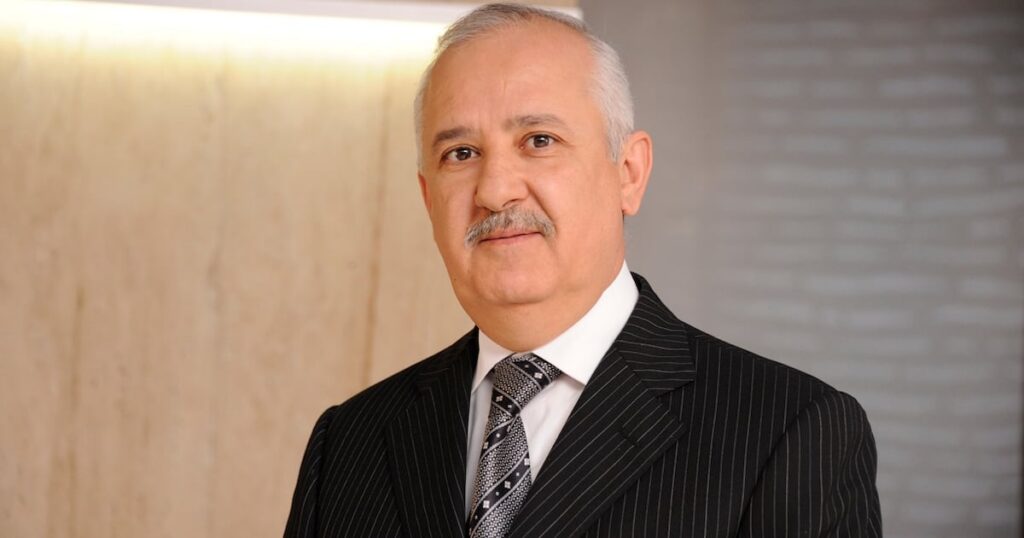
In a landmark agreement signed on May 20, 2026, at the Rénovation Palace in Libreville, Ciments de l’Afrique (CIMAF) CEO Anas Sefrioui and Gabon’s transitional President Brice Clotaire Oligui Nguema finalized a €40 million investment deal. This financial commitment will modernize the Owendo cement plant by adding a third production line, addressing the country’s surging demand for construction materials amid a wave of large-scale infrastructure projects.
Government steps up stake in CIMAF Gabon
The deal also reflects a significant shift in corporate governance. The Gabonese government has announced plans to increase its stake in the local CIMAF subsidiary to 20%, following an initial 10% acquisition in December 2025. This move grants Libreville direct oversight of the plant’s operations and aligns with the nation’s broader economic strategy launched in August 2023. The policy aims to convert major foreign investments into shared ownership, fostering national participation in key industries.
CIMAF pivots toward African growth
For CIMAF, this strengthened partnership marks the culmination of a strategic realignment. The Moroccan group, led by Anas Sefrioui, is gradually exiting the European market, as evidenced by the simultaneous sale of its last cement plant in France. With European demand stagnating and competition intensifying, the company is redirecting its resources toward Africa, where urbanization and infrastructure development—including roads, bridges, and housing—are driving unprecedented demand for construction materials.
Morocco expands economic footprint in Central Africa
This collaboration underscores a broader trend: Moroccan private sector leaders, traditionally dominant in West Africa, are now extending their industrial influence into Central Africa. For Gabon, an economy long reliant on oil revenues, this public-private partnership serves as a test case for economic diversification. By combining Moroccan private capital, Gabonese public oversight, and regional integration, the project could set a precedent for sustainable industrial growth across the continent.