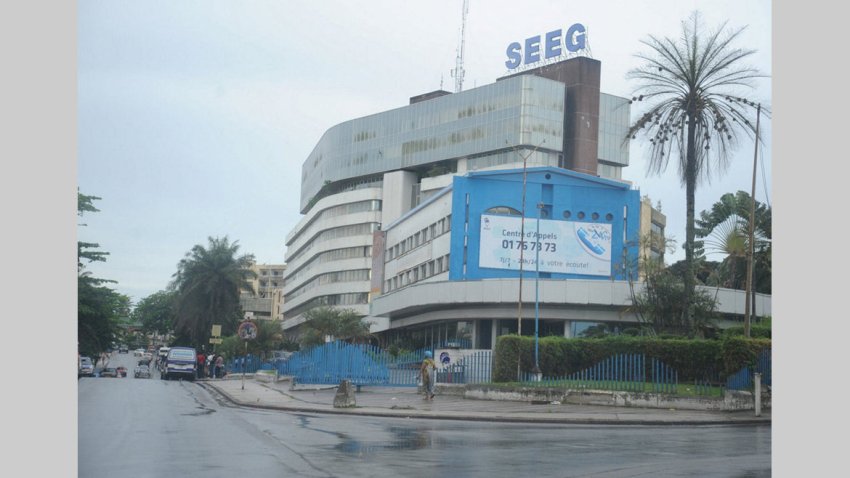
For nearly three decades, the Société d’Énergie et d’Eau du Gabon (SEEG) stood as the sole guardian of the nation’s water and electricity resources. That era has now officially come to a close. During a Council of Ministers meeting held on June 25, 2026, the government finalized the dissolution of the SEEG, replacing it with two specialized semi-public entities: La Gabonaise des Eaux and Électricité du Gabon. This institutional shift represents a fundamental restructuring of the country’s essential public services.
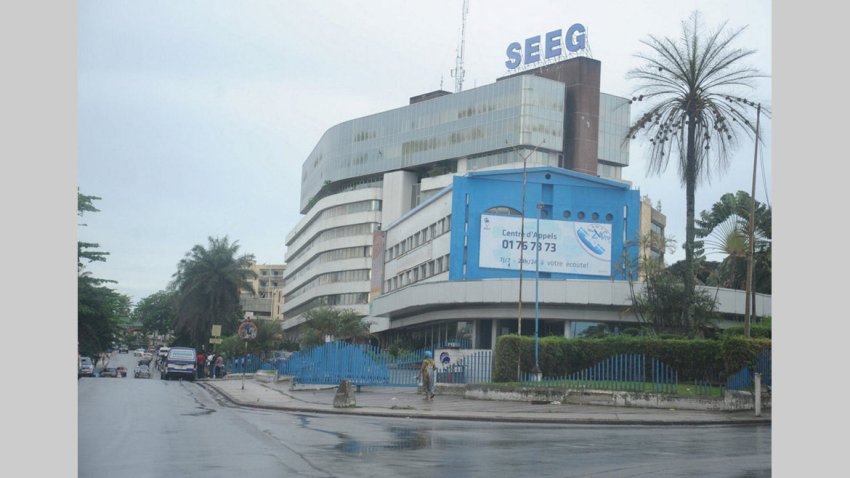
This landmark decision follows closely on the heels of the state of the nation address delivered by President Brice Clotaire Oligui Nguema. It signals a determined political move to transform presidential promises into immediate action. In a country where frequent power outages and inconsistent access to clean water remain critical grievances for the population, this reform stands as one of the most vital strategic projects of the current administration.
Breaking away from a failing system
The SEEG was established in 1997 under a concession with a French group, embodying the then-popular model of a single operator managing both water and power. While this integrated approach seemed efficient for a time, structural weaknesses began to paralyze the system. Even after the state reclaimed control of the company in 2018, the situation failed to stabilize. Dilapidated infrastructure, a lack of consistent investment, and the inability to keep up with rapid urban growth proved that the centralized model was no longer viable.
The authorities have opted for a clean break. La Gabonaise des Eaux will now be dedicated exclusively to the production, transport, and billing of potable water. Meanwhile, Électricité du Gabon will focus its operations entirely on the generation and distribution of electrical energy. This specialization aligns with global economic standards, recognizing that the technical and financial challenges of water management are distinct from those of the energy sector.
A new focus on public-private collaboration
By establishing these new entities as semi-public companies (sociétés d’économie mixte), Gabon aims to maintain strategic oversight while inviting private sector expertise and capital. This hybrid model is designed to combine the state’s role as a protector of public interest with the operational efficiency of private enterprise. However, the transition’s success will depend on how the government manages the transition of assets and the legacy debts left behind by the SEEG.
International partners, including the African Development Bank and the French Development Agency, are monitoring these developments closely. The stability of the utility sector is also a major concern for industrial players in the mining, forestry, and oil sectors, who rely on consistent energy for their competitiveness.
The ultimate test of service delivery
Beyond the administrative paperwork, this reform carries a heavy political weight. It is a promise to the Gabonese people of universal access to basic utilities, whether they live in bustling urban centers or remote villages. The government has set ambitious goals: ensuring service continuity, modernizing the grid, and securing a reliable supply for the future.
Ultimately, the public will not judge this reform based on legal texts or corporate restructuring. The true measure of success will be the elimination of load-shedding and the end of water shortages. La Gabonaise des Eaux and Électricité du Gabon now face the monumental task of turning these high aspirations into a daily reality for every citizen.