
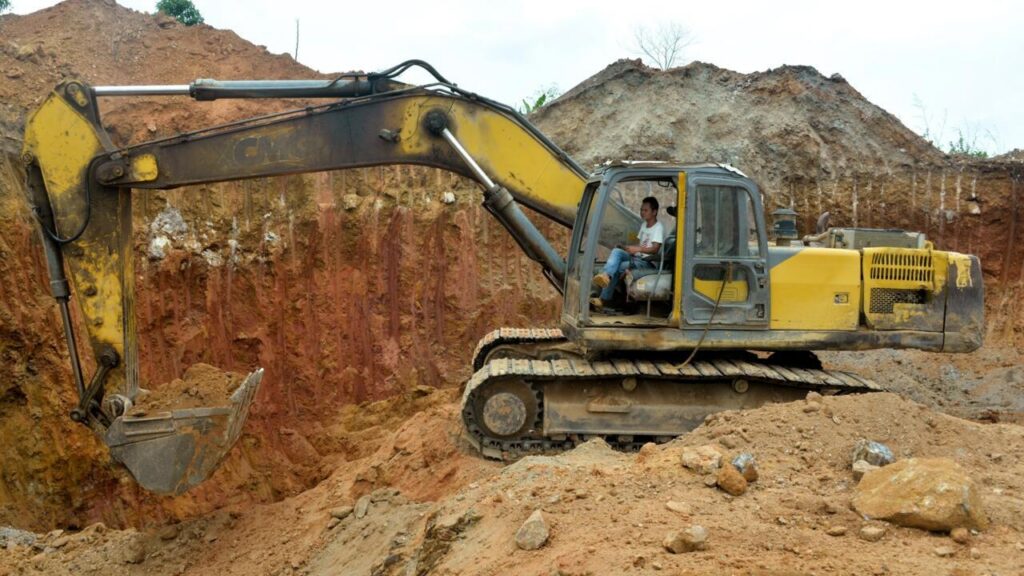
Across Cameroon and the Democratic Republic of the Congo, the gold mining sector continues to face critical transparency challenges despite ongoing reforms. Recent findings from the Institute for Security Studies (ISS) reveal that revenue generated from gold extraction is increasingly falling short of expectations, with a widening gap between declared exports and actual production figures.
According to the Extractive Industries Transparency Initiative (EITI), Cameroon reported just 22 kilograms of gold exported in 2023, while international buyers claimed to have purchased 15 metric tons. This discrepancy underscores systemic gaps in oversight and accountability that demand urgent attention from both domestic and international mining operators.
Why the gap between reported and actual gold production?
The disparities can be attributed to several factors, including weak regulatory enforcement, limited transparency in licensing processes, and the prevalence of illicit artisanal mining activities. In many cases, small-scale miners operate outside formal channels, making it difficult for authorities to track production accurately. Meanwhile, larger mining companies—both national and foreign—often face accusations of underreporting revenues to minimize tax liabilities or evade oversight.
Professor Aïcha Pemboura, a researcher at the Observatoire du crime organisé et de la violence en Afrique centrale, highlights the need for stronger regulatory mechanisms. Speaking in a recent discussion, she emphasized that “mining operators, regardless of origin, must be held accountable for their financial contributions to national economies.”
Calls for greater accountability
Civil society organizations and advocacy groups have long criticized the lack of progress in aligning gold sector revenues with national development goals. While governments in both countries have introduced measures to formalize artisanal mining and enhance regulatory frameworks, critics argue that these efforts remain insufficient. Transparency advocates insist that real-time monitoring, independent audits, and public disclosure of mining contracts are essential to closing revenue gaps.
The debate extends beyond mere financial accountability. Environmental degradation, labor exploitation, and community displacement remain pressing concerns. Without stricter oversight, the gold mining industry risks exacerbating social inequalities and environmental harm while failing to deliver tangible benefits to local populations.
As gold prices continue to rise globally, the stakes for reform have never been higher. Both Cameroon and the Democratic Republic of the Congo must prioritize transparency and accountability to ensure that their natural resources translate into sustainable development for all citizens.

More Stories
Burkina Faso under Ibrahim Traoré faces the danger of solitary leadership
Power struggles within Burkina Faso’s military leadership
Burkina Faso, Mali and Niger bid for CAN 2032 amid persisting insecurity