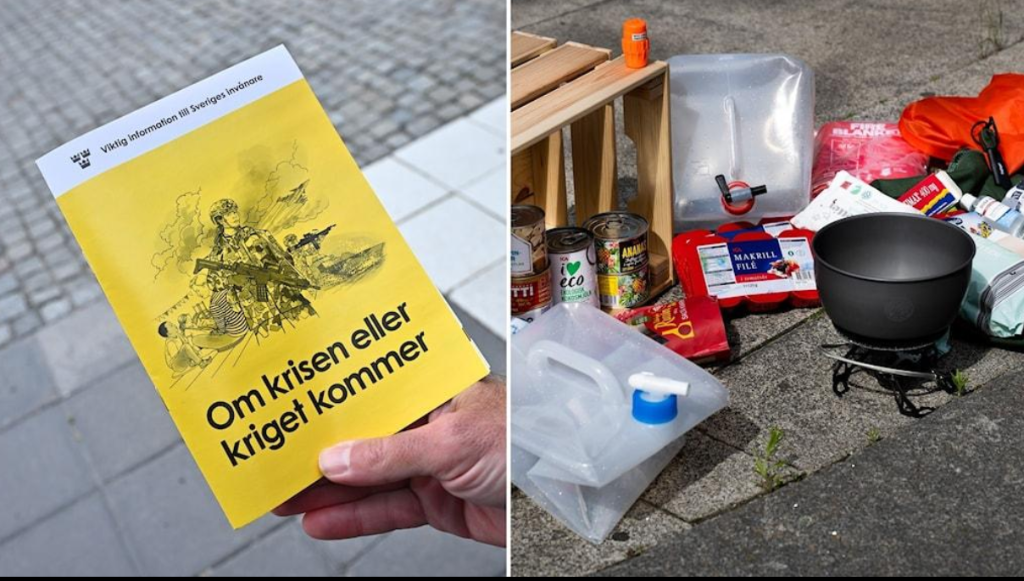
The world is bracing for a new era of uncertainty, where geopolitical tensions, cyber threats, and economic disruptions no longer remain distant headlines—they now directly threaten the stability of communities, homes, and businesses. What was once considered a precautionary measure—stocking essentials like food, water, and medicine—has evolved into a critical lifeline in the face of potential breakdowns in supply chains, utility networks, and public services.
From Europe to the Middle East: governments urge citizens to plan for the unthinkable
What began as a quiet shift in public policy has rapidly gained urgency. Across continents, nations are quietly but consistently pushing their people toward self-sufficiency. The message is clear: don’t wait for a crisis to strike—prepare for scenarios that could disrupt your daily life for days or even weeks.
In the wake of escalating hostilities and increasingly sophisticated disruptive tactics, even governments that once prioritized rapid alert systems over stockpiling now acknowledge that individual readiness can be the difference between comfort and crisis. It’s not about fear—it’s about resilience.
How Europe is rewriting the rules of civilian readiness
Northern and Central Europe are setting the standard. In October 2026, the United Kingdom launched a nationwide emergency readiness campaign, urging households to maintain a three-day supply of water, non-perishable food, first-aid kits, flashlights, battery-powered radios, and cash. The rationale? To ensure survival during power outages, supply chain interruptions, or cyberattacks designed to cripple infrastructure.
The initiative follows a broader regional trend. Finland has expanded its national grain reserves to cover nine months of domestic consumption. Sweden, Poland, and the Baltic states are fortifying shelters, upgrading early warning systems, and stockpiling medical supplies. These measures were not born from panic, but from a sober assessment: modern warfare doesn’t always begin on battlefields—it can start with a power grid failure or a blocked port.
NATO’s silent shift: preventing chaos before it starts
NATO’s resilience strategy, updated in late 2026, now mandates that member states strengthen energy security, food supplies, clean water access, and communication networks. The goal is not just to defend borders—but to keep societies functioning even when critical infrastructure is under attack.
Western intelligence agencies warn that adversarial states may probe vulnerabilities through cyber intrusions, sabotage, or hybrid warfare—measures designed to remain below the threshold of open conflict yet cause widespread disruption. The objective? To test collective resolve and exploit hesitation among allies. In such a landscape, individual preparedness isn’t just prudent—it’s patriotic.
The Middle East in the crosshairs: oil, ports, and the domino effect of conflict
The ripple effects of escalation in the Persian Gulf extend far beyond military confrontation. When a regional flare-up occurs, it’s not just tanks and missiles that feel the impact—it’s the global supply of oil, the flow of goods through strategic waterways, and the electricity that powers businesses and homes.
In August 2026, the United Arab Emirates reported missile launches originating from Iran, accusations swiftly denied by Tehran. Days later, drone incursions were detected, further straining regional tensions. The threat isn’t theoretical: infrastructure damage to refineries, ports, or undersea cables could paralyze economies overnight.
Such events force families and companies alike to reconsider their dependence on just-in-time delivery systems. The lesson is stark: reliance on global supply chains is a gamble in an era where geopolitical tensions can trigger real-world shortages in food, fuel, and medicine.
Asia at a crossroads: alliances, tensions, and the hidden costs of uncertainty
Thousands of miles east, the growing cooperation between China and North Korea has added another layer of complexity to global stability. The reopening of a major border bridge in October 2026—and a subsequent high-profile visit by Kim Jong-un to a Chinese city—signaled a revival of ties not seen in decades.
While no immediate offensive is expected, the alignment of military and economic cooperation between Beijing, Pyongyang, and Moscow raises alarms. The potential for simultaneous crises—from maritime blockades to energy rationing—demands that households adopt a multifaceted approach to readiness: not just food and water, but backup power, alternative communication methods, and contingency plans for transport disruption.
Preparedness without panic: the balanced approach to survival readiness
Governments are not advocating paranoia. They are promoting practicality. Holding a week’s supply of essentials, knowing local emergency shelters, and having a family communication plan are not acts of fear—but of empowerment. They reduce the burden on first responders, shorten recovery times, and allow communities to focus on longer-term solutions.
This isn’t a call to isolate yourself from society. It’s a recognition that in an interconnected world, resilience begins at home. Whether the next disruption comes from a cyberattack on a power plant, a conflict at sea, or a sudden financial shock, the principle remains the same: those who prepare weather the storm. Those who ignore the warning signs risk being left behind.
The age of passive dependence is ending. In its place is rising a new era of shared responsibility—where citizens, not just states, play a role in weathering the storms ahead.