
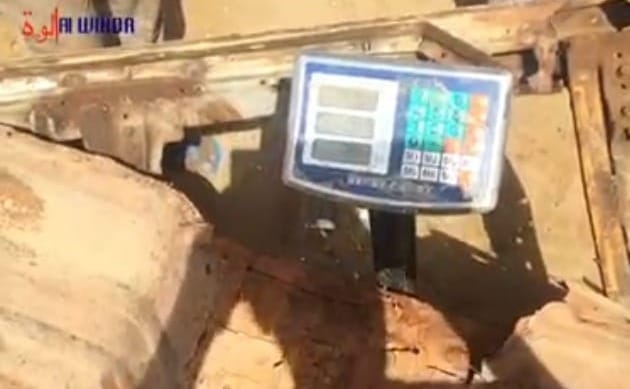
In the streets of N’Djamena, a disturbing trend is unfolding. Amid the city’s bustling markets and quiet neighborhoods, a cry echoes through the alleyways: « Hadid kilo! »—the local name for scrap metal collectors who buy discarded iron and steel from anyone willing to sell, including children.
This informal trade, once a marginal activity, has evolved into a lucrative business model. Scrap metal dealers, often operating without proper permits, push carts laden with old pipes, car parts, and rusted sheets through residential areas. While some are locals, many come from neighboring countries like Niger and Nigeria, seeking quick profits before returning home.
But the real cost is being paid by the city’s youngest residents. Children, some as young as eight, are being drawn into this cycle of exchange and exploitation. Reports from across N’Djamena reveal alarming cases:
- In Ngabo district, a 10-year-old boy sold his mother’s gas cylinder to a scrap dealer for just 600 FCFA.
- In Ndjari district, an 8-year-old sold his younger brother’s bicycle for 250 FCFA.
- In Zafaye district, a child sold a part of his father’s car engine for 1,000 FCFA.
These transactions, though small in monetary value, carry a heavy social price. Parents and community leaders warn that the practice is normalizing theft among minors, teaching them that selling family property—even essential items—can yield quick cash. « This trade is turning our streets into classrooms for crime, » said one concerned resident.
The growing concern has prompted calls for urgent action from local authorities. Community members are demanding stricter oversight of street vendors, a ban on purchasing scrap from children, and enhanced protection measures for minors. They argue that without intervention, the « Hadid kilo » phenomenon will continue to undermine childhood development and fuel a cycle of poverty and delinquency.
As the debate intensifies, voices from civil society and child protection groups are urging the government to take decisive steps. Their message is clear: the future of N’Djamena’s children cannot be traded for scrap.


More Stories
Niger: Tiani faces fallout from special forces anger after Russian intervention
Crisis in Niger, IMF agreement in Sénégal, and Moroccan elections: Five essential stories
RDC-Israël : un rapprochement aux enjeux multiples