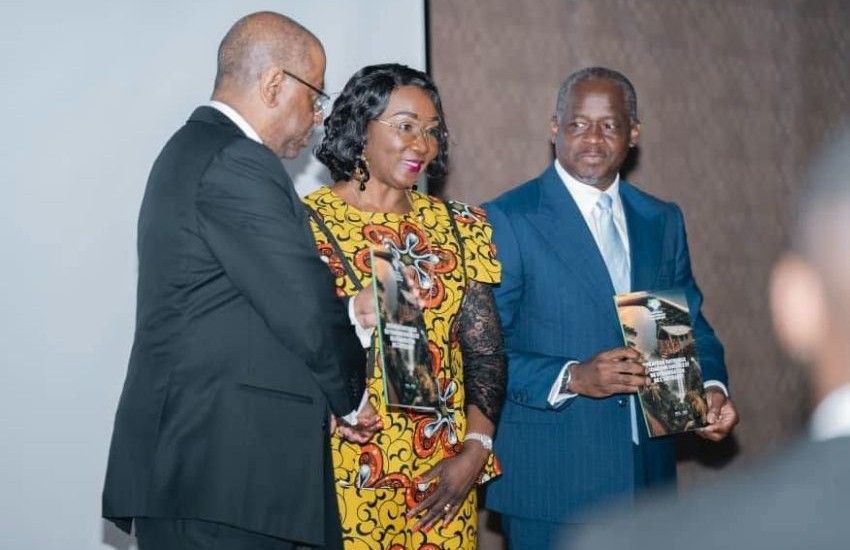
Libreville recently witnessed a pivotal shift in national policy as Gabon prepares to leverage its vast biodiversity as a primary economic engine. By unveiling a comprehensive national strategy for sustainable tourism and craftsmanship, the government is embarking on a transformative journey that extends far beyond simple travel logistics.
This new roadmap outlines a visionary approach to national development. It focuses on capitalizing on natural assets, stimulating job creation, and diversifying an economy that has historically leaned heavily on extractive industries. During a high-level gathering at the Cité de la Démocratie in Libreville, state officials, diplomatic partners, and private sector leaders reviewed a strategic document designed to reposition tourism at the heart of the Gabonese economy.
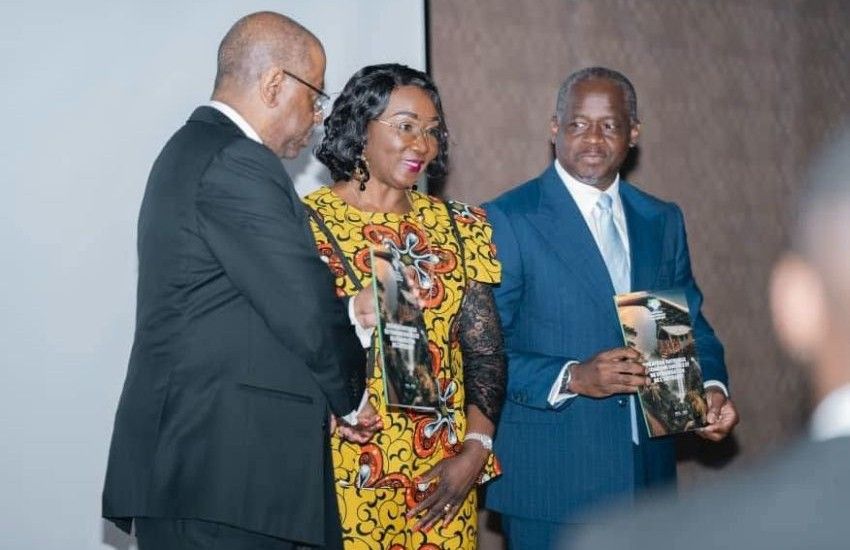
As global economic models face increasing pressure to adapt to ecological transitions, Gabon is positioning its forests, national parks, and cultural heritage as high-value growth assets. The Minister of Sustainable Tourism and Handicrafts, Professor Marcelle Ibinga épouse Itsitsa, emphasized that tourism is more than a commercial activity; it is a vital tool for regional development and a showcase of national identity capable of attracting long-term investment.
A 71-project blueprint for economic scaling
The government’s ambition is rooted in a clear reality: despite international recognition of its potential, Gabon’s tourism sector has remained largely untapped. Previous assessments identified various institutional and legal hurdles that restricted the industry’s growth for decades. To overcome these barriers, the new strategy introduces 71 priority projects.
These initiatives focus on upgrading infrastructure, refining sector governance, enhancing professional standards for operators, and developing world-class ecotourism circuits. The plan also highlights the importance of promoting Gabon’s historical and artisanal heritage. The ultimate goal is to boost the tourism sector’s contribution to the Gross Domestic Product while maintaining the ecological integrity that defines the nation.
With over 88% of its land covered by forest and home to some of Africa’s most pristine national parks, Gabon possesses a significant competitive edge. The country’s unique flora and fauna represent a global treasure whose economic potential is now being prioritized for development.
Integrated governance for a unified vision
The success of this ambitious transition relies on seamless coordination across various public sectors. The Minister of Industry, Lubin Ntoutoume, made it clear that no single department can achieve these goals in isolation. Building a robust tourism industry requires the active participation of infrastructure, transport, environment, and vocational training sectors.
This integrated approach signals a major shift in economic governance. Tourism is no longer viewed as a secondary sector but as a catalyst for multiple industries, encouraging private investment and creating opportunities in rural areas far from urban centers. Furthermore, the focus on local crafts ensures that traditional skills are preserved while providing steady income for thousands of families.
From planning to implementation
The initiative has already gained cultural momentum, with actress and producer Nelly Obono serving as the face of the national tourism caravan. Additionally, artist Annie Flore has contributed her song “Je t’invite” to support the country’s promotional efforts, illustrating a broad commitment from the creative community.
However, the focus is now shifting to execution. Vice-President Alexandre Barro Chambrier has urged all administrations and local authorities to take ownership of this strategy to ensure it produces tangible results. The formal delivery of the strategy document and the establishment of an operational team mark the beginning of the action phase.
The upcoming third edition of the National Tourism Caravan, scheduled to run from July 17 to September 6, will serve as the first major trial for this new policy. For Gabon, the objective is to prove that environmental conservation can indeed be the cornerstone of national prosperity, potentially serving as a model for the green economy across the continent.