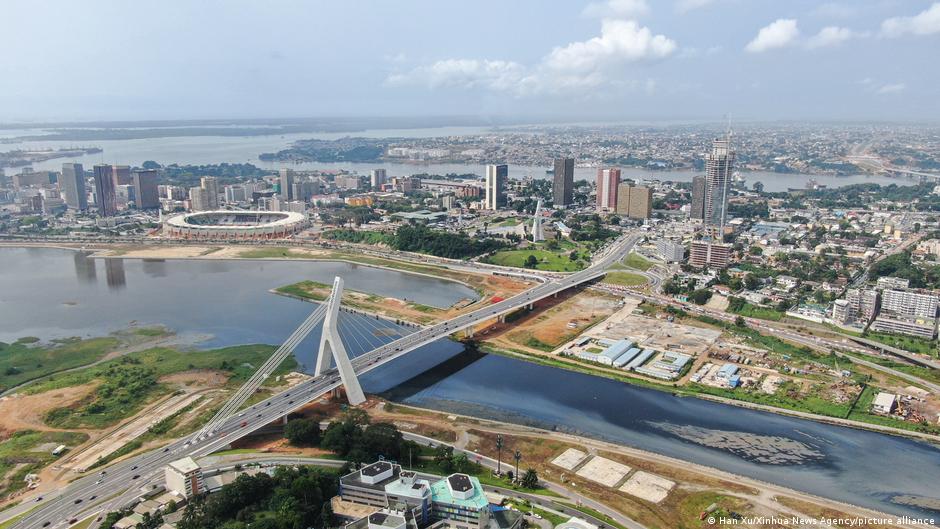
West Africa’s rising star, Côte d’Ivoire, is placing its bets on a future where progress meets preservation. As global climate conversations intensify, this vibrant nation is pioneering fresh avenues for sustainable development through green economy initiatives. From urban farming to carbon-offset projects, a new wave of young innovators is reshaping industries while safeguarding natural resources.
young entrepreneurs driving change in côte d’ivoire’s green sector
Meet three forward-thinking Ivorian founders who have ditched traditional career paths to embrace eco-conscious business models. Their ventures span insect farming for animal feed, urban agriculture that feeds city dwellers, and reforestation programs that double as carbon credits. These pioneers prove that profitability and planetary care aren’t mutually exclusive.
agriculture meets innovation: urban farming takes root
In Abidjan and Yamoussoukro, concrete rooftops are giving way to lush vertical gardens. Local startups now cultivate leafy greens, herbs, and microgreens using hydroponics and aquaponics, slashing food miles while creating jobs. These urban farms supply restaurants and supermarkets, proving that fresh produce can thrive in city centers without heavy carbon footprints.
insect farming: a sustainable protein alternative
Agritech innovators in Côte d’Ivoire are tapping into the global demand for sustainable protein by breeding crickets and black soldier flies. These insects require minimal water and space compared to traditional livestock, offering a low-impact solution to animal feed shortages. The protein-rich larvae are processed into nutritious feed for poultry and fish farms, reducing pressure on soy imports and deforestation-linked soy production.
carbon markets: turning forests into financial assets
With vast tropical forests, Côte d’Ivoire is positioning itself as a leader in Africa’s carbon credit market. Community-led reforestation projects now generate revenue by selling verified carbon offsets to international buyers. These initiatives not only sequester CO₂ but also restore biodiversity and improve rural livelihoods through eco-tourism and sustainable agroforestry.
challenges and opportunities in ivory coast’s green transition
While the momentum is undeniable, the path to a fully green economy faces hurdles. Limited access to green financing, regulatory hurdles, and public awareness gaps remain obstacles. Yet, with supportive policies and international partnerships, Côte d’Ivoire’s green economy could become a model for West Africa. The country’s commitment to the Paris Agreement and its 2030 Agenda for Sustainable Development signals a serious intent to balance economic growth with environmental stewardship.
wildlife conservation: protecting ivory coast’s natural heritage
The green economy wave extends beyond business—it’s also about preserving Côte d’Ivoire’s rich biodiversity. Efforts to protect endangered species like the pygmy hippopotamus and the African forest elephant are gaining traction, thanks to community-based conservation programs and stricter enforcement of wildlife laws. These initiatives highlight the interconnectedness of ecological health and long-term economic stability.