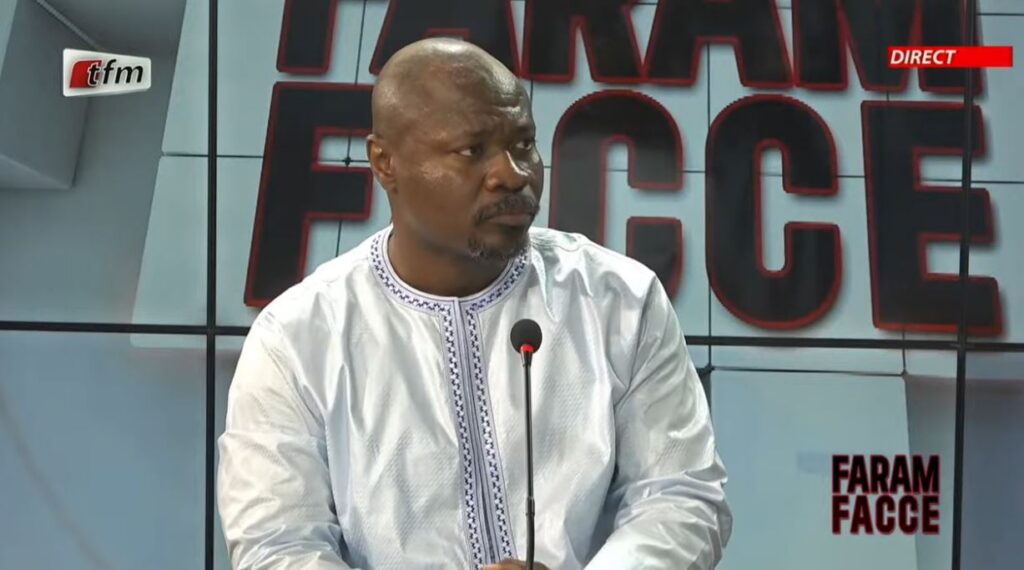
Sénégal: a critical analysis of the national dialogue’s framework by Guy Marius Sagna
The Senegalese lawmaker Guy Marius Sagna has raised serious concerns about the National Dialogue initiated by President Diomaye Faye, questioning its legal structure and long-term objectives. He argues that without genuine transformation and local engagement, the process risks serving narrow political interests rather than addressing the pressing needs of citizens.
The criticism comes as politicians and citizens debate the format and purpose of the ongoing dialogue. Sagna contends that the current framework, rooted in outdated legal provisions, fails to align with Senegal’s evolving political landscape and the demands for real change.
Outdated legal framework fuels skepticism
Guy Marius Sagna has singled out the 2016 decree governing the National Dialogue, describing it as obsolete and ill-suited to foster meaningful progress. He advocates for its repeal, insisting that the process should prioritize local participation through municipal assemblies and the National Assembly rather than relying on centralized, top-down mechanisms.
In his widely circulated statement, the PASTEF member warns that the dialogue could become a political maneuver to shape future elections. He emphasizes that without structural reform, the initiative may lack credibility and fail to deliver on its promises of transformation.
Sagna’s remarks reflect broader skepticism about whether the dialogue will truly empower citizens or merely serve as a tool for political consolidation. He calls for a reset of the process, one that prioritizes sovereignty and grassroots engagement over institutional inertia.
The debate over the National Dialogue’s legitimacy and effectiveness continues to intensify, with many questioning its potential to address the country’s deep-rooted challenges.