Senegal’s 2025 UEMOA performance: key factors behind the decline
Senegal’s progress in implementing West African Economic and Monetary Union (UEMOA) reforms faced a setback in 2025, despite overall satisfactory results. This analysis examines the primary causes of the decline and the steps needed to restore momentum within the UEMOA framework.
Measured decline in reform implementation
The 11th annual review of UEMOA’s community reforms, policies, programs, and projects, held in Senegal, revealed a drop in implementation rates. The average achievement rate fell to 76.45% in 2025 from 78.59% in 2024—a decline of 2.14 percentage points. This assessment covered 145 reforms, up from 132 in the previous year.
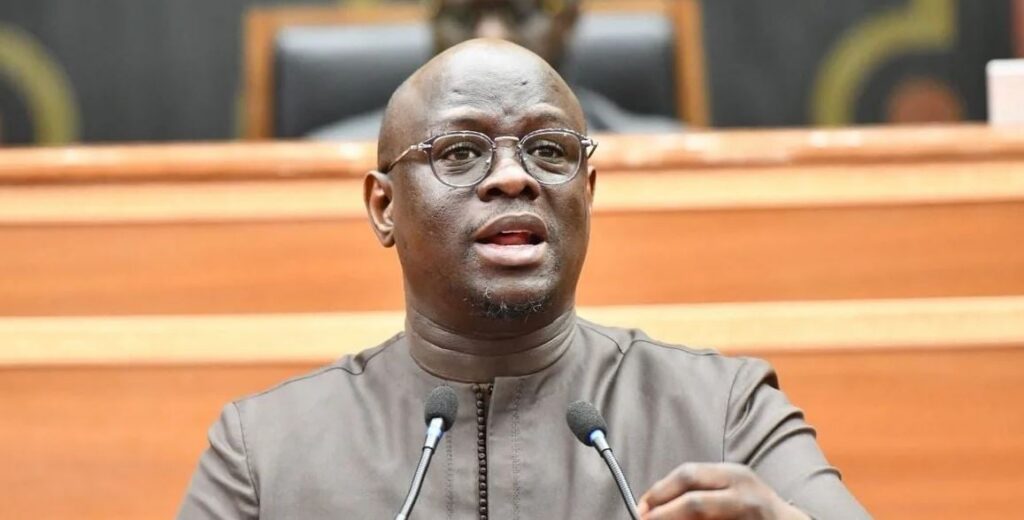
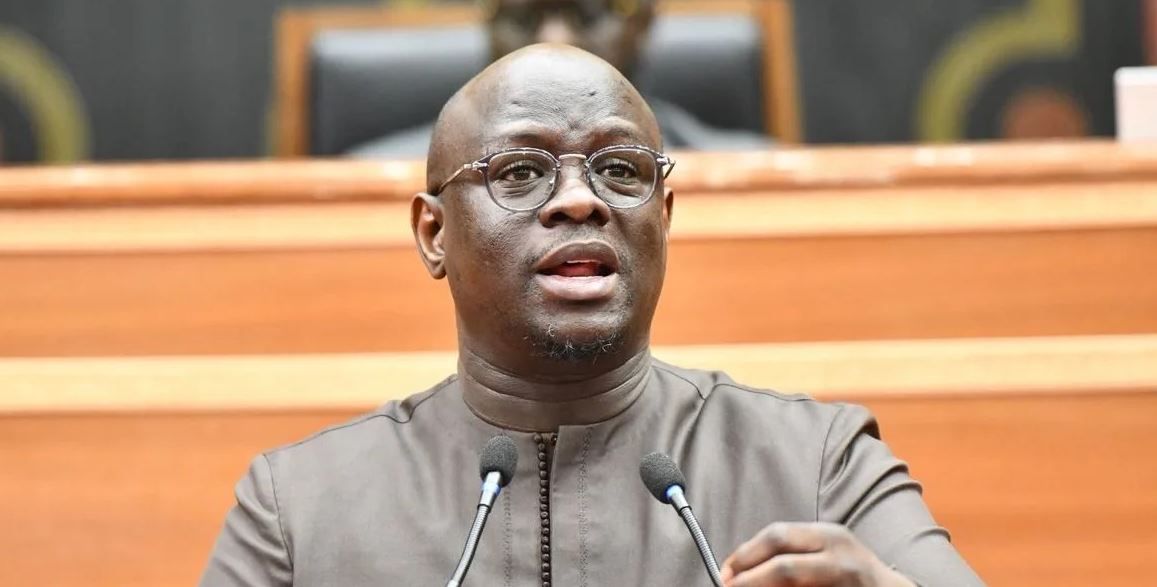
The review, jointly chaired by Senegal’s Minister of Finance and Budget Cheikh Diba and UEMOA Commission President Abdoulaye Diop, highlighted both challenges and areas of progress. While the overall score dipped, certain sectors demonstrated notable improvements, signaling uneven but targeted advancement.
Root causes of the slowdown
Minister Cheikh Diba attributed the regression primarily to weaknesses in economic governance and convergence reforms, which declined by 1.3 percentage points. Sectoral reforms also suffered, dropping by 6.03 points. These setbacks were partially offset by a 0.91-point increase in market integration progress.
Key obstacles included delays in submitting the 2024 financial reporting data from Senegal’s Guichet Unique de Dépôt des États Financiers (GUDEF) to the UEMOA Commission. This administrative lag hindered the timely evaluation of governance-related reforms, creating bottlenecks in the review process.
Sectors showing resilience and growth
Despite the overall decline, several areas recorded positive momentum. Significant strides were made in harmonizing legal, accounting, and statistical frameworks for public finances, with an improvement of 1.83 points. The customs union saw a 4.55-point rise, while agriculture, livestock, fishing, and environmental sectors advanced by 2.12 points. Human and social development surged by 6.58 points, and energy and mining recorded a 3.33-point gain.
The most notable progress in structural reforms occurred in culture, tourism, craftsmanship, quality standards, and the business climate—sectors critical to Senegal’s economic diversification and integration goals.
Roadmap for recovery and integration
Minister Diba emphasized that the results, while mixed, reflect a broader trend across UEMOA member states, where progress remains uneven but steady. He underscored the need for urgent corrective measures, particularly in finalizing validation processes, providing supporting documentation, and ensuring rigorous execution and monitoring of community programs.
The political phase of the review validated technical findings and reinforced the government’s commitment to accelerating reform implementation. The conclusions will be presented to Prime Minister Ousmane Sonko in a high-level meeting with the UEMOA Commission President, signaling a renewed focus on regional integration as a national priority.