
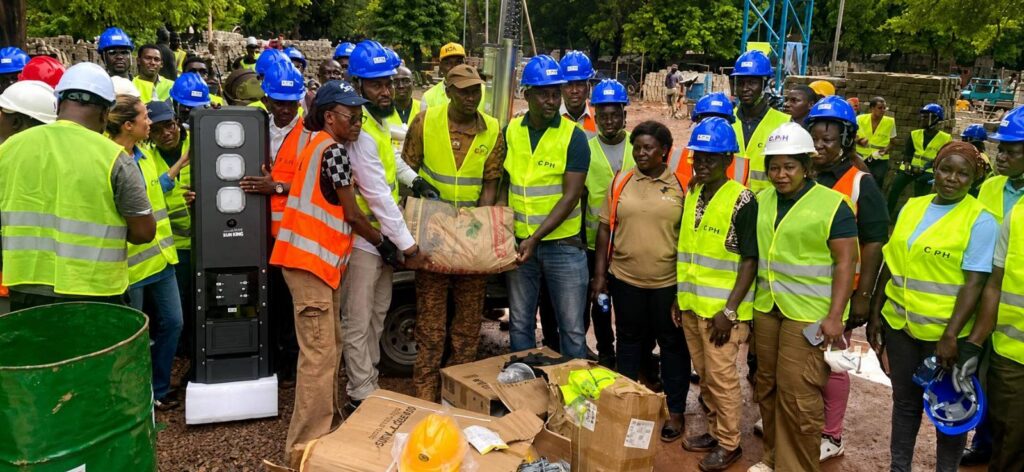
With over 261 million West African CFA francs mobilized under the Faso Mêbo banner by mid-May 2026, Burkina Faso’s Ministry of Economy and Finance has hailed the initiative as a triumph of collective patriotism. Yet beneath the official celebration lies a growing unease among citizens and analysts alike: is this latest public fundraising drive truly a voluntary contribution to national progress, or does it reveal something far more troubling?
Patriotism or parallel taxation?
The heart of the debate centers on the role of Burkina Faso’s citizens in nation-building. By law, every resident already fulfills a civic duty through the payment of taxes—mandatory contributions that fund defense, infrastructure, healthcare, and education. Despite economic hardship, including rising inflation and escalating insecurity, Burkinabè taxpayers continue to meet their obligations, sustaining the state’s revenue base year after year.
Enter Faso Mêbo. Critics argue that this voluntary subscription initiative doesn’t supplement national funding—it obscures it. By encouraging citizens to donate again, the state risks creating a financial illusion: citizens pay once through taxes, and again through voluntary contributions, all for services that should already be guaranteed by public revenue. In effect, the initiative may be imposing a de facto second tax, one that lacks legal structure, parliamentary oversight, or equitable distribution.
The illusion of voluntary generosity
Proponents of Faso Mêbo frame it as a gesture of solidarity—a way for citizens to take direct action in shaping their nation’s future. But skeptics see a different narrative: a state turning patriotism into a financial lever, exploiting emotional connection to fill budgetary gaps caused by inefficiency or mismanagement. When public funds are already stretched thin, why demand more from a population already burdened by economic strain?
Many point to the lack of transparency surrounding Faso Mêbo’s collection and allocation. Donations flow into designated accounts and digital platforms outside the official national budget, creating a parallel financial stream with no clear accountability. Without public audits, independent oversight, or published reports on fund usage, trust erodes—and so does the legitimacy of the initiative.
Beyond tontines: what Burkina Faso really needs
Burkina Faso’s strength lies not in repeated fundraising campaigns disguised as patriotism, but in a robust, transparent, and accountable fiscal system. Citizens have already proven their civic commitment through tax compliance. What they demand now is not another appeal to generosity, but a government that maximizes the resources it already collects—through efficient spending, anti-corruption measures, and equitable service delivery.
True national development is built on trust, not tontines. It requires a state that invests wisely in its people rather than relying on perpetual public appeals. Until Faso Mêbo and similar initiatives are either integrated into the national budget or discontinued, they will remain symbols of a deeper governance dilemma: where patriotism ends and systemic financial mismanagement begins.

More Stories
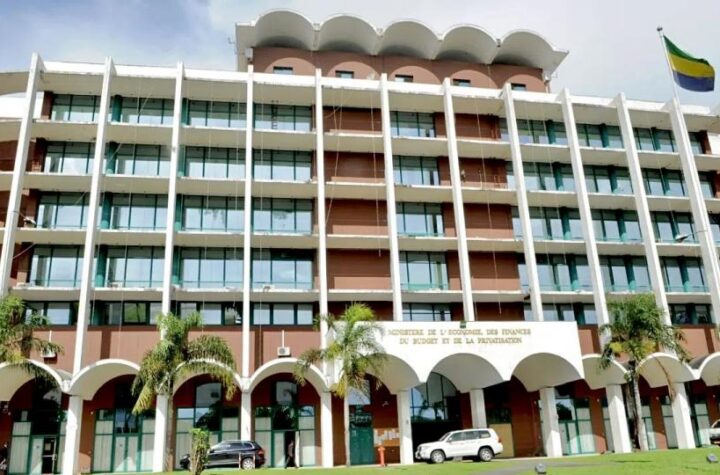
Gabon’s economic management hindered by unreliable public data
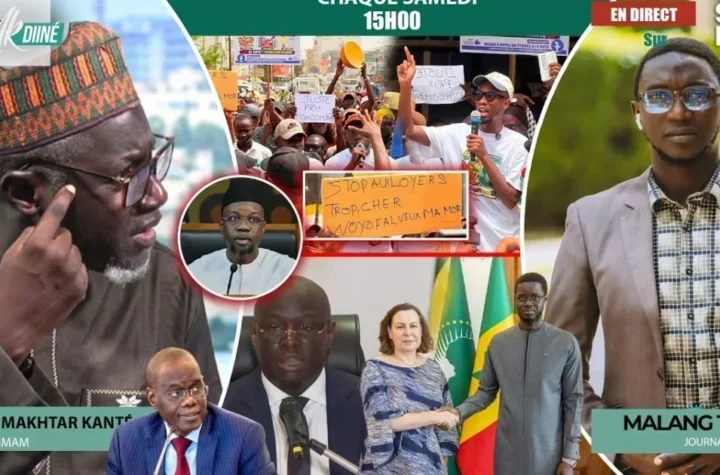
Analyse du prêt du FMI et des ambitions d’Ousmane Sonko
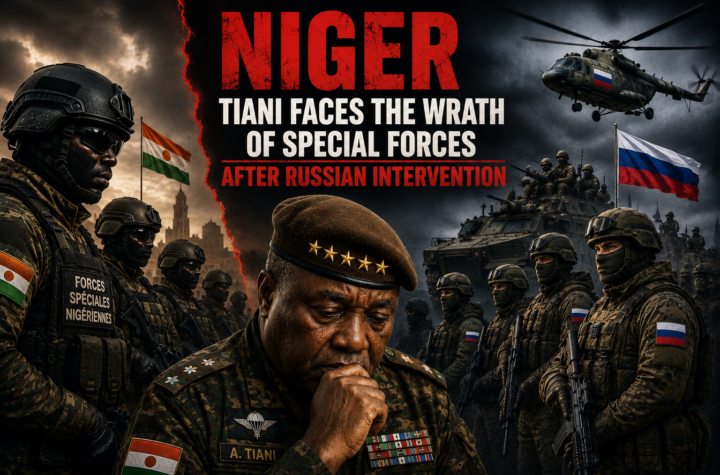
Niger: Tiani faces fallout from special forces anger after Russian intervention