The extended captivity of two European women in Niger has finally come to an end, but the circumstances of their release raise serious questions about security failures and the growing influence of Libya in regional hostage negotiations.
After 18 months in the shadows: the long road to freedom
Eva Gretzmacher, an Austrian national, and Claudia Abbt, a Swiss citizen, were abducted in Agadez—Niger’s northern hub for trade and migration—seven months apart in early 2025. Their disappearance sparked international concern, not only due to the duration of their detention but also because it highlighted the increasing boldness of armed groups operating in urban centers once considered relatively safe for foreigners.
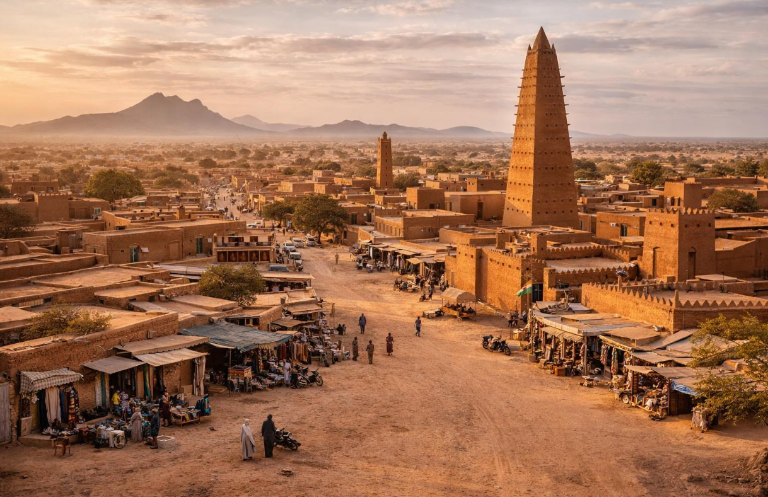
Agadez, a historic crossroads between the Sahara and southern Niger, has become a hotspot for kidnapping risks. The prolonged captivity underscored the sophistication of the captors and the challenges faced by regional security forces in tracking and responding to such threats.
Libya’s evolving role in Sahel hostage negotiations
Last month, both women were transferred to Benghazi, a key city under the control of Libyan military leader Khalifa Haftar. While the exact mediation process remains unclear, reports suggest that influential figures within Haftar’s inner circle played a pivotal role in brokering their release.
This development is not merely symbolic—it reflects a broader trend in which Libya, despite its internal divisions, has emerged as a critical node for clandestine negotiations involving Sahel hostage crises. For European governments, the involvement of Libyan mediators offers a glimpse into the shifting dynamics of regional security cooperation, though it remains to be seen whether this model can be replicated in future cases.
What’s driving Libya’s engagement?
Benghazi’s strategic position, along with its history of hosting armed factions and smuggling networks, makes it an ideal location for backchannel diplomacy. Libyan actors involved in the process may also seek to strengthen their legitimacy on the international stage by facilitating high-profile releases—particularly with European counterparts. However, without full transparency, it is difficult to determine whether these moves are driven by humanitarian concern or strategic positioning.
Niger’s security crisis: a growing threat to civilians and commerce
The kidnappings have cast a spotlight on Niger’s deteriorating security environment, where armed groups exploiting porous borders have intensified attacks in recent years. Agadez, once a relatively stable trading post, now sits within one of the country’s most volatile zones, where lawlessness and extremist activity intersect.
For foreign governments, the dangers are undeniable. Travel advisories remain firmly in place, warning citizens of the high risks of kidnapping and terrorism throughout the region. But such warnings are no longer just cautionary—they reflect a harsh reality where the threat of abduction extends far beyond remote desert expanses and into cities that were once considered safe havens.
Why Agadez is a prime target
The city’s geographic and economic significance makes it a prime location for armed groups seeking ransom payments, political leverage, or both. Its proximity to Mali and Burkina Faso—already devastated by insurgencies—further complicates security operations. With limited surveillance capabilities and vast ungoverned spaces, Niger’s military and allied forces struggle to curb the mobility of these groups.
The unanswered questions behind their liberation
While the return of Gretzmacher and Abbt is undeniably positive, critical details about their captivity and release remain undisclosed. Who held them? What conditions were negotiated? Was Libya’s mediation the decisive factor, or was the outcome driven by other actors?
Without official clarity, speculation risks overshadowing an important truth: in today’s Sahel, hostage releases often hinge on opaque, informal agreements. For governments desperate to secure their citizens’ freedom, these channels—however murky—have become a necessary recourse.
Lessons from a prolonged ordeal
The two women’s return to Benghazi marks a turning point, but it also serves as a stark reminder of the persistent vulnerabilities in Niger’s security landscape. While their safe release is cause for relief, it does little to address the root causes of instability. For European nations with citizens in the region, the challenge remains: how can they protect their nationals in a territory where the rule of law is increasingly at the mercy of armed factions?
The answer may lie in stronger cross-border intelligence sharing, targeted development initiatives, and diplomatic engagement with local leaders—especially those who wield influence beyond national borders. Until then, the specter of another abduction looms large.