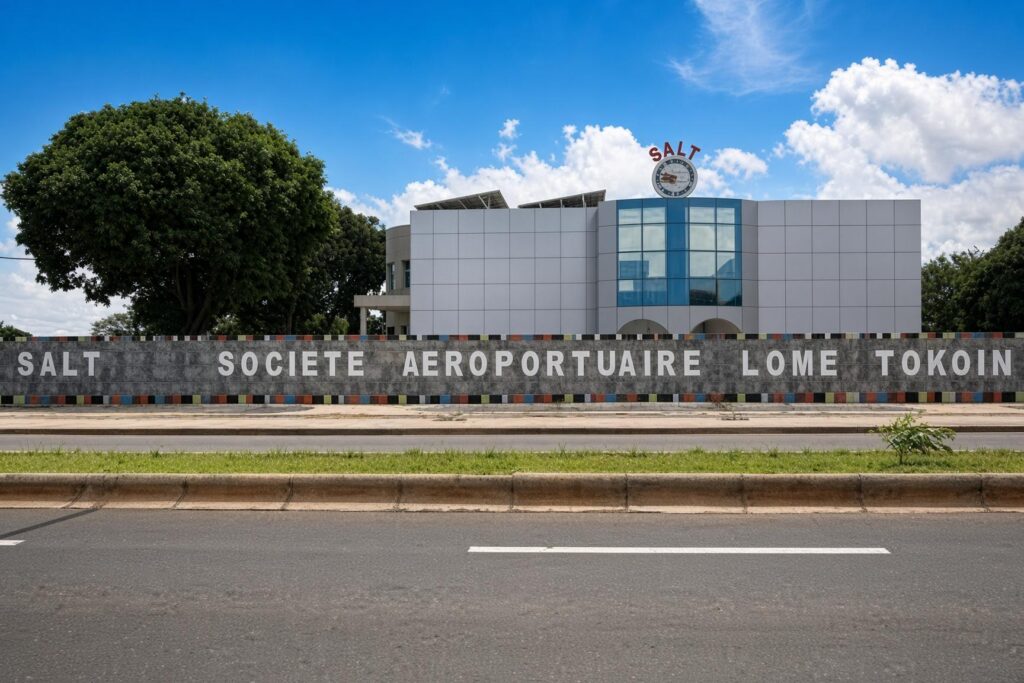
How a sewage disaster forced Togo to hand over Lomé’s airport to a French giant
When raw sewage rained down on passengers in Lomé’s international terminal, it wasn’t just an embarrassment—it exposed a deeper failure. The incident at Aéroport International Gnassingbé-Eyadéma (AIGE) in October 2026 became the tipping point for a country that had long promised to transform its airport into a West African logistics hub. Now, the Togolese government is turning to Lagardère Travel Retail, a French commercial operator, to rescue its most visible economic gateway.
The decision marks a sharp pivot from public to private management, driven by the crippling consequences of failed infrastructure. After years of mismanagement under the state-run Société Aéroportuaire de Lomé-Tokoin (SALT), the airport’s reputation—and functionality—had collapsed. What began as a sanitation scandal revealed a systemic breakdown, forcing authorities to confront the harsh reality: their own institutions could no longer meet international standards.
From sewage to sovereignty: the high stakes of airport privatization
The stakes couldn’t be higher. The AIGE is more than an airport—it’s a symbol of Togo’s ambitions to position itself as a regional trade and travel hub. But the sewage incident exposed a gaping divide between ambition and execution. Passengers and airlines alike had grown accustomed to delayed flights, crumbling facilities, and a growing disconnect between the airport’s advertised modernity and its deteriorating reality.
Lagardère’s entry offers a lifeline. The French group, backed by the Louis Hachette Group and ultimately the Bolloré Group, brings expertise in commercial operations and global retail standards. For Togo, the benefits are clear: faster modernization, improved passenger experience, and restored international trust. Yet the move also raises critical questions about national control and economic inclusivity.
Critics argue that handing over duty-free zones to a French conglomerate could squeeze out local businesses, replacing them with global brands. Others warn of over-reliance on foreign expertise, fearing that long-term economic benefits might flow overseas rather than staying within Togo’s borders. The government faces a delicate balancing act: reviving the airport’s image without sacrificing local economic interests.
Can Lagardère deliver a win-win model for Lomé’s airport?
The pressure is on Lagardère to prove that its involvement will be more than just a stopgap measure. The company’s track record in airport retail suggests it can rapidly upgrade facilities, streamline operations, and enhance revenue. But success will depend on two key factors:
- Speed and efficiency: Passengers and airlines need tangible improvements—cleaner terminals, reliable services, and reduced delays—within months, not years.
- Inclusive partnerships: To avoid alienating local businesses, Lagardère must integrate Togolese vendors into its commercial model, ensuring that the airport’s economic benefits extend beyond its own balance sheet.
The alternative—continued neglect under public management—is no longer an option. The sewage disaster made that abundantly clear. Now, Togo must navigate the trade-offs between foreign expertise and national sovereignty, between urgent fixes and sustainable growth. The outcome will shape not just the future of its airport, but its broader economic ambitions in West Africa.
What’s next for Lomé’s airport?
With Lagardère in the driver’s seat, the coming months will be critical. The government’s willingness to embrace private-sector solutions reflects a broader shift in African infrastructure strategies, where efficiency often trumps tradition. Yet the real test will be whether this partnership can deliver both immediate relief and long-term prosperity—for passengers, airlines, and the Togolese economy alike.