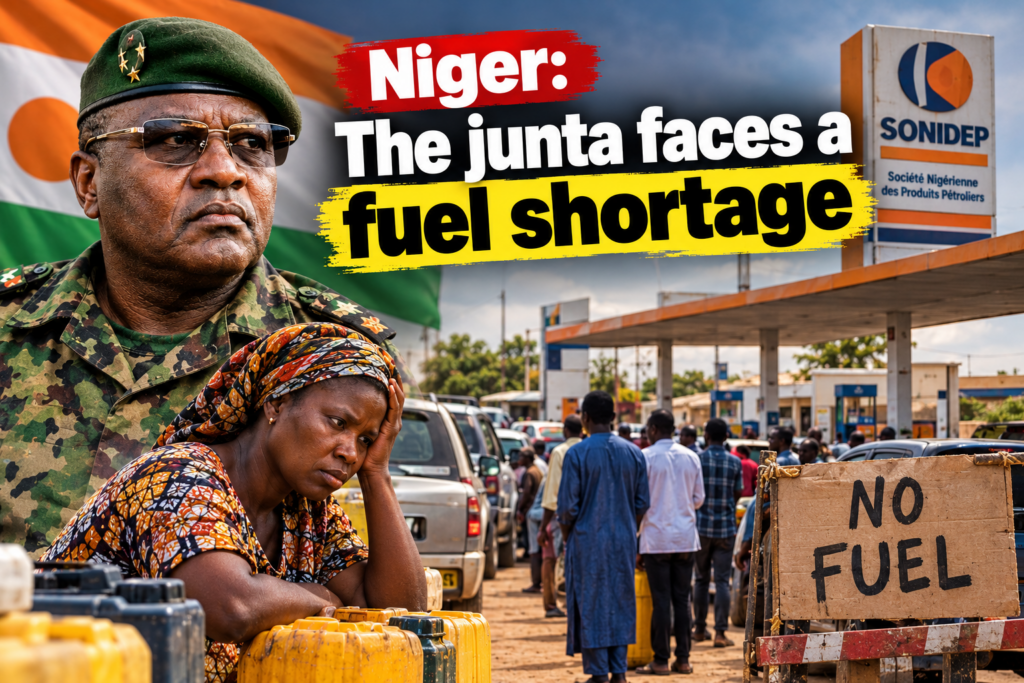
In Niamey, the escalating fuel shortage is no longer just an inconvenience it is reshaping daily routines, crippling local economies, and fueling public discontent among a population already grappling with widespread hardship. The crisis underscores a critical irony: how can a nation rich in oil resources struggle to keep fuel pumps operational?
From Fuel Pumps to Economic Slowdowns: A Nation in Strain
The shortage, which has spread from regional hubs into the capital, is disrupting public transport, complicating commutes, and stalling small businesses. Residents face mounting challenges in refueling their vehicles, while market traders report delays in receiving essential goods. For Nigerien families and entrepreneurs already operating on tight margins, the scarcity adds yet another layer of financial burden.
The ripple effects are far-reaching. Taxi drivers spend hours waiting in line at stations, transporters struggle to meet delivery deadlines, and rising transport costs ripple through supply chains, pushing up the prices of everyday goods. Families endure longer wait times for public services, and local artisans especially those relying on generators see their productivity decline. The fuel crisis is not merely an energy issue; it is a socio-economic disruption reverberating across the entire society.
Oil Abundance vs. Chronic Supply Failures: Where the System Breaks Down
While Niger is a petroleum producer, this natural advantage does not automatically translate into reliable access to gasoline and diesel for citizens. The gap between production and availability reveals systemic weaknesses in the national supply chain from refining and storage to transportation and distribution. Multiple factors can contribute to shortages: logistical bottlenecks, mismatches between supply and demand, delays in fuel imports, or inadequate infrastructure.
Addressing the issue demands more than acknowledging production levels; it requires transparency about stock levels, consumption rates, and distribution bottlenecks. Without clear data and accountable logistics, even abundant oil reserves cannot prevent shortages at the pump.
A Military Junta’s Balancing Act Under Public Scrutiny
The crisis has intensified pressure on the military leadership, which seized power in July 2023 under promises to restore governance, enhance national sovereignty, and improve living standards. With public expectations high, the junta faces a stark reality: true sovereignty is measured not just by control over resources, but by the ability to deliver consistent access to essential services.
For ordinary citizens, the tangible impact of fuel scarcity raises difficult questions. How can a country claim economic autonomy when its people struggle to refuel their cars or transport goods? How does the promise of resource-driven progress hold weight when the most basic energy needs remain unmet? These concerns go beyond technical failures they strike at the heart of the national project and the leadership’s legitimacy.
While the junta may not bear sole responsibility for the crisis, the public demands clarity. Citizens want to understand the root causes whether they stem from distribution inefficiencies, import delays, or broader structural issues. More importantly, they expect action: a coherent plan to stabilize supply, restore transparency, and prevent future shortages.
Fuel Shortages as a Mirror of National Resilience
The Nigerien fuel crisis exposes a fundamental vulnerability: despite possessing oil reserves, the nation lacks the infrastructure and systems to ensure uninterrupted access to fuel. This is not just an economic challenge it reflects the broader capacity of the state to manage critical resources, maintain public trust, and deliver on core promises.
A prolonged shortage threatens more than fuel pumps; it endangers livelihoods, inflates living costs, and erodes confidence in the government’s ability to govern effectively. Small business owners face higher operating costs, daily commuters lose valuable time, and families cut back on essential expenditures to afford increasingly scarce petrol.
To restore stability, authorities must prioritize three actions: first, publish transparent data on fuel stocks and distribution; second, identify and resolve logistical bottlenecks; and third, implement a sustainable plan to prevent future supply disruptions. Without these steps, the gap between Nigeria’s oil wealth and its fuel shortages will continue to undermine both economic progress and public faith in leadership.
The Path Forward: Accountability and Action
For the military junta, the path to legitimacy runs through the fuel pumps. Promises of sovereignty and development mean little without reliable access to fuel. As shortages persist, public frustration grows not just toward the government, but toward an economy that claims wealth yet fails to deliver on basic necessities.
The time for explanations has passed. What Niger needs now is a clear, evidence-based strategy to secure fuel supply, transparent leadership, and tangible results. Only then can the nation move beyond paradox and ensure that its oil wealth translates into real energy sovereignty for its people.
By Emmanuel Mbarga — Journalist