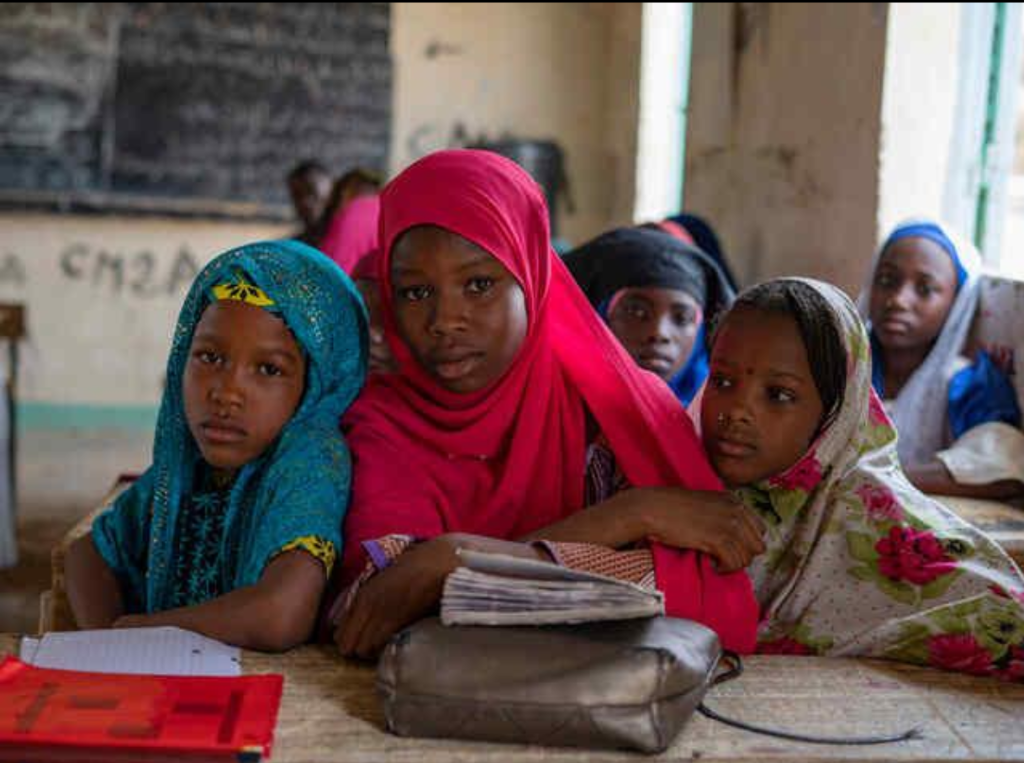
In Diffa, Nigeria’s border region plagued by insurgency, the decision to reopen all public schools to every community marks a critical turning point. This move follows months of controversial restrictions that disproportionately affected vulnerable groups, raising urgent questions about the balance between security imperatives and fundamental human rights.
Rethinking education policy after community-targeted closures
The recent closure of schools and other public services in parts of Diffa and Zinder had far-reaching consequences—extending beyond classroom doors. Local families faced disrupted learning, limited access to clean water due to closed boreholes, and increased barriers to healthcare and civil documentation services. While authorities cited security concerns as justification, the blanket nature of these measures drew widespread criticism for penalizing entire communities without individual accountability.
After years of instability, can inclusive education rebuild trust?
The insurgent threat along the Lake Chad basin has forced countless families from their homes and disrupted social services. Schools, once symbols of hope, became flashpoints for debate: were closures a necessary precaution, or a violation of children’s right to education? The government’s reversal—resuming classes for all children regardless of background—signals a shift, but the true test lies in implementation.
Who bears the cost of exclusion in education?
Children affected by school closures did not choose their community. Yet many spent months cut off from learning, their futures at risk. International law prohibits collective punishment, and the Nigerien state—having ratified the Convention on the Rights of the Child—must ensure no child is denied an education based on identity. The reopening is a step forward, but without safeguards, it risks becoming just another interrupted cycle of exclusion.
Key concerns raised during the restrictions
- Disrupted education: Thousands of students missed weeks or months of schooling, with cumulative learning losses jeopardizing long-term academic progress.
- Public service cutoffs: Closures of boreholes and administrative offices restricted access to essential services, disproportionately affecting remote and marginalized groups.
- Familial hardship: Parents lost income due to school attendance requirements or travel restrictions, deepening socioeconomic vulnerabilities.
Security vs. rights: finding a balanced path
Maintaining safety in high-risk zones like Diffa remains a priority. However, blanket policies that restrict entire groups from accessing schools and services do not align with either national law or international standards. Instead, targeted, legal, and transparent measures—such as enhanced screening or community engagement—are needed to legitimize security actions while preserving dignity and opportunity.
As classes resume, parents and educators alike are watching closely. Will the new approach bring stability and inclusivity, or will bureaucratic ambiguity lead to repeated disruptions? One thing is clear: in Diffa, education is not just about learning—it’s about restoring hope, rebuilding trust, and reaffirming the nation’s commitment to its youngest citizens.
Looking ahead: from policy to practice
For the gains made by school reopenings to last, several steps are essential:
- Guaranteed access: Families must be reassured that enrollment and attendance won’t be hindered by past measures.
- Resource allocation: Teachers, textbooks, and safe infrastructure must be available to all, without hidden exclusions.
- Transparent oversight: Clear explanations for policy decisions strengthen public trust and reduce fear of arbitrary restrictions.
A call for sustainable inclusion in Niger
Diffa’s schools now stand as a microcosm of a larger national challenge: balancing security with social cohesion. Ensuring that every child—regardless of community origin—has access to education isn’t just a legal obligation; it’s a strategic investment in peace, stability, and the future of Niger itself. The words on paper must now translate into action on the ground—before another generation is left behind.