The Sahel region’s ongoing security crisis has left its mark on families, businesses, and entire communities. In Burkina Faso, Mali, and Niger, the ripple effects extend far beyond immediate violence, disrupting livelihoods and eroding trust in institutions. As militants’ attacks intensify, traditional leaders are stepping forward not just as custodians of culture, but as vital agents of stability and economic revival. The newly adopted legal framework for customary chieftaincy offers a pathway to harness this leadership—one that could redefine security, reconciliation, and prosperity across the Liptako-Gourma.
When Security Crises Disrupt Lives: The Human Cost in the Liptako-Gourma
The violence gripping the Sahel has reshaped daily life for millions. Since 2015, Burkina Faso has faced an escalating threat from militant groups, forcing families into displacement, trapping farmers off their land, and cutting off markets that rural communities depend on. Women, once responsible for local commerce, now struggle to feed their children under constant threat. Children, no longer able to walk safely to school, see their futures narrowed by uncertainty. The economic fallout is equally dire: livestock herders face barren pastures and shrinking water sources, while artisans and traders see their shops abandoned or destroyed. The entire region’s social fabric is fraying—families once united by shared heritage and trade now fracture under pressure.
From Crisis to Collaboration: Why Traditional Chiefs Are Becoming Essential Partners
In the face of state institutions stretched thin, traditional leaders are uniquely positioned to mend divides. Their deep familiarity with local allegiances, historical grievances, and community dynamics allows them to detect tensions long before violence erupts. Rather than waiting for disputes to escalate, chiefs mediate land disputes between farmers and herders, negotiate access to water points during dry seasons, and broker peaceful resolutions to communal conflicts rooted in age-old rivalries.
During times of crisis, the risk of collective punishment looms large. When a single act of violence occurs, entire villages or ethnic groups may be blamed. Chiefs act as buffers in such moments, preventing retaliatory violence and preserving fragile coexistence. They work alongside religious leaders, women’s associations, and youth groups to promote shared values: transparency in resource use, respect for agreements, and collective responsibility for peace. Their influence extends beyond borders—facilitating dialogue between villages in Burkina Faso, Mali, and Niger to manage cross-border migration, pastoral routes, and trade disputes before they ignite wider conflicts.
New Legal Recognition: Empowering Chiefs to Strengthen the Nation
January 14, 2026 marked a turning point for Burkina Faso with the adoption of Law No. 002-2026/ALT, formally recognizing the role of traditional chieftaincy in the nation’s governance. This statute doesn’t just honor an ancient institution—it redefines it. By providing a clear legal framework, the law legitimizes chiefs’ authority, protects them from arbitrary challenges, and ensures their participation in national peace-building efforts. It includes safeguards against self-proclaimed leaders and establishes official identification for chiefs, reinforcing their credibility in conflict mediation.
The law’s 43 articles go further: they detail how chiefs can collaborate with state officials without losing their independence. It mandates mutual respect, clear role division, and formal channels for chiefs to advise local and national authorities. This is more than symbolic recognition—it’s an invitation for chiefs to integrate their grassroots influence into national strategies for cohesion, security, and sustainable development.
Ending Isolation: Five Steps to Rebuild the Liptako-Gourma as a Zone of Peace and Growth
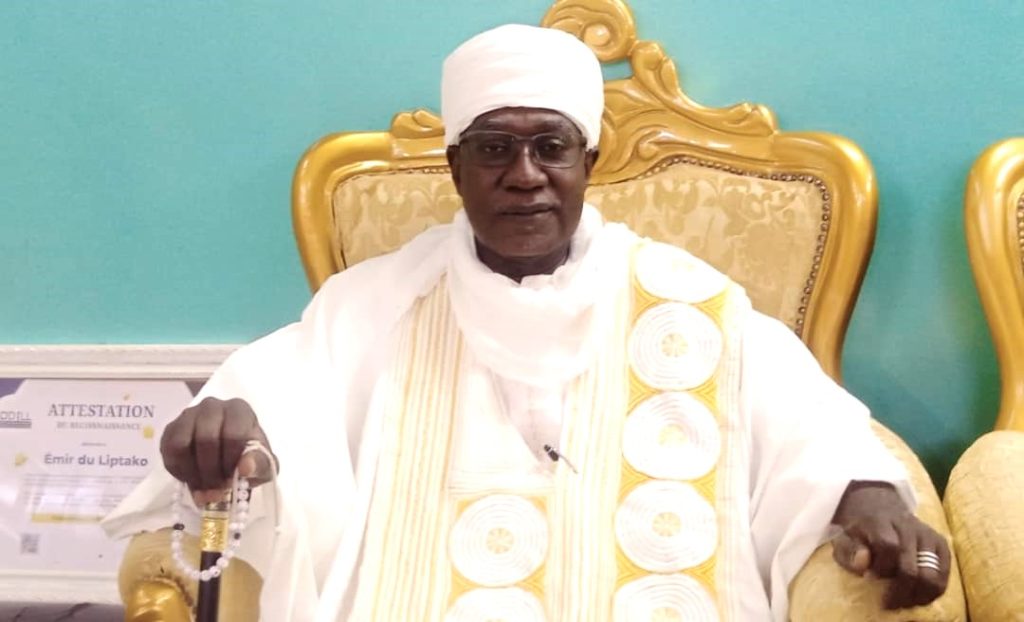
To transform the Liptako-Gourma from a region plagued by fear into one of opportunity, coordinated action is required. The Emir of Liptako outlines a five-pillar strategy:
- Make peace the first priority. Invest in preventive dialogue, early mediation, and structured reconciliation before tensions escalate into bloodshed.
- Strengthen cross-border cooperation. Facilitate dialogue between communities, harmonize pastoral routes, and develop shared conflict prevention mechanisms among Burkina Faso, Mali, and Niger.
- Unlock economic potential for youth and families. Provide vocational training, microfinance, and market access so that young people can build livelihoods at home instead of fleeing.
- Restore trust between people and authorities. Ensure schools, clinics, and courts function again—security means more than patrols; it means restoring dignity and opportunity.
- Treat communities as co-designers of peace. Policies that ignore local knowledge fail. Involve chiefs, elders, women, and youth in shaping solutions that reflect their realities.
Beyond Protection: Chiefs as Architects of a Resilient Future
Traditional leadership is no longer a relic of the past—it’s a strategic asset in the struggle for stability. Chiefs don’t replace state action; they complement it. Their legitimacy comes from centuries of service to communities, making them trusted voices in reconciliation and governance. By formalizing their role through law and integrating them into national peacebuilding, Burkina Faso is not just acknowledging history—it’s investing in a safer, more prosperous future for the Sahel. The challenge now is to translate legal recognition into tangible protection, participation, and progress for every family across the Liptako-Gourma.