
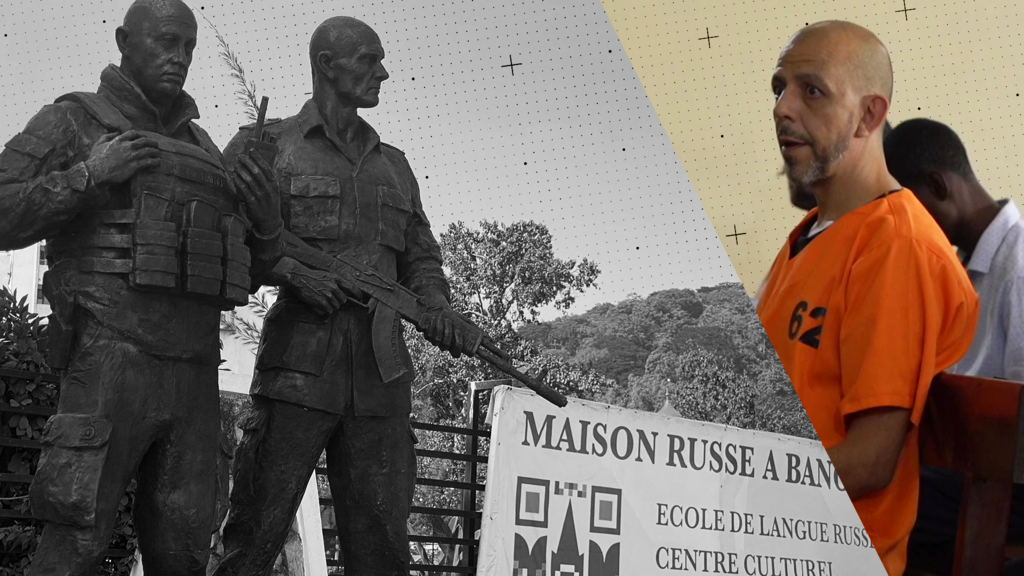
The night of May 26, 2024, fell over Zemio, a town in the Haut-Mbomou region of the Central African Republic, where tensions simmered beneath a fragile peace. In a local bar-restaurant courtyard, a gathering unfolded as two visiting experts shared drinks with their hosts. Joseph Figueira, a Belgian-Portuguese researcher dispatched by the US-based NGO FHI 360 under a USAID-funded project, had spent two days assessing conflict-prevention needs alongside his Ivorian colleague. The pair were preparing to depart for Bangui the next morning, following discussions with regional leaders and community representatives to refine their upcoming initiative.
Within minutes, their plans were derailed. Three operatives from the Wagner Group—a Russian-linked security force operating in the Central African Republic since 2018—stormed the gathering, accompanied by a Central African gendarme acting as an interpreter. The researchers’ credentials and local approvals meant nothing. Figueira was violently seized, his face bloodied, his wrists bound in handcuffs. He was dragged away without retrieving his documents, leaving behind a trail of confusion and fear.
Despite his legitimate status—nine days in the country, meetings with officials, and collaboration with international partners—Figueira’s detention defied all legal norms. Shoved into an aircraft, his ordeal began: a hood obscured his vision, blows rained down, and his nose was broken. The message was clear. The Wagner Group didn’t merely disrupt a humanitarian mission; it targeted a symbol of Western influence, using brute force to assert dominance in a region where geopolitical rivalries play out daily.


More Stories
Niger: Tiani faces fallout from special forces anger after Russian intervention
Crisis in Niger, IMF agreement in Sénégal, and Moroccan elections: Five essential stories
RDC-Israël : un rapprochement aux enjeux multiples