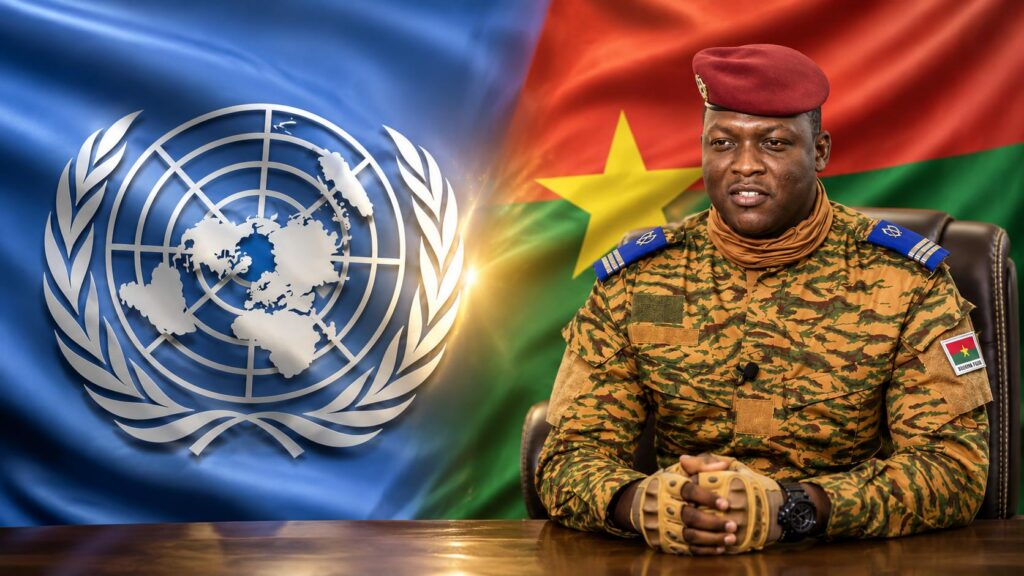
The international isolation gripping Burkina Faso today is not an accident of history—it bears the unmistakable mark of Captain Ibrahim Traoré, whose leadership has steered the nation toward an unprecedented diplomatic deadlock. By expelling the United Nations human rights office, the transitional leader has crossed a threshold, escalating a pattern of governance built on deep-seated suspicion and an outright rejection of accountability.
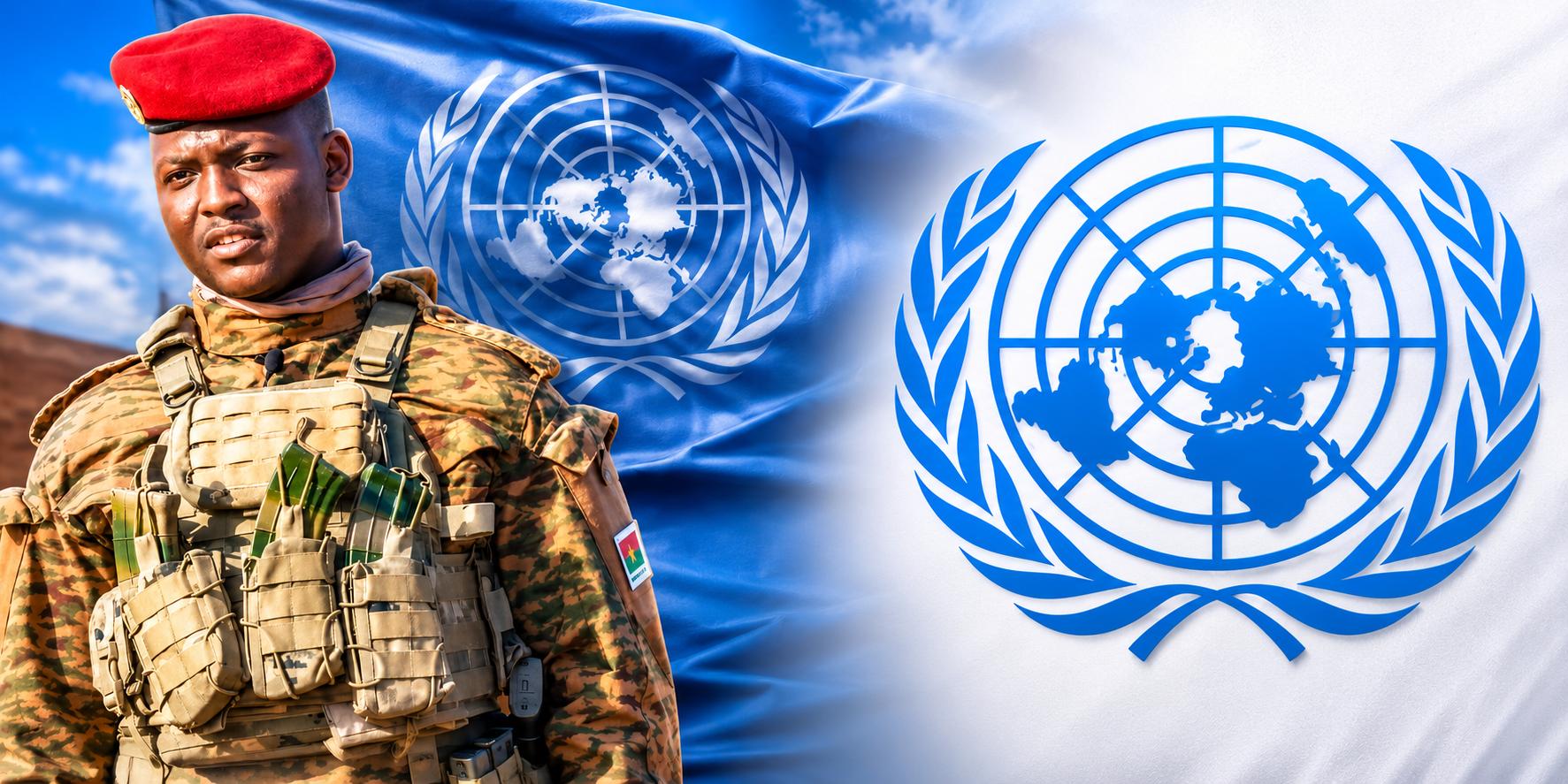
Since seizing power in a coup in September 2022, Captain Traoré has recast Burkina Faso’s legitimate push for sovereignty into a scorched-earth diplomatic strategy. His approach is defined by deliberate exclusion, where every voice of oversight is systematically silenced or removed. This is not governance—it is obstruction.
Breaking ties, silencing dissent: the Traoré blueprint
The expulsion of UN observers follows a clear and calculated trajectory. Each step has been orchestrated to sever Burkina Faso from its historical allies and to crush dissent under the weight of accusation:
- CEDEAO rupture: A sudden and hostile withdrawal from regional cooperation under the Economic Community of West African States, severing decades of economic and security collaboration.
- Media crackdown: Independent journalists, both domestic and foreign, face suspension or legal harassment at the slightest hint of criticism, effectively erasing critical perspectives from public discourse.
- Undermining domestic institutions: The National Human Rights Commission was first targeted, its independence eroded, before the UN office became the next casualty.
By eliminating impartial observers, Traoré seeks to monopolize the narrative of the nation’s conflict. Any documentation of abuses, failures, or civilian suffering is swiftly labeled as treason or foreign interference, ensuring that only a sanitized version of reality remains.
A spiral of self-isolation with consequences
This uncompromising, inward-looking leadership has pushed Burkina Faso into a precarious position. In rejecting engagement with the United Nations and announcing withdrawal from the International Criminal Court, Traoré has turned his back not only on the world—but on the Burkinabè people themselves. Sovereignty cannot be a license to govern beyond scrutiny, beyond law, beyond justice.
Cutting ties with UN expertise in international humanitarian law leaves the army and civilian defense volunteers (VDP) without vital guidance. This strategic blunder removes legal protections for civilians and opens the door to impunity on the ground—a dangerous path that risks turning communities against the state and, ultimately, strengthening terrorist groups.
In his quest to shield Burkina Faso from external influence, Traoré has instead locked the nation into a cycle of isolation and humanitarian decline. True sovereignty is not built on secrecy or defiance of global norms—it is forged through engagement, accountability, and respect for human dignity.