
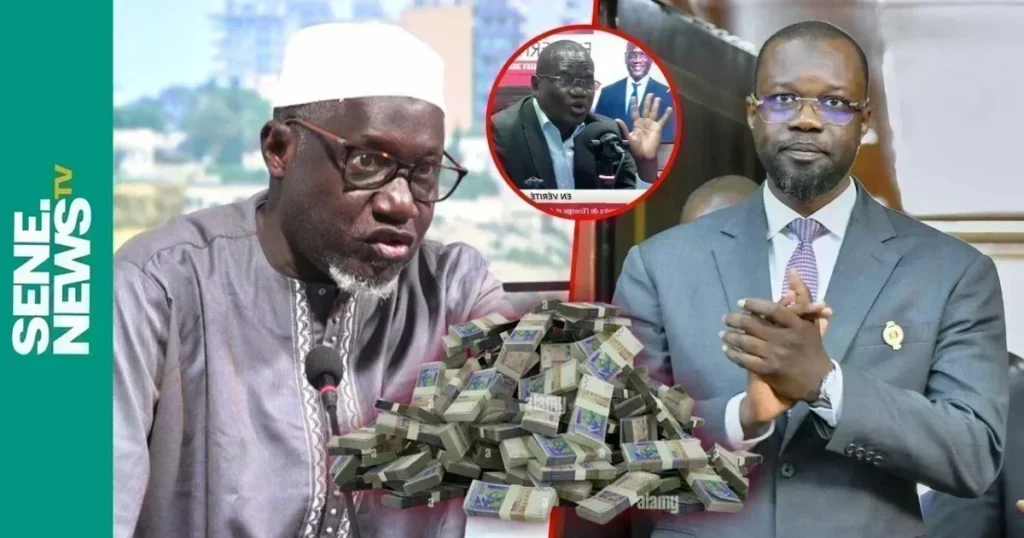
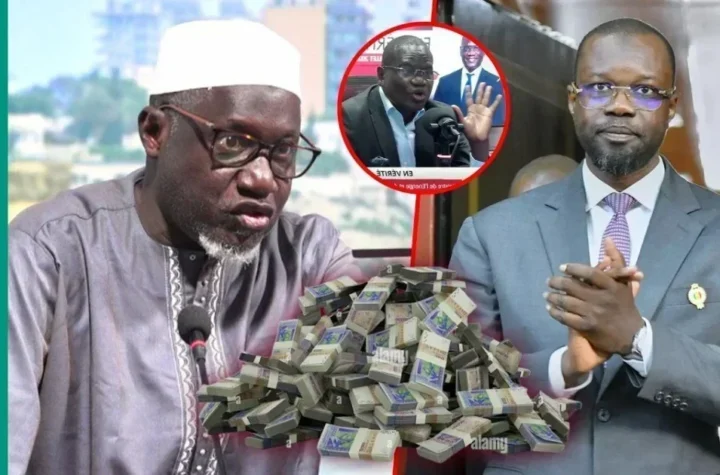
Imam Kanté weighs in on Moundiaye Cissé’s remarks about Ousmane Sonko
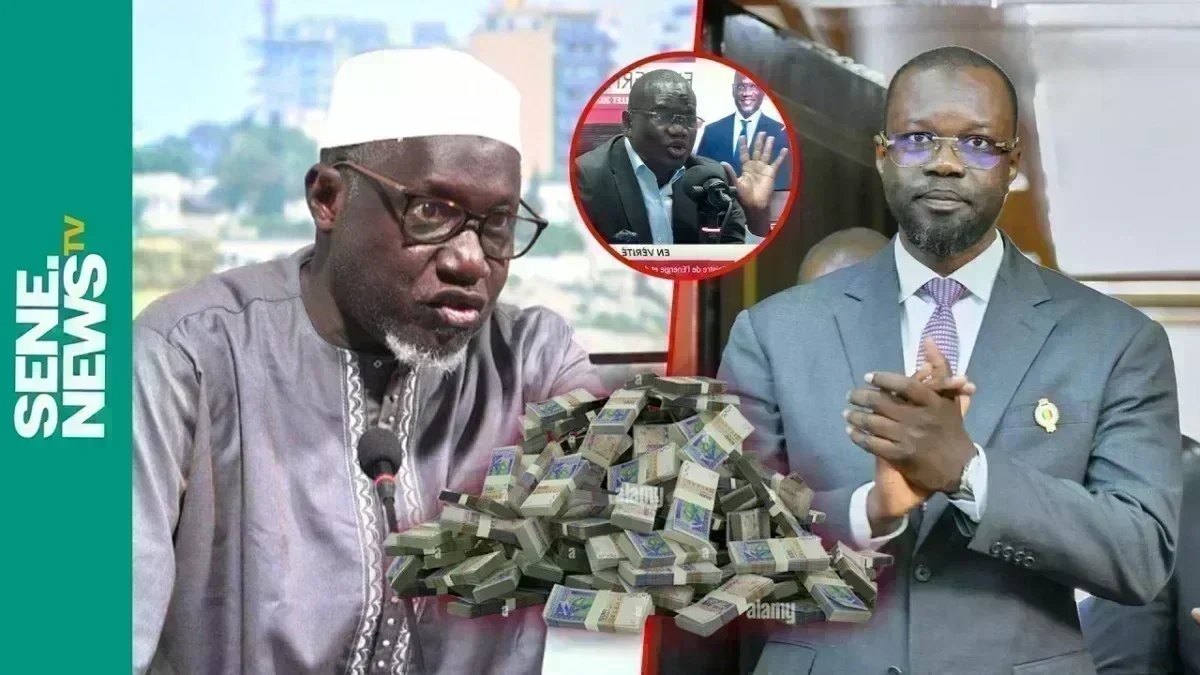
Whether you follow Senegalese politics closely or are merely observing the unfolding debates, Imam Kanté’s reply to Moundiaye Cissé offers critical insights into the conversation surrounding Ousmane Sonko.
In a recent exchange, religious leader Imam Kanté addressed remarks made by commentator Moundiaye Cissé regarding political opposition figure Ousmane Sonko. The response has sparked further discussion among analysts and citizens alike, highlighting the deep divides in national discourse.
Key takeaways from Imam Kanté’s statement
The Imam’s intervention centers on clarifying misconceptions about Sonko’s political positioning and recent actions. Here’s what stands out:
- Political accountability: Kanté emphasizes the need for transparency in governance, urging a clear distinction between personal opinions and public actions.
- National unity: He calls for dialogue over division, stressing that political disagreements should not overshadow collective progress.
- Leadership expectations: Kanté underscores the responsibility of leaders to act in the best interest of citizens, regardless of partisan affiliations.
Why this matters for Senegal’s political landscape
The exchange between Kanté and Cissé reflects broader trends in Senegal’s public sphere, where religious and political voices often intersect. Imam Kanté’s perspective—rooted in faith and civic duty—resonates with a significant portion of the population, influencing perceptions beyond traditional political circles.
As debates intensify, this discussion underscores the role of influential figures in shaping national narratives. For observers and stakeholders alike, understanding these dynamics is essential to grasping the full picture of Senegal’s evolving political climate.
More Stories
Secure digital tools for presidential remote work in Cameroon
Senegal politics: imam kanté’s sharp response to moundiaye cissé on ousmane sonko
Health concerns and free speech debates around Paul Biya