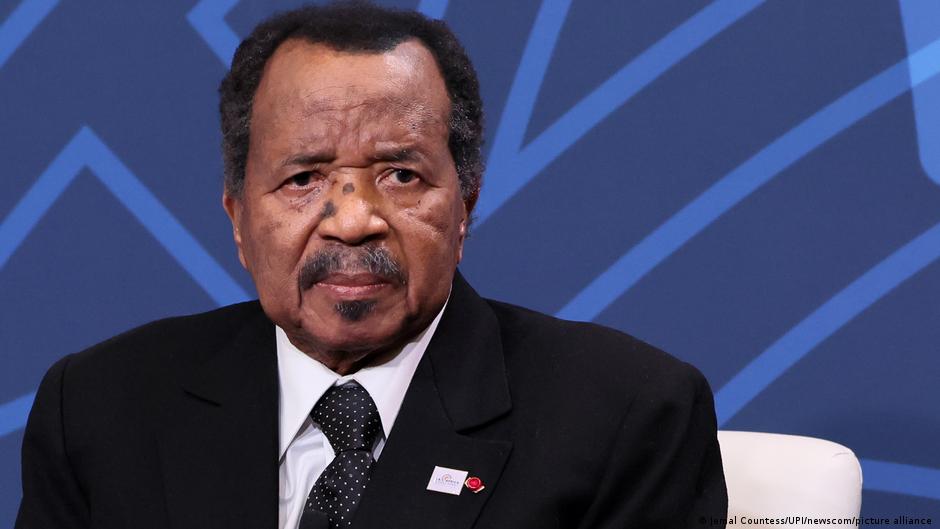
The recent six-month prison sentence handed to internet user Patrick Mengue for allegedly insulting President Paul Biya has reignited fierce discussions on the boundaries of freedom of expression in Cameroon.
The legal basis for Mengue’s conviction stems from Cameroon’s Penal Code, which criminalizes contempt of the Head of State, defamation, insults, and attacks on the honor of individuals or institutions—provisions frequently criticized by human rights advocates.
“This isn’t a matter of interpretation—it’s a strict application of the law,” asserts Maître Batang Kolon, a practicing barrister in Cameroon. He adds, “The young man wrote a prayer, yet now it’s deemed forbidden. The situation is deeply concerning.”
Mengue’s sentencing coincides with ongoing speculation over President Biya’s health, as he continues an extended stay abroad without any official updates on his condition.
Past cases fuel ongoing controversies
The case of Patrick Mengue is not isolated. In 2017, writer and academic Patrice Nganang was arrested for comments made regarding the Anglophone crisis and charged with contempt of the President. In 2019, activist Sébastien Ebala was detained following multiple critical posts about Paul Biya. Even further back, in 2010, journalist Jean Bosco Talla received a suspended one-year prison sentence and a fine exceeding 3.2 million CFA francs for publishing an article about rumors surrounding the Head of State.
Freedom of expression under scrutiny
Human rights organizations argue that these cases reflect a pattern of using criminal proceedings to silence dissenting voices. Cyrille Rolande Bechon, President of the NGO Les Nouveaux Droits de l’Homme, emphasizes, “Like Patrick Mengue, many others are behind bars simply for expressing their political views.” She condemns the ruling as “unjust and deeply regrettable.”
Government officials, however, maintain that such prosecutions are necessary to uphold institutional integrity, personal honor, and public order. Yet, the condemnation of Mengue has transcended his individual case, sparking broader debates about the limits of free speech in Cameroon.

More Stories
Senegal’s special funds: the real cost of a control mechanism still out of reach
Sénat du Bénin : la chambre haute tient sa séance inaugurale à Cotonou
Waly Diouf Bodian responds to Mary Teuw Niang: ‘we do not respect those who do not respect Ousmane Sonko’