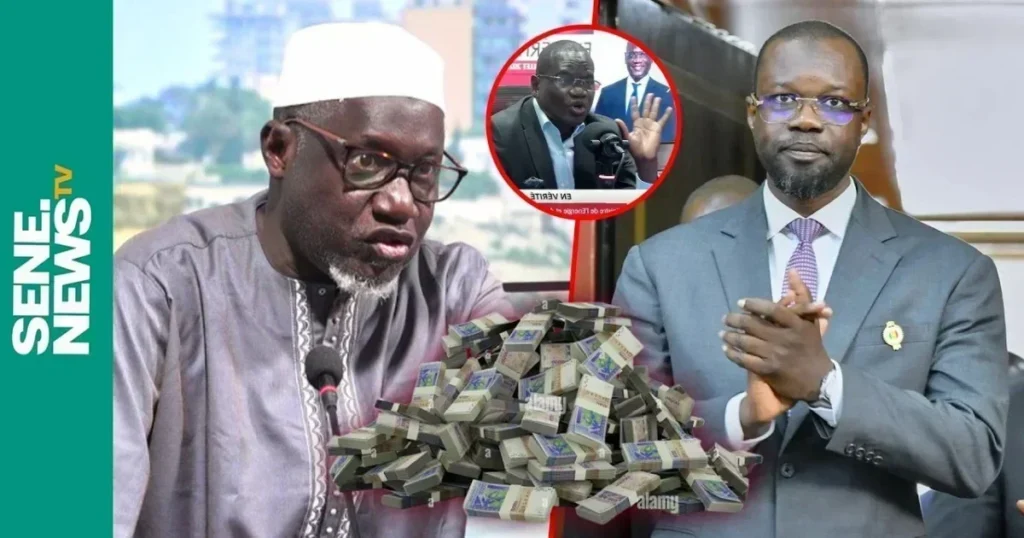
Whether you’re deeply engaged in Senegalese politics or simply following the nation’s evolving discourse, the recent remarks from Imam Kanté shed crucial light on a pressing debate.
Imam Kanté dismisses Moundiaye Cissé’s claims about Ousmane Sonko
The conversation around Ousmane Sonko’s political trajectory has intensified after Moundiaye Cissé raised concerns regarding his leadership and public statements. Imam Kanté, a prominent voice in Senegalese religious and political circles, took to the public sphere to directly address these assertions, offering a robust counterpoint to the arguments presented.
Key points of the debate
The exchange centers on several critical issues:
- Leadership legitimacy: Imam Kanté refutes claims questioning Ousmane Sonko’s political standing, emphasizing the importance of unity among opposition figures.
- Policy direction: He highlights Sonko’s proposed reforms as a necessary evolution for Senegal’s governance, countering criticisms of his economic proposals.
- Public trust: The Imam underscores the need for transparent communication between leaders and citizens, a theme that has dominated recent political discourse.
Why this response matters
Imam Kanté’s intervention arrives at a pivotal moment, as Senegal navigates complex political challenges. His stance not only clarifies his position but also adds depth to the ongoing dialogue about the country’s future. Observers suggest that such exchanges could shape public opinion and influence broader political strategies.
The debate reflects deeper tensions within Senegal’s political landscape, where religious leaders increasingly play a role in shaping national conversations. Imam Kanté’s response serves as a reminder of the intersection between faith, politics, and public accountability in contemporary Senegal.


More Stories
Can Baudelaire Ndong Ella turn Gabon’s Washington embassy into an economic and security lever?
Senegal’s special funds: the real cost of a control mechanism still out of reach
Sénat du Bénin : la chambre haute tient sa séance inaugurale à Cotonou