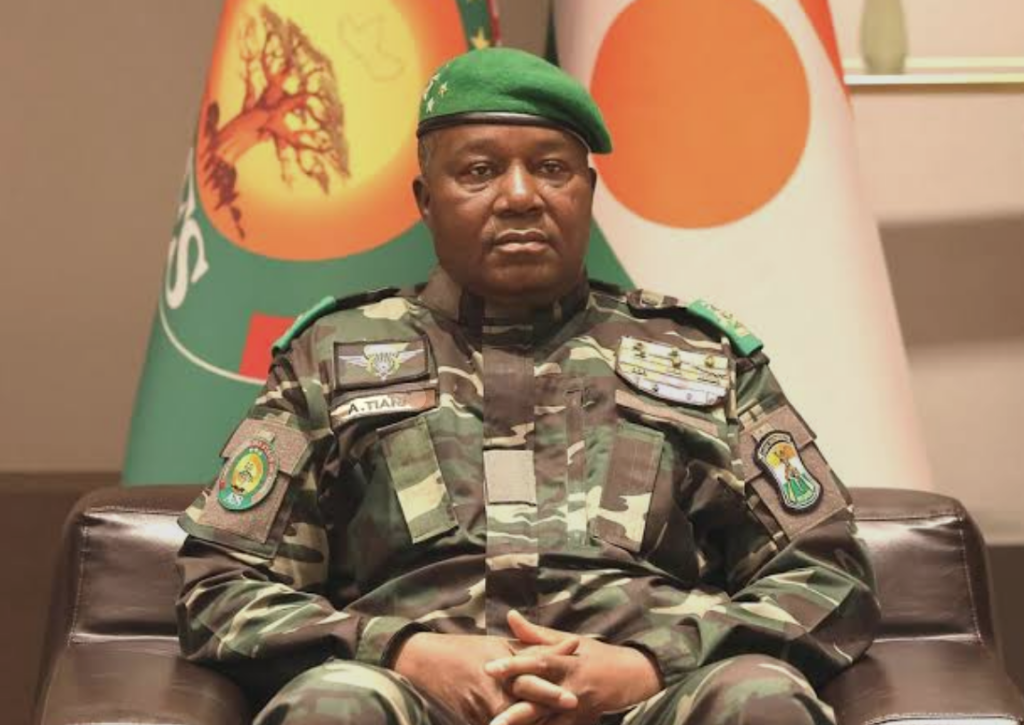
The West African Development Bank (BOAD) has signed two financing agreements worth a total of 60.6 billion West African CFA francs—approximately $105 million—with Niger, betting on critical infrastructure projects in a country facing deep-rooted challenges. The agreements, formalized in Niamey in the presence of Prime Minister Ali Mahaman Lamine Zeine and BOAD President Serge Ekue, target two vital sectors: agriculture and energy.
Allocating resources to agriculture and electricity
The financial package includes a 30 billion CFA franc loan to Niger’s National Office for Hydro-Agricultural Development (ONAHA) to modernize irrigation systems and expand arable land along the Niger River and other cultivable basins. The goal is to boost cereal yields and reduce reliance on emergency food imports, a long-standing vulnerability for Niger’s agricultural sector.
The second part of the package, valued at 30.6 billion CFA francs, is directed to the Nigerien Electricity Company (NEC). This loan will fund the construction of an additional 23-megawatt power plant to ease pressure on the national grid and reduce frequent blackouts. These projects are seen as essential to supporting the country’s emerging industrial sector, powering public services, and improving living conditions in urban and peri-urban areas.
Security threats and logistical hurdles
While the financial commitment is substantial, its success hinges on overcoming significant obstacles. Niger continues to grapple with the persistent threat of armed groups, particularly in the Tillabéri region near the borders with Burkina Faso and Mali, as well as in the Diffa area near Lake Chad. This insecurity raises serious concerns about the feasibility of deploying heavy irrigation equipment and securing construction sites for power infrastructure in rural zones.
Logistical challenges extend beyond security. A substantial portion of the allocated funds may need to be redirected to protect construction sites and technical teams, diverting resources from their intended use. Additionally, maintaining new hydro-agricultural equipment in areas where communities are displaced by violence adds another layer of complexity to ensuring the project’s long-term viability.
Governance risks: corruption and lack of oversight
The greatest threat to these investments, however, may lie not on the ground but within the corridors of power. Over recent years, financial watchdogs have repeatedly warned about systemic corruption risks in Niger’s public sector. Large-scale tenders for irrigation equipment and energy contracts are often awarded in a climate of institutional opacity, raising doubts about fair competition and the transparency of procurement processes. Without robust independent oversight mechanisms, there is a real risk that funds could be misused, diverted for personal enrichment, or funneled into political patronage rather than reaching their intended beneficiaries.
The lack of accountability extends beyond financial management. Niger’s civic space has shrunk dramatically, with independent media, civil society organizations, and trade unions facing increasing restrictions. Investigative journalists and whistleblowers who might expose mismanagement or inflated costs operate under constant threat of retaliation or censorship. Opposition groups and anti-corruption NGOs also struggle to operate freely, limiting their ability to demand accountability or audit project execution. These missing safeguards leave decision-makers with little external pressure to ensure funds are used responsibly.
Can BOAD’s investment deliver for Niger’s people?
The West African Development Bank’s decision to proceed with these loans underscores its commitment to Niger’s socio-economic development, even amid political turbulence and security threats. Yet the true measure of success will not be the number of megawatts added or hectares irrigated, but whether these projects can be implemented with integrity, transparency, and tangible benefits for the population.
For BOAD and Nigerien authorities, the challenge is clear: to ensure every franc of these loans translates into durable infrastructure, economic resilience, and improved living standards—without being absorbed by corruption or undermined by ongoing instability. Without strong accountability, public trust in such financial partnerships will remain fragile, and the risk of wasted resources will persist.



More Stories
Mali’s strategic pivot: why Bamako is quietly welcoming Washington back
Mali’s drone war: a turning point in civilian deaths and accountability
Nigeria’s election security: a decisive shift to ensure credible polls